










Products
‹
›
‹
›
Ethylene Glycol Monobutyl Ether
High Solvency: Ethylene glycol butyl ether possesses high solvency and excellent solvent properties, effectively dissolving a wide range of resins such as nitrocellulose, natural resins, ethyl cellulose, alkyd resins, phenolic resins, and epoxy resins.
Excellent Hydrophilic-Lipophilic Balance: The molecule contains both a hydrophilic hydroxyl group and a lipophilic butyl group, resulting in an excellent hydrophilic-lipophilic balance that allows it to be miscible with both water and most organic solvents.
Moderate Evaporation Rate: With moderate volatility and a high boiling point (171.2°C), it ensures good leveling and film-forming properties during the drying process, preventing coating defects caused by excessively rapid evaporation.
Good Coupling Properties: Ethylene glycol butyl ether exhibits excellent coupling capabilities, enabling water-insoluble substances to disperse uniformly within aqueous systems, making it highly valuable in the formulation of cleaners and coatings.
Product Description
Ethylene Glycol Monobutyl Ether Product Description (CAS# 111-76-2)
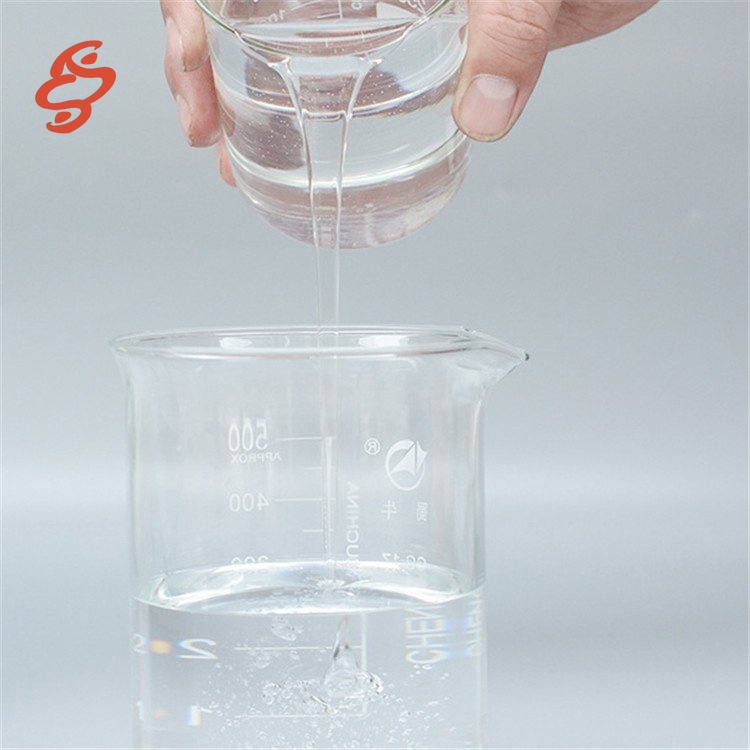
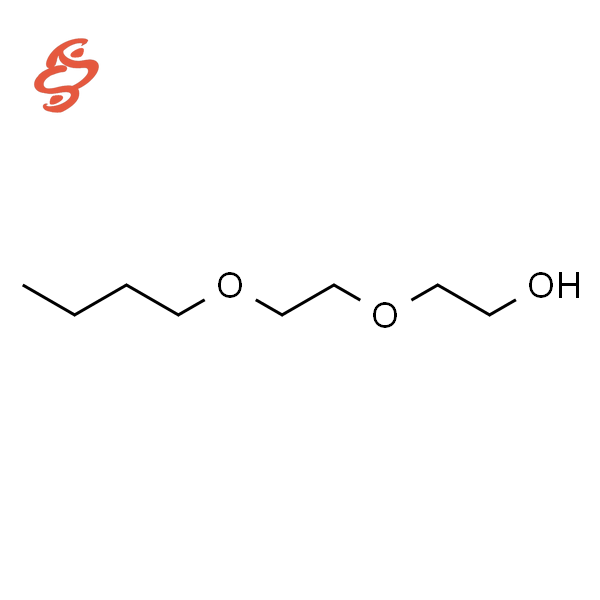
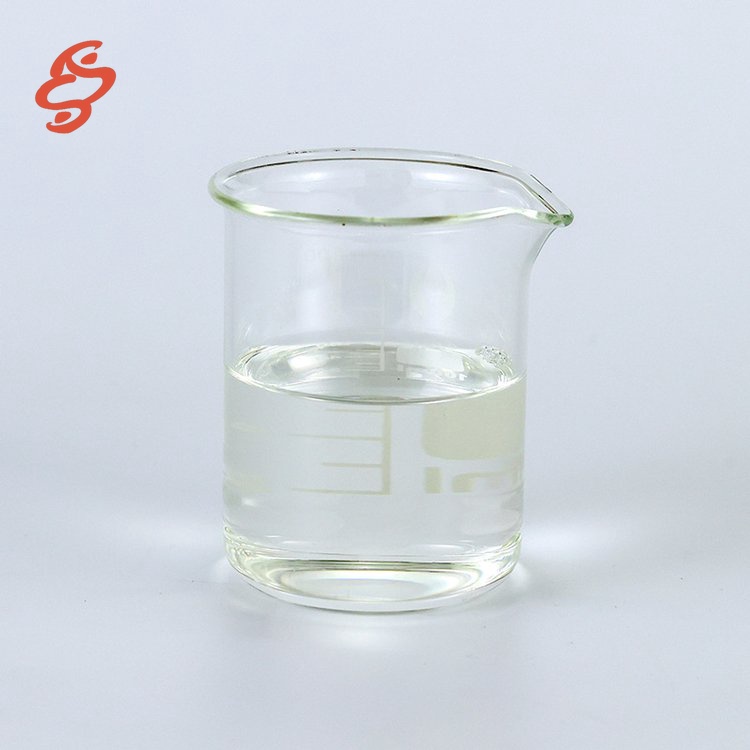
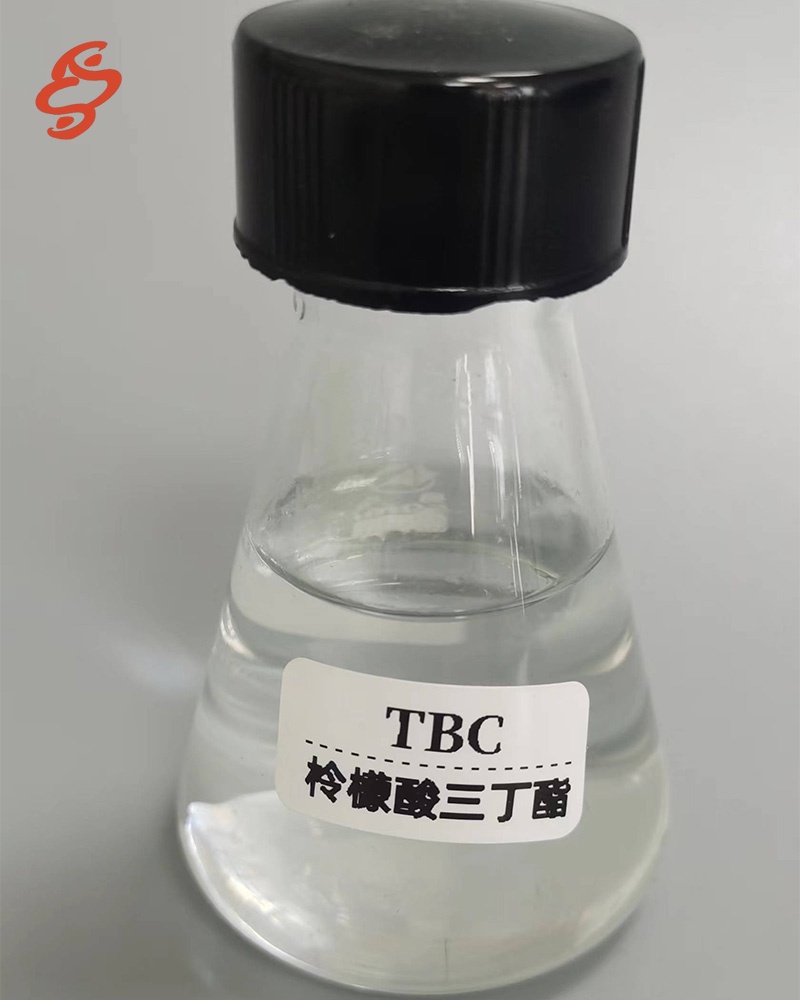
Ethylene glycol monobutyl ether (also known as butyl cellosolve) is chemically named 2-butoxyethanol; its molecular formula is C₆H₁₄O₂ and its molecular weight is 118.17. At room temperature, it is a colorless, transparent liquid with a mild ether-like odor. Its properties include a melting point of -70 to -75°C, a boiling point of 171.2°C, a flash point of 67.5°C (closed cup), and a density of 0.902 (20/20°C). Regarding solubility, it is soluble in water (dissolving in approximately 20 times its volume of water), miscible with ethers, alcohols, benzene, acetone, heptane, and many other organic solvents, and soluble in mineral oil. Industrially, it is primarily produced through the addition reaction of ethylene oxide and n-butanol. Ethylene glycol monobutyl ether offers high solvency and excellent solvent performance; it features moderate volatility, a high boiling point, and a high dilution ratio with petroleum hydrocarbons. These unique properties make it highly valuable for applications across various fields, including coatings, inks, cleaning agents, pesticides, and organic synthesis.
Applications of Ethylene Glycol Butyl Ether (CAS# 111-76-2)
Ethylene glycol butyl ether is an important organic ether solvent widely used across various industries, including coatings, inks, cleaning products, pesticides, and organic synthesis.
In the coatings and paint industry, it serves primarily as a solvent for nitrocellulose, spray paints, quick-drying paints, varnishes, enamels, and paint strippers; it is capable of dissolving nitrocellulose, natural resins, and ethyl cellulose. In the ink industry, it is utilized in ink manufacturing due to its high solvency and excellent solvent properties. In the cleaning products sector, it is used to formulate metal detergents, glass cleaners, and similar products. In the pesticide industry, it functions as a dispersing agent. In the adhesives industry, it serves as a diluent. In organic synthesis, it acts as an intermediate. Additionally, ethylene glycol butyl ether is used as a fiber wetting agent, a resin plasticizer, and a reagent for the determination of iron and molybdenum.
Product Information
Chemical Properties
Safety Information
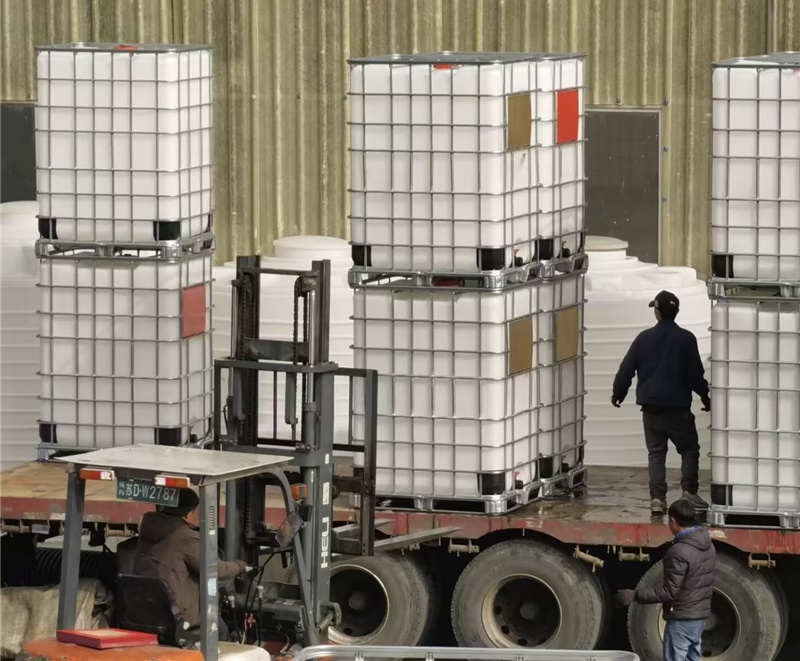
Factory Showcase




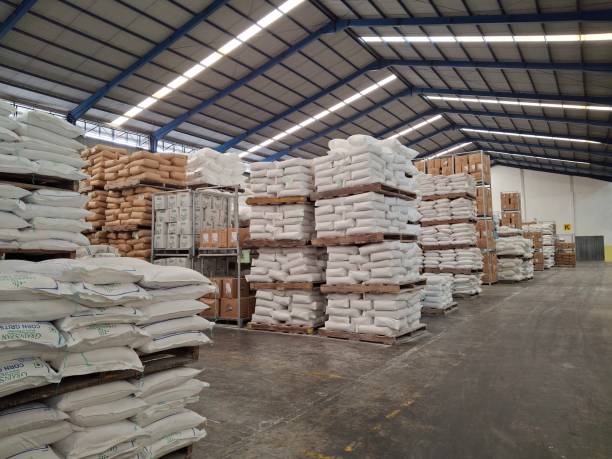
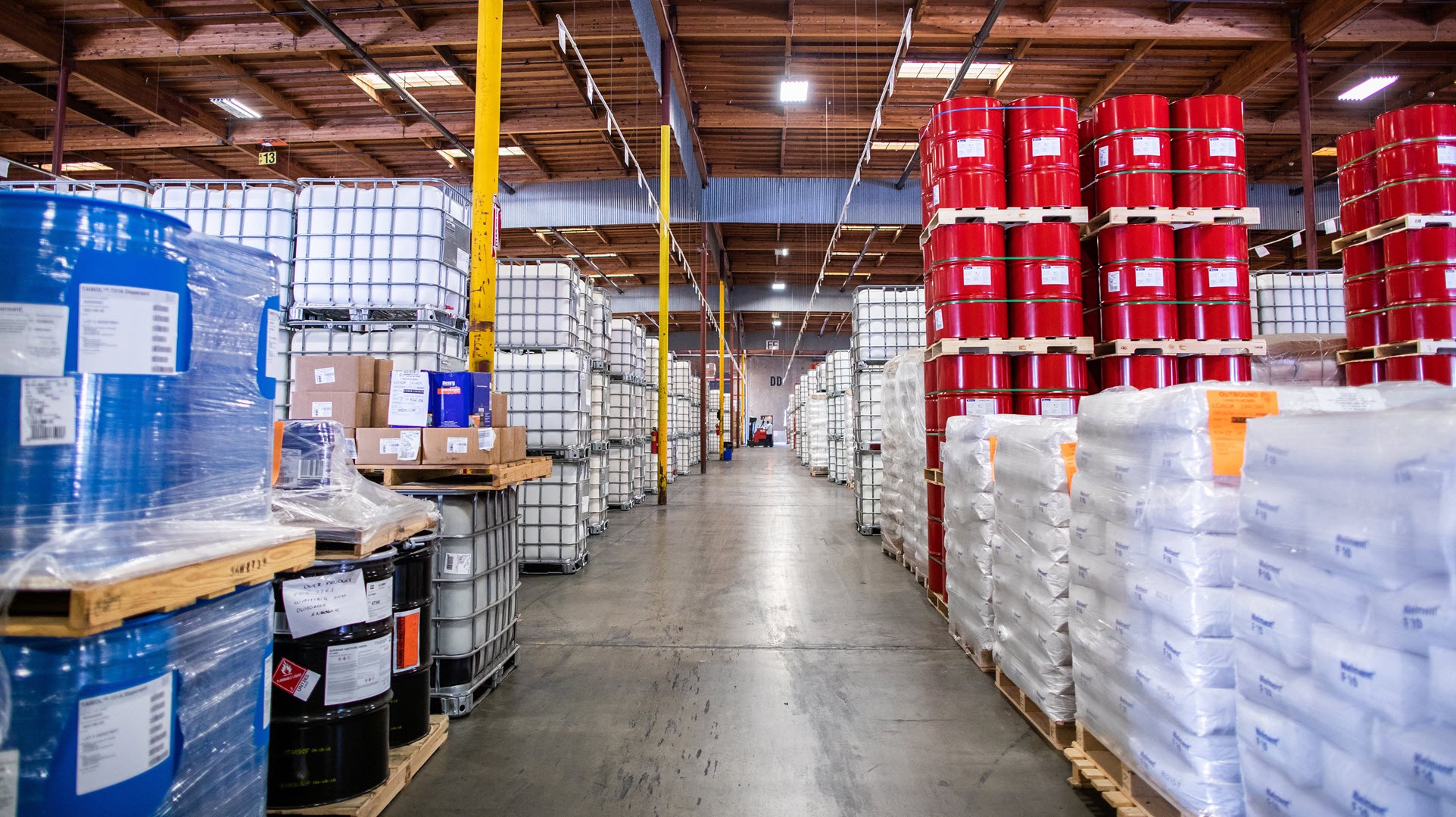
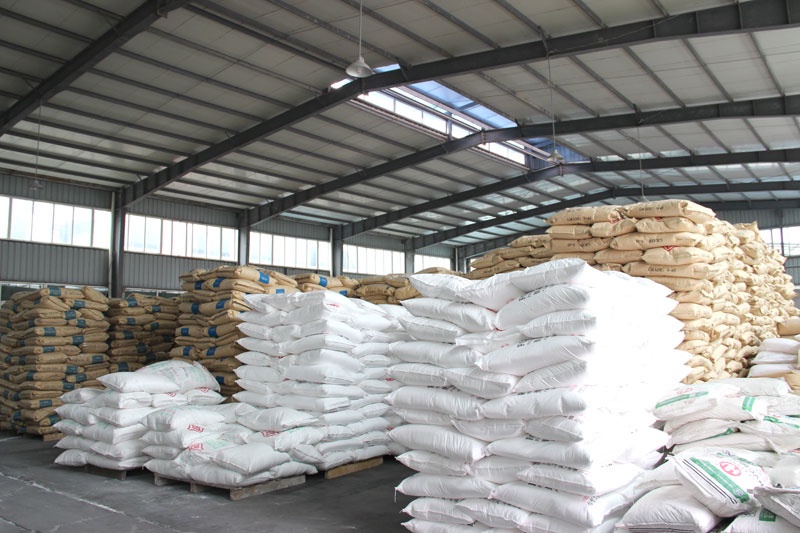
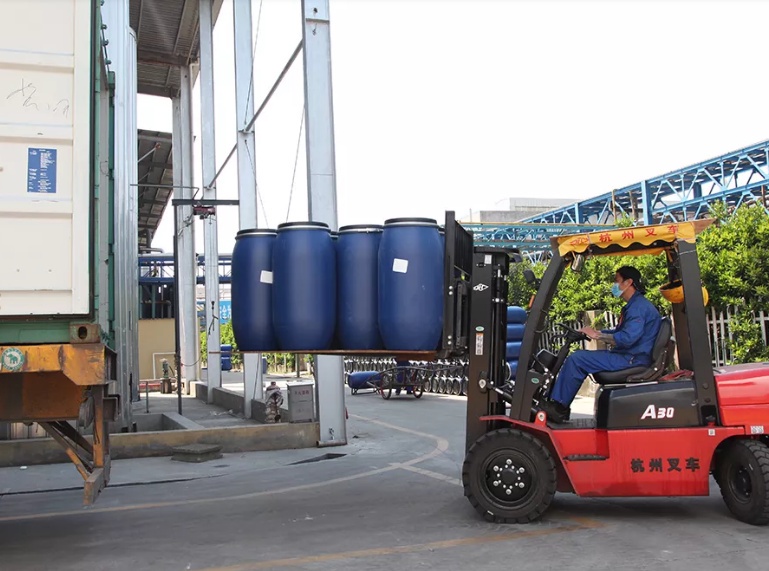
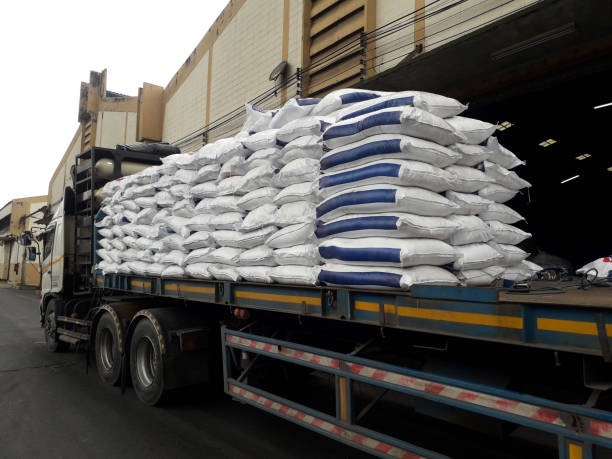
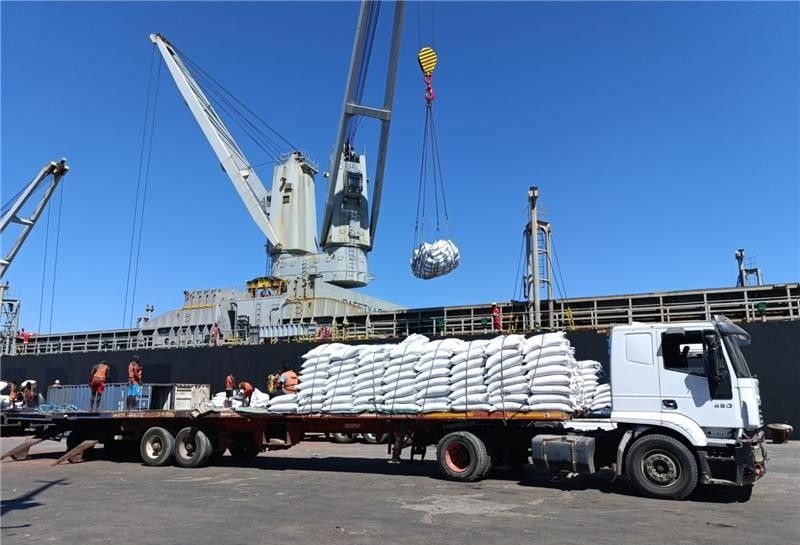
Loading and Transport




Product Inquiry
Product Information
 Sodium Alcohol Ether Sulfate
Learn More
 Ethylene Glycol Monobutyl Ether
Learn More
 Polyacrylate
Learn More
 Tributyl Citrate
Learn More
 Zinc Octadecanoate
Learn More
 Mineral oil CAS#8042-47-5
Learn More
 Hydroxyethyl Cellulose CAS#9004-62-0
Learn More
 Benzisotriazole CAS#95-14-7
Learn More
 Basic Red 51 CAS#12270-25-6
Learn More
 Lead monoxide CAS#1317-36-8
Learn More
Send Us Your Inquiry Today

Luxi Chemical is a professional chemical product supplier with ample stock of all chemical categories and excellent quality, welcome your purchase inquiry.