










Products
‹
›
‹
›
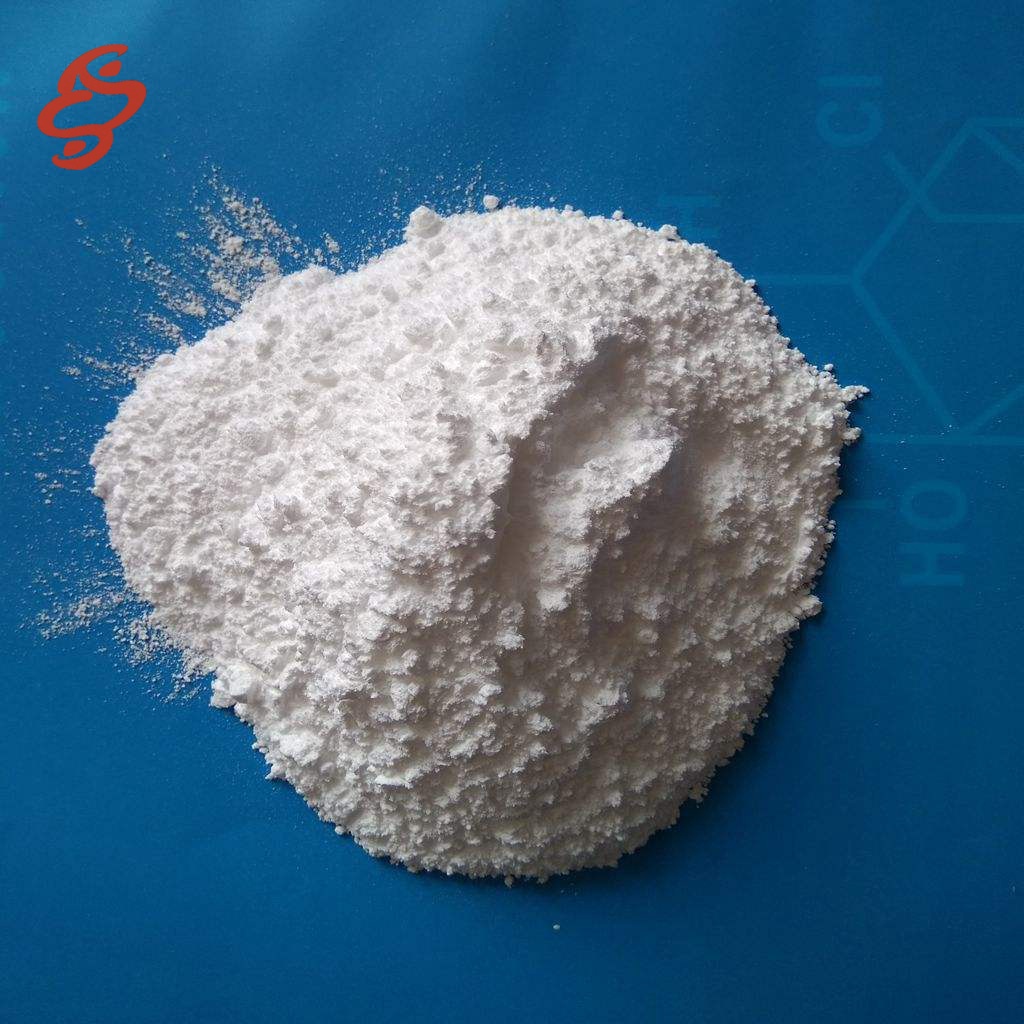
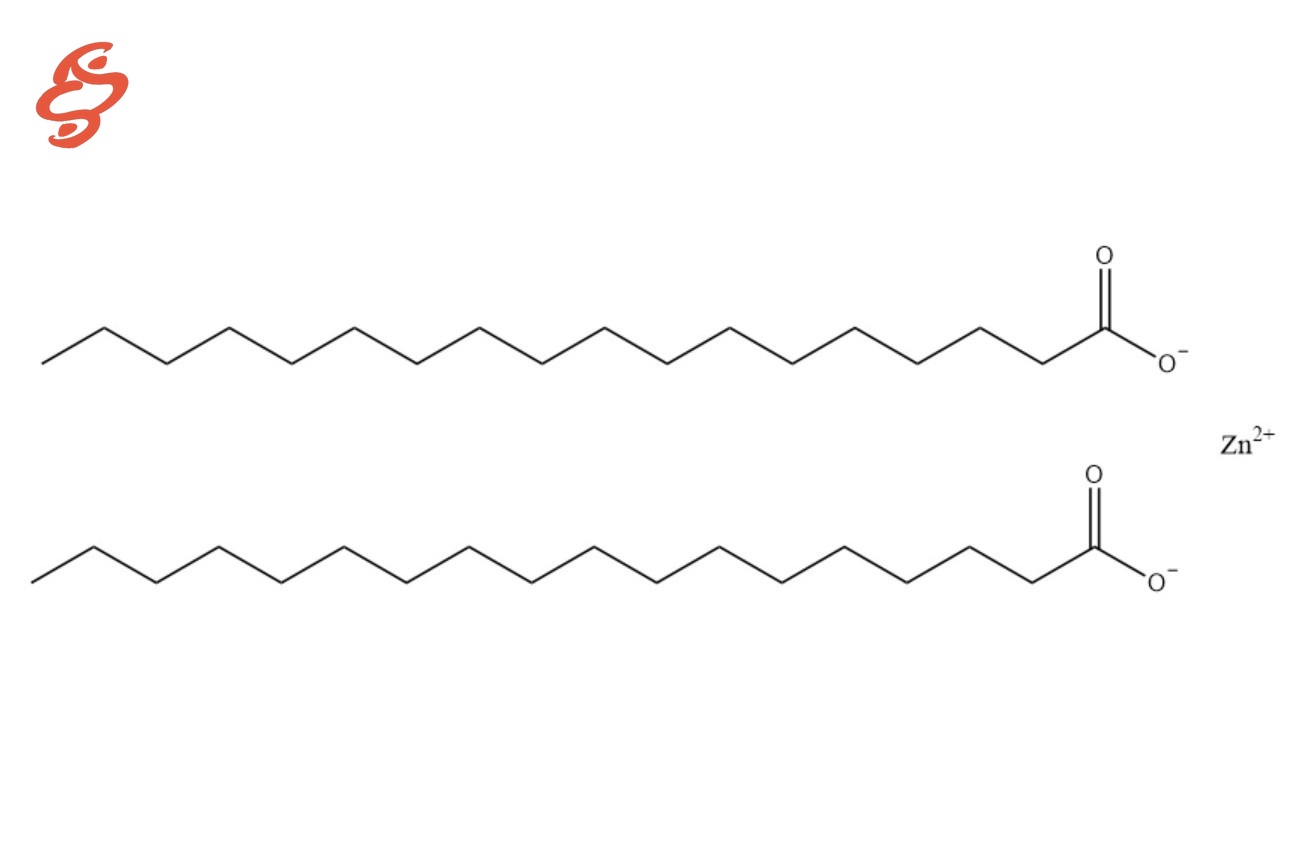
Zinc Octadecanoate
Excellent Lubrication and Mold-Release Properties: Zinc stearate offers outstanding lubrication and mold-release capabilities; in the processing of plastics, rubber, and powder metallurgy components, it effectively prevents materials from adhering to molds, thereby enhancing processing efficiency and improving the surface quality of finished products.
Good Thermal Stability: Acting as a thermal stabilizer for PVC, zinc stearate effectively inhibits thermal degradation during processing; it demonstrates a significant synergistic stabilizing effect when used in combination with calcium stearate or barium stearate.
Non-toxic and Safe: Zinc stearate is non-toxic and safe for use in cosmetics, pharmaceuticals, and food-contact materials. It is highly safe for use as a tablet lubricant in pharmaceutical formulations.
Excellent Hydrophobicity and Anti-caking Properties: Zinc stearate possesses good hydrophobic properties, which improve powder flowability and prevent material caking, making it widely applicable in cosmetics and powder coatings.
Product Description
Zinc Stearate Product Description (CAS# 557-05-1)
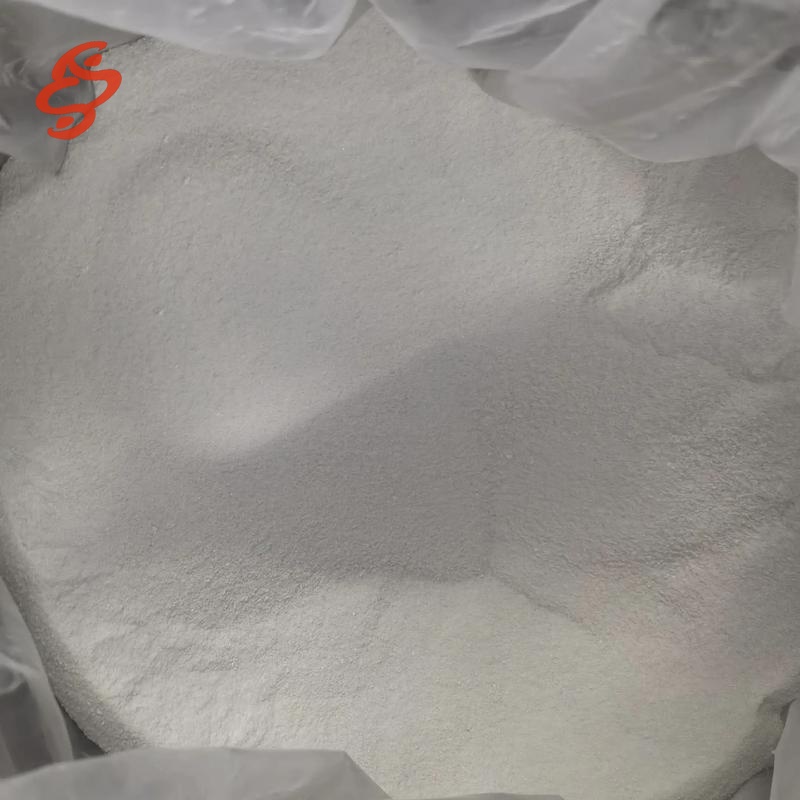
Zinc stearate (chemical name: zinc octadecanoate) has the molecular formula C₃₆H₇₀O₄Zn and a molecular weight of 632.33. At room temperature, it appears as a white solid powder with a slight fatty odor and a smooth, greasy feel. Its melting point ranges from 120°C to 130°C. Regarding solubility, zinc stearate is insoluble in water, ethanol, and diethyl ether, but soluble in organic solvents such as benzene, hot ethanol, and turpentine. It decomposes in the presence of dilute acids to yield stearic acid and the corresponding zinc salt. Industrially, zinc stearate is primarily produced through the reaction of stearic acid with zinc oxide under heating and in the presence of a catalyst. As an important metal soap compound, zinc stearate offers excellent lubricity, thermal stability, and non-toxicity; these unique properties make it highly valuable for applications across various sectors, including plastics, rubber, coatings, cosmetics, and pharmaceuticals.
Applications of Zinc Stearate (CAS# 557-05-1)
Zinc stearate is a vital, multifunctional additive widely used across various industries, including plastics, rubber, coatings, cosmetics, and pharmaceuticals.
In the plastics industry, zinc stearate serves as a non-toxic heat stabilizer for polyvinyl chloride (PVC); when used in combination with calcium stearate or barium stearate, it exhibits a synergistic effect that effectively enhances the light and heat stability of PVC products (typically at a dosage of less than one part per hundred resin). It also functions as an acid scavenger, lubricant, and mold release agent for polyolefin materials, offering good thermal stability, low odor, and resistance to plate-out. In the rubber industry, it acts as a softening lubricant and mold release agent for rubber products, as well as an activator for rubber vulcanization accelerators. In the coatings and paint industry, it is used as a flatting agent for paints and enamels. In the cosmetics industry, it serves as a lubricant and thickening agent, helping to improve product texture. In the pharmaceutical industry, it is used as a lubricant in the manufacture of tablets and capsules, at concentrations of up to 1.5% w/w. Additionally, zinc stearate is used as a polishing agent for textiles, a mold release agent in powder metallurgy, and a raw material for pencil lead production.
Product Information
Chemical Properties
Safety Information
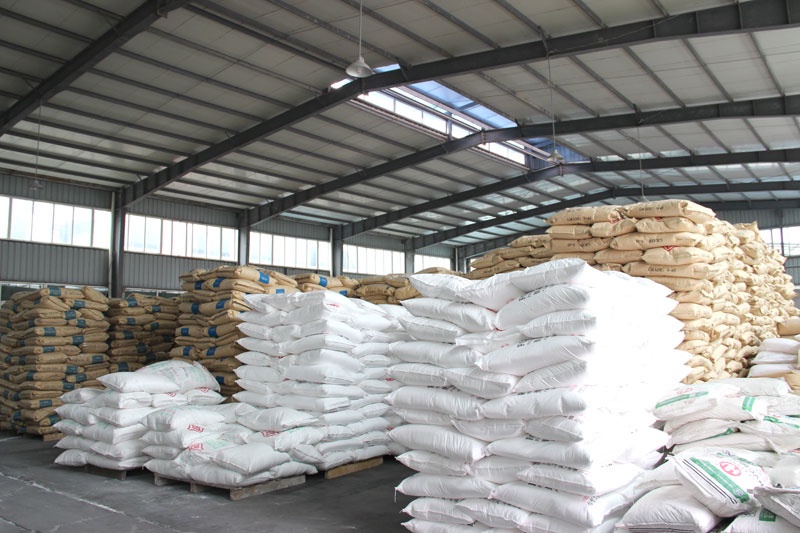
Factory Showcase
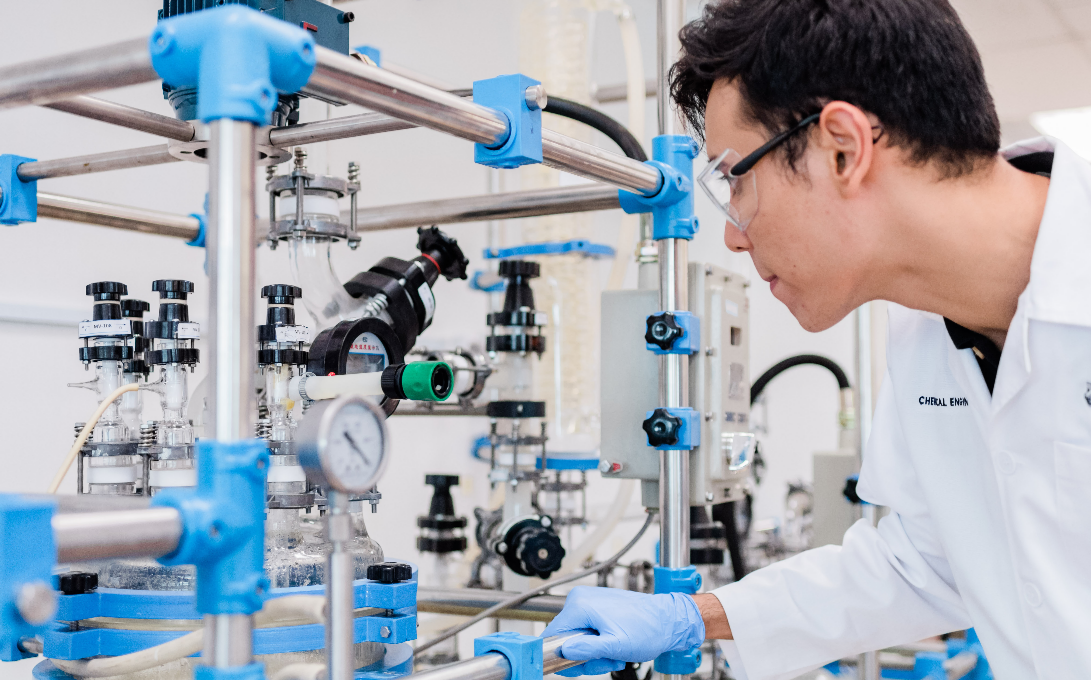



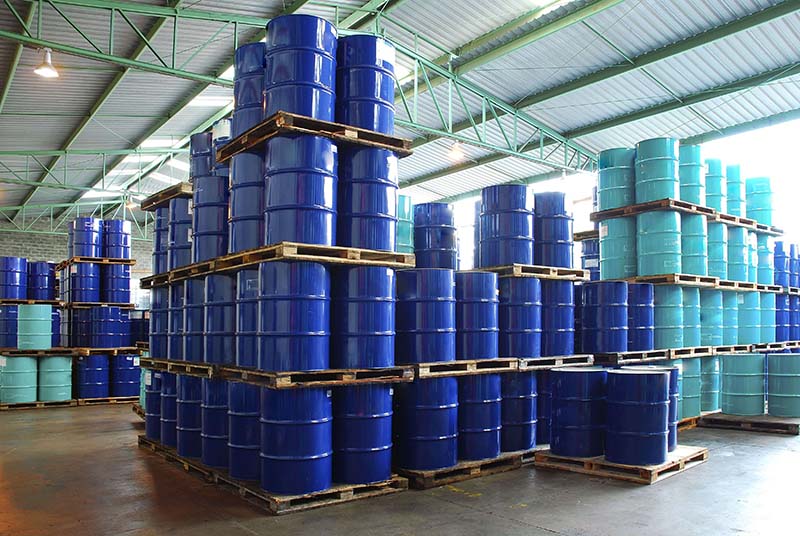
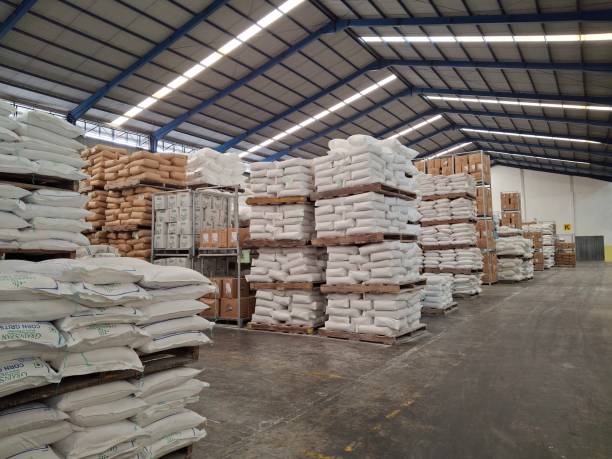
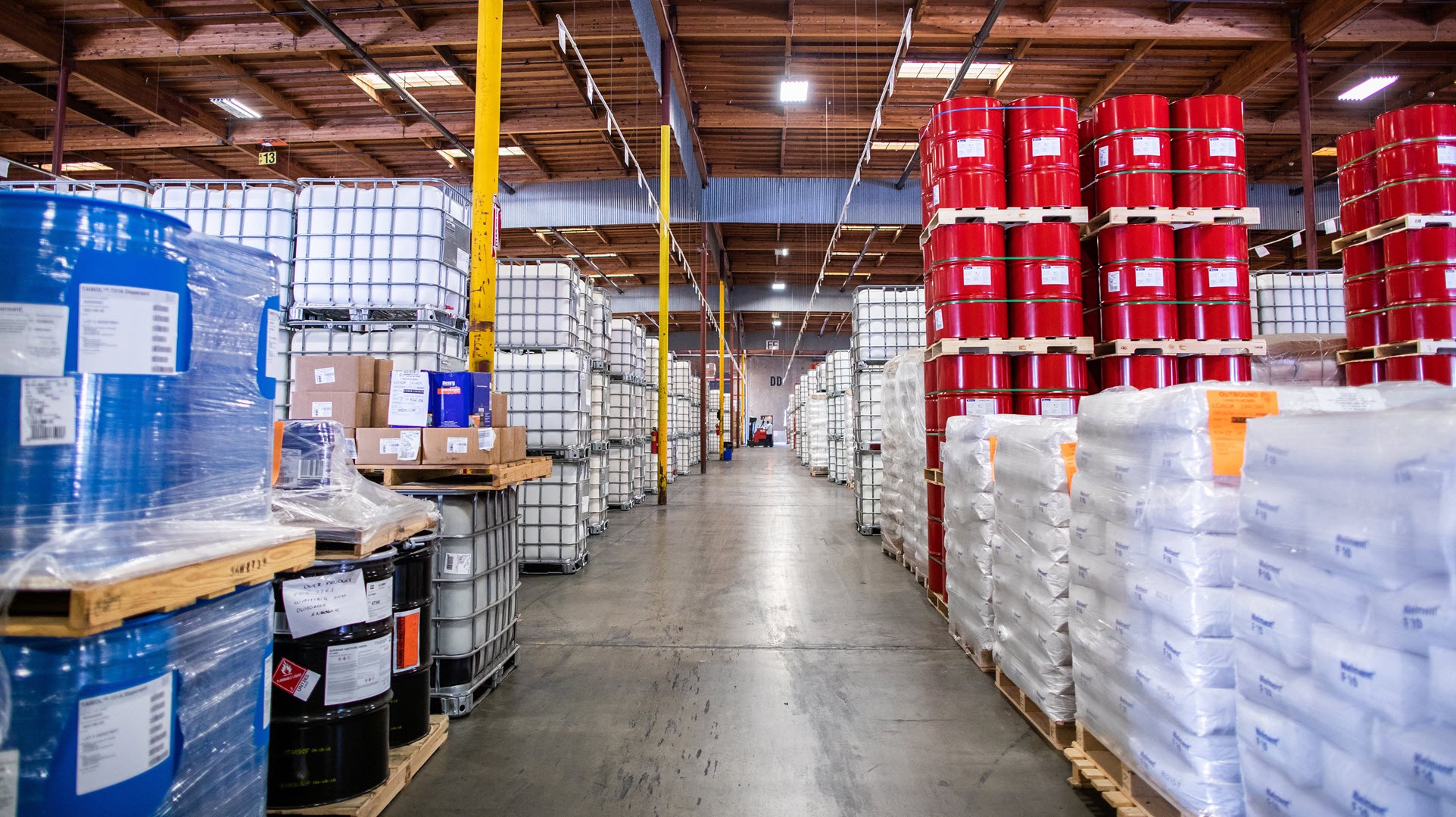
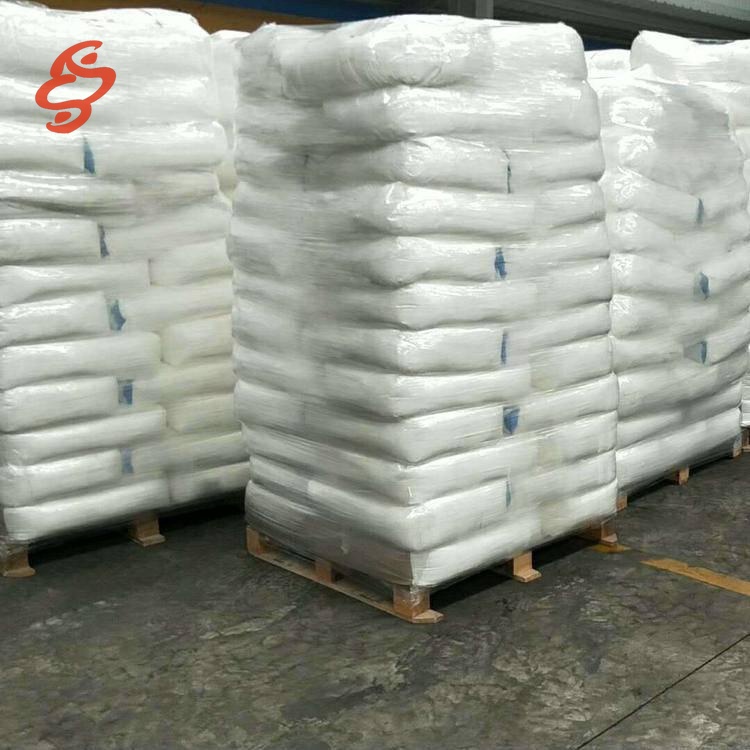
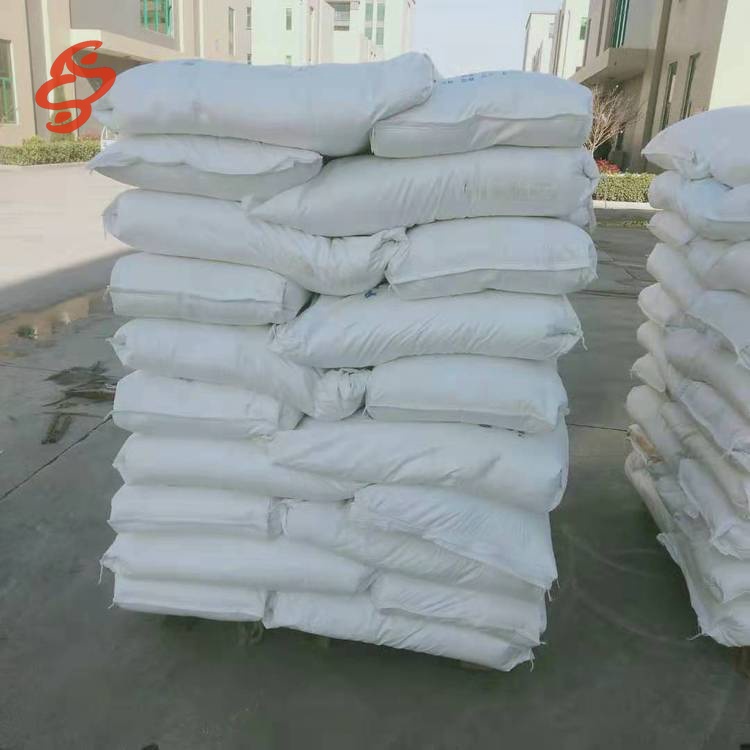
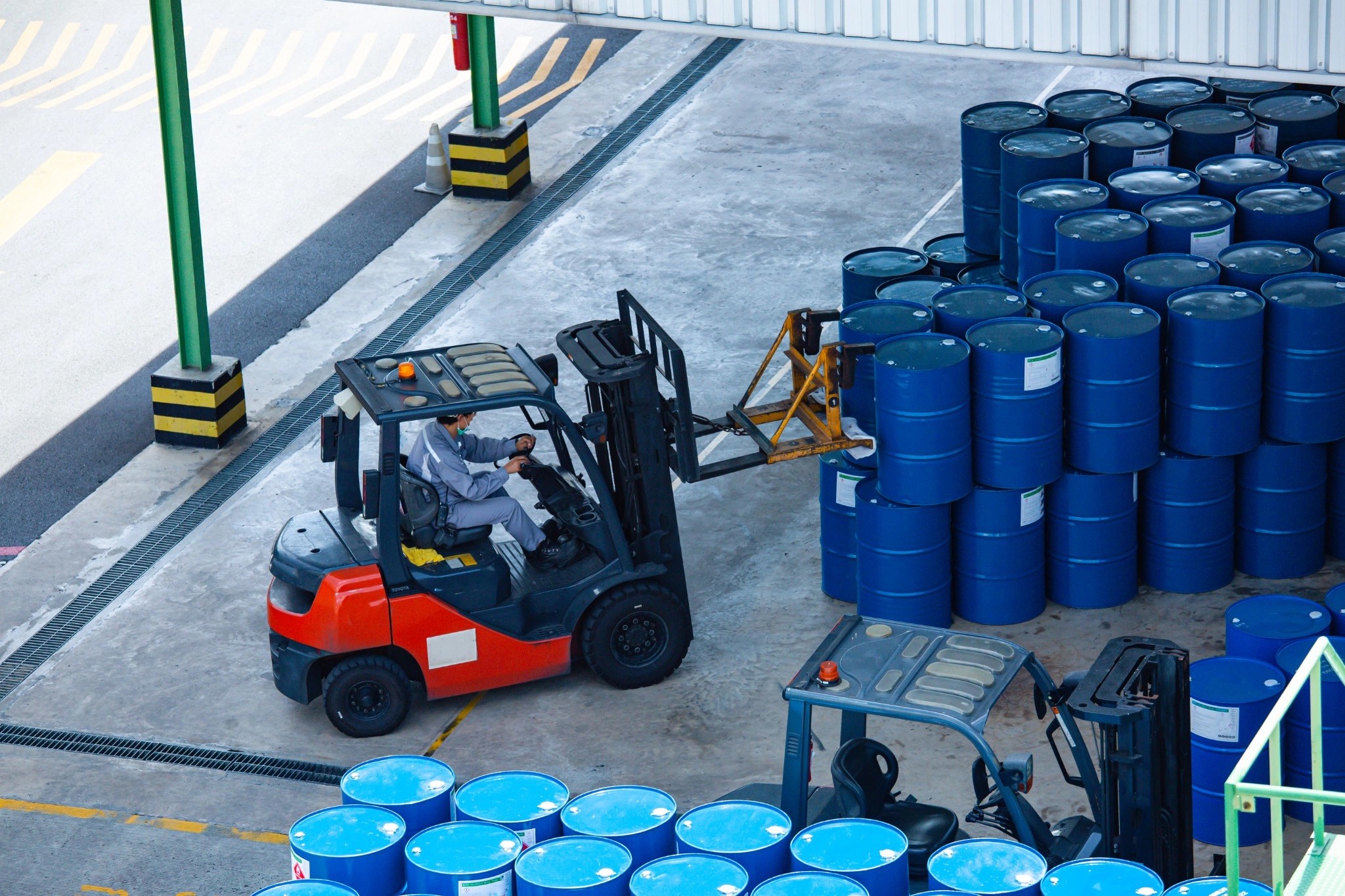
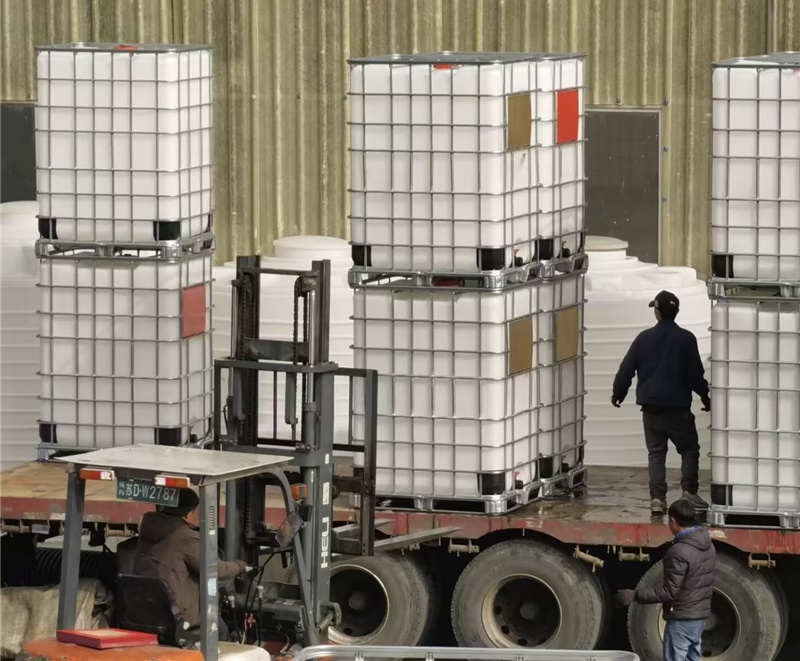
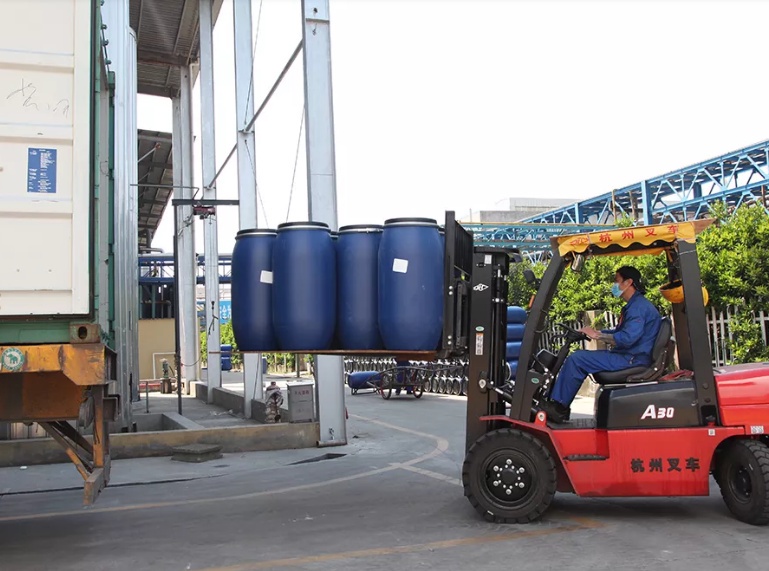
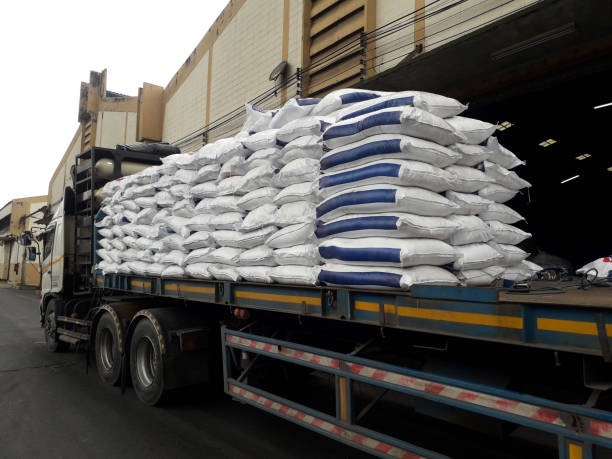
Loading and Transport




Product Inquiry
Product Information
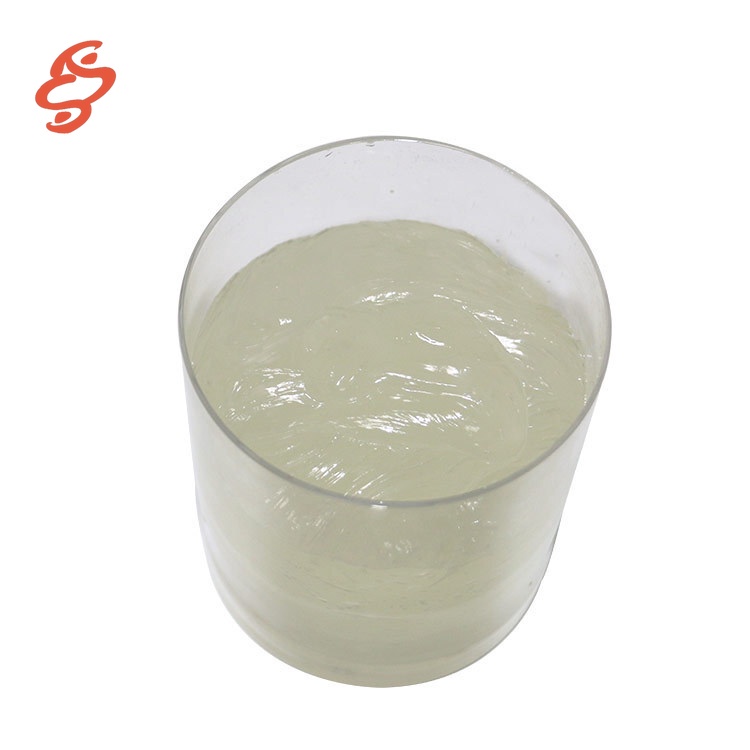
 Sodium Alcohol Ether Sulfate
Learn More
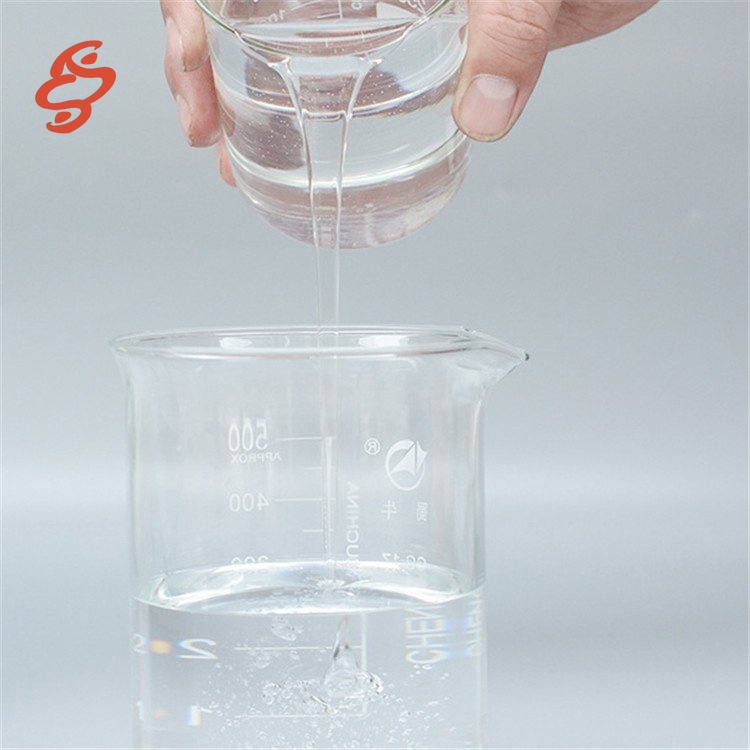
 Ethylene Glycol Monobutyl Ether
Learn More
 Polyacrylate
Learn More
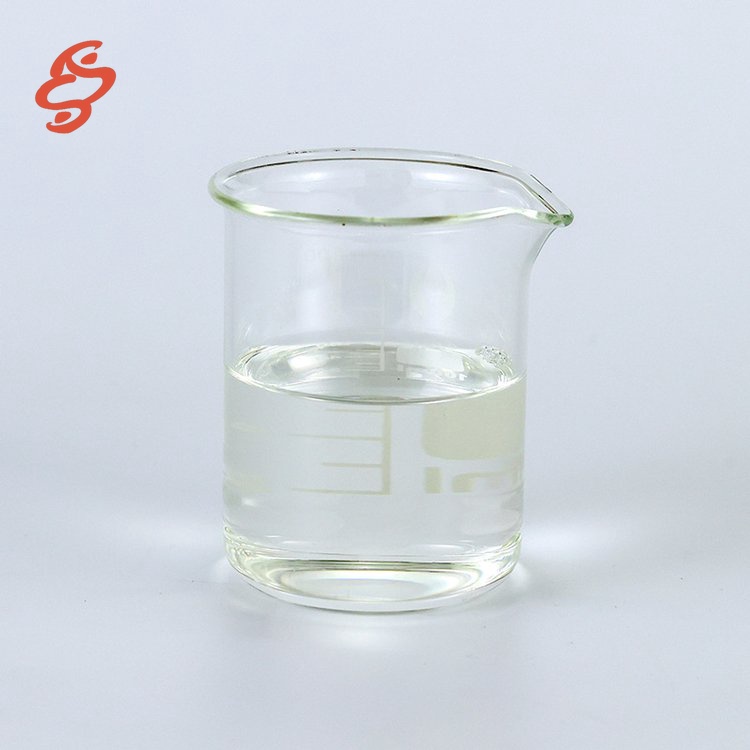
 Tributyl Citrate
Learn More
 Zinc Octadecanoate
Learn More
 Mineral oil CAS#8042-47-5
Learn More
 Hydroxyethyl Cellulose CAS#9004-62-0
Learn More
 Benzisotriazole CAS#95-14-7
Learn More
 Basic Red 51 CAS#12270-25-6
Learn More
 Lead monoxide CAS#1317-36-8
Learn More
Send Us Your Inquiry Today

Luxi Chemical is a professional chemical product supplier with ample stock of all chemical categories and excellent quality, welcome your purchase inquiry.