










Products
‹
›
‹
›
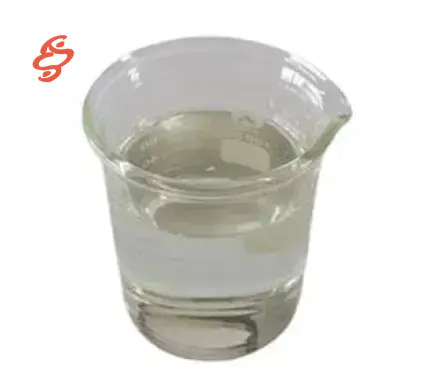
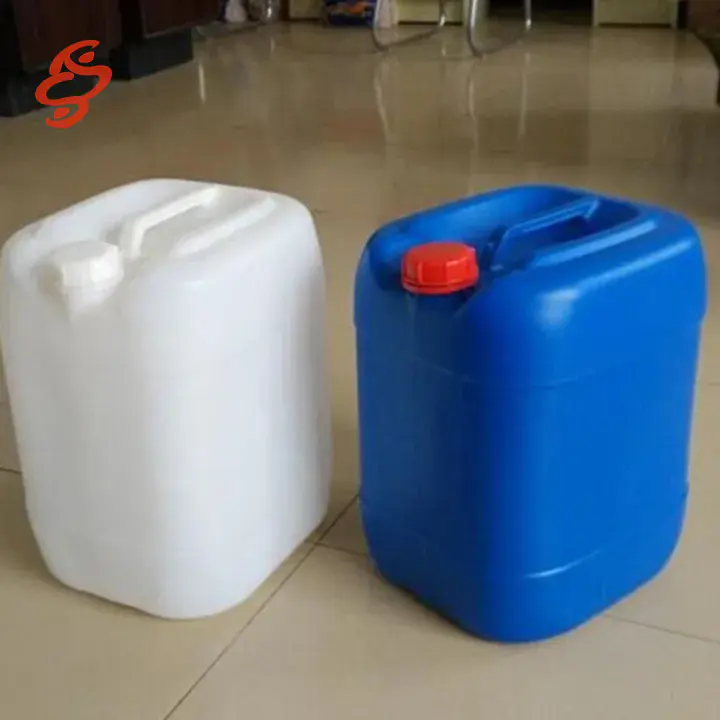
Benzaldehyde
Unique and Long-Lasting Bitter Almond Aroma: Benzaldehyde possesses a strong and distinctive bitter almond odor, with a prominent aroma characteristic. It is a core flavoring substance in edible flavorings such as almond and cherry, and a small amount can impart a typical nutty flavor to the product.
Excellent Solubility and Compatibility: Benzaldehyde is miscible with a variety of organic solvents such as ethanol, ether, benzene, and chloroform. It exhibits good compatibility with most fragrances and chemical raw materials, facilitating fragrance formulation and the construction of various chemical reaction systems.
Active Chemical Reactivity: The aldehyde group of benzaldehyde forms a conjugated system with the benzene ring, enabling it to undergo various classic organic reactions such as benzoin condensation, the Perkin reaction, and the Cannizzaro reaction. As a representative aromatic aldehyde, it is an important precursor for the synthesis of many fine chemicals.
Multiple Industrial Applications: Benzaldehyde serves multiple functions, including fragrance raw material, pharmaceutical intermediate, dye raw material, resin modifier, organic solvent, plasticizer, and low-temperature lubricant, spanning multiple industries such as food, daily chemicals, pharmaceuticals, pesticides, dyes, and polymer materials.
Mature and diverse production processes: Benzaldehyde can be produced through various routes, including toluene chlorination hydrolysis, toluene oxidation, natural cinnamon oil extraction, and amygdalin hydrolysis. Industrial-grade products typically have a purity of ≥99.5%, while chlorine-free products can meet stringent pharmaceutical and food-grade requirements.
Product Description
Benzaldehyde Product Description CAS#100-52-7
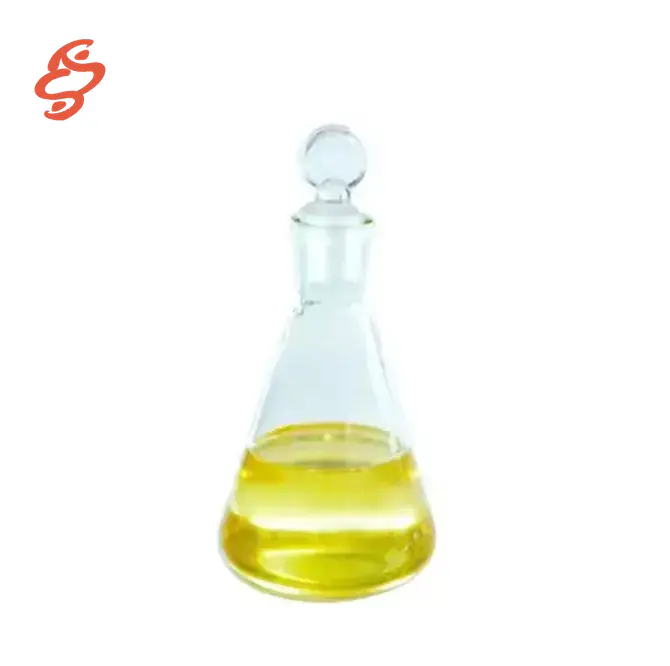
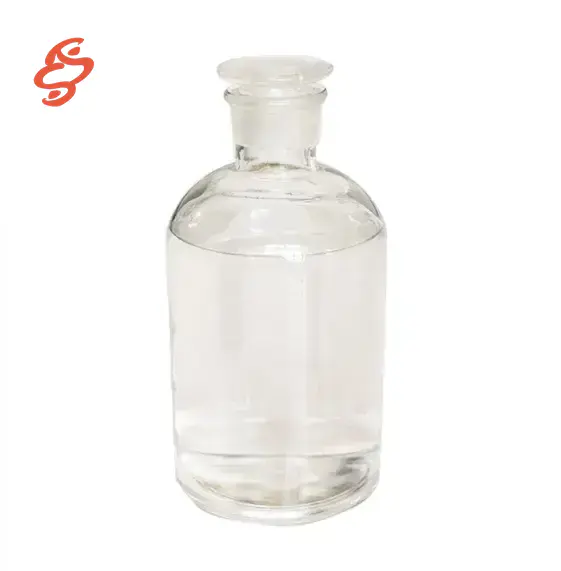
Benzaldehyde, also known as benzoin aldehyde, is the simplest aromatic aldehyde with the molecular formula C₇H₆O and a molecular weight of 106.12. At room temperature, the pure form is a colorless liquid, while the industrial form is a colorless to pale yellow liquid with a characteristic bitter almond odor. Its melting point is -26°C, boiling point is 179°C, flash point is 62°C (closed cup), and density is 1.04 g/cm³. In terms of solubility, benzaldehyde is slightly soluble in water (approximately 0.6 wt) and miscible with organic solvents such as ethanol, ether, benzene, and chloroform. Benzaldehyde has strong refractive properties, is sensitive to air, and can volatilize with water vapor. It is naturally found in bitter almond oil, hyacinth oil, patchouli oil, cinnamon oil, iris oil, and rockrose oil, and also exists in the kernels of apricots, cherries, and peaches in a glycoside-bound form. Industrially, benzaldehyde is mainly produced through toluene chlorination hydrolysis or toluene oxidation. It can also be extracted from natural cinnamon oil via alkaline hydrolysis or obtained from the hydrolysis of amygdalin. Benzaldehyde is the most commonly used and important aromatic aldehyde in industry. Its unique bitter almond aroma and active chemical properties make it widely applicable in fragrances, food, pharmaceuticals, dyes, resins, and organic synthesis.
Benzaldehyde Product Applications CAS#100-52-7
Benzaldehyde is an important raw material in the pharmaceutical, dye, fragrance, and resin industries. It is also used as a solvent, plasticizer, and low-temperature lubricant.
In the fragrance and food industry, benzaldehyde is the second most important food flavoring after vanillin. As a permitted synthetic food flavoring in GB 2076-2011, it is widely used in the formulation of almond, cherry, and other food flavorings, as well as in daily chemical flavorings and tobacco flavorings. Benzaldehyde is recognized as a Generally Recognized As Safe (GRAS) food additive by the US FDA.
In the pharmaceutical field, benzaldehyde is an important pharmaceutical intermediate used in the synthesis of antihistamines, anti-infectives, and benzyl benzoate, among other drugs. Benzaldehyde is also a United States Pharmacopeia (USP) reference material used for quality control of pharmaceutical preparations.
In the dye and resin industries, benzaldehyde is used in the synthesis of dye intermediates (such as phthalocyanine) and as a modifier for polyester resins.
In the field of agricultural chemicals, benzaldehyde is used as an intermediate in herbicides (such as fenvalerate) and plant growth regulators.
In organic synthesis, benzaldehyde is one of the most important synthetic raw materials, used to produce various compounds such as lauraldehyde, phenylacetaldehyde, benzyl benzoate, and cinnamaldehyde.
Product Information
Safety Information
Factory Showcase




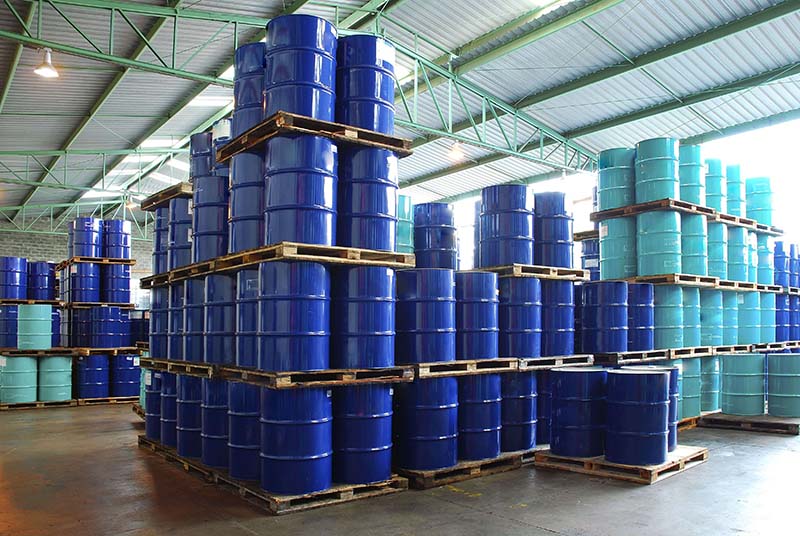
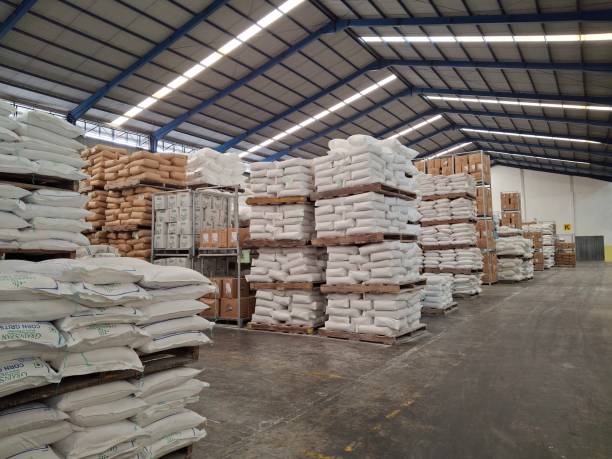

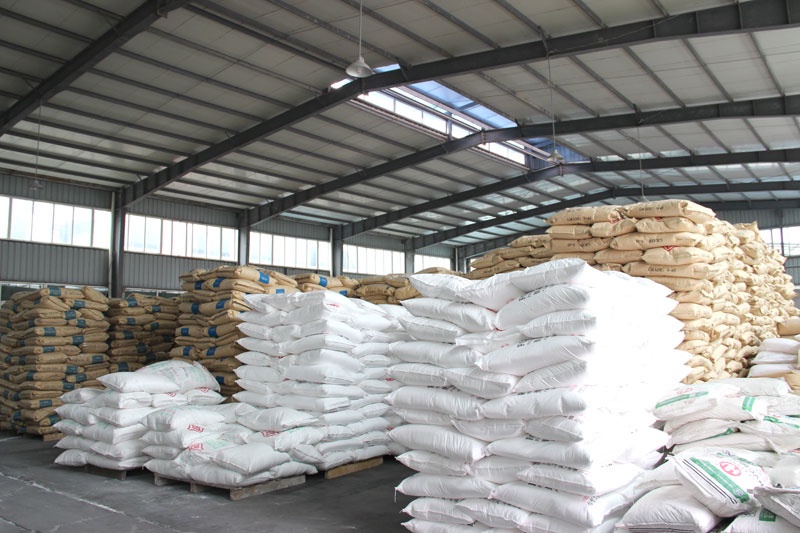
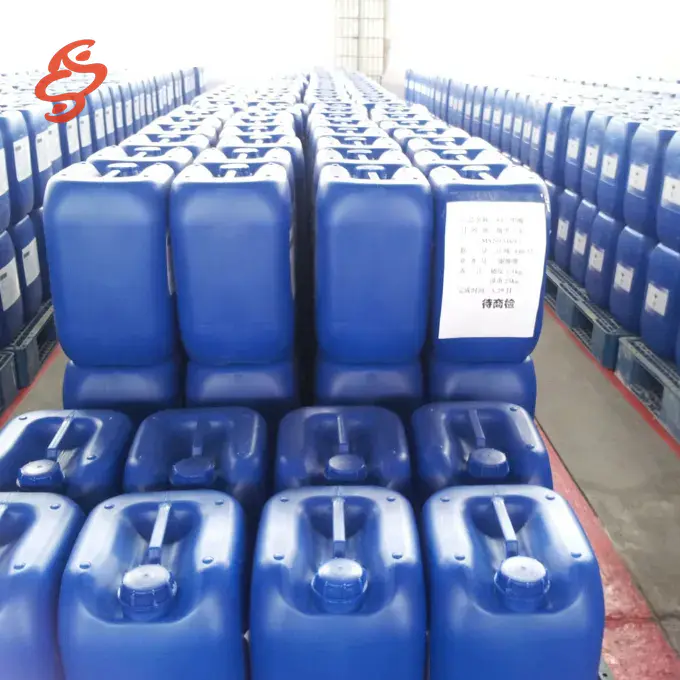
Loading and Transport








Product Inquiry
Product Information
Send Us Your Inquiry Today

Luxi Chemical is a professional chemical product supplier with ample stock of all chemical categories and excellent quality, welcome your purchase inquiry.