










Products
‹
›
‹


›
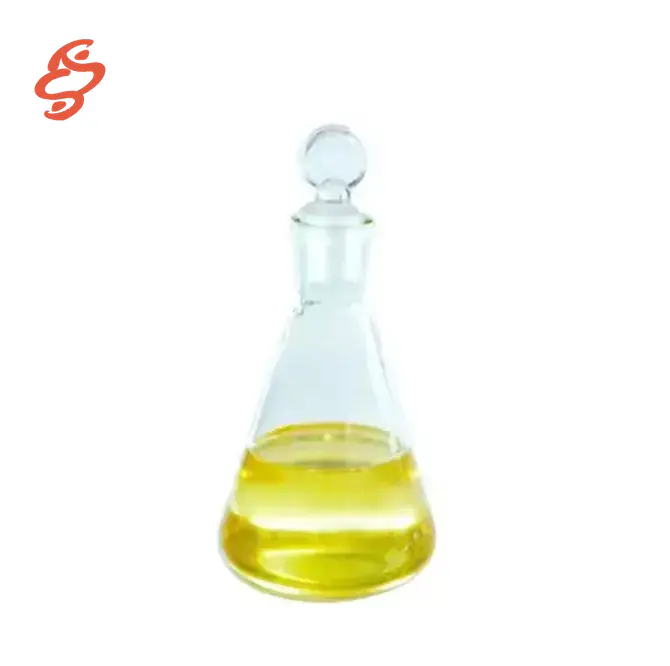
Cinnamic Aldehyde
Rich and Long-Lasting Cinnamon Aroma:Cinnamaldehyde possesses a strong and unique cinnamon and spicy aroma, with distinctive and long-lasting fragrance. It is one of the oldest spices in the world, and even a small amount can impart a rich cinnamon flavor to a product.
Excellent Solubility and Compatibility:Cinnamaldehyde is readily soluble in various organic solvents such as ethanol, ether, chloroform, and oils. It exhibits good compatibility with most fragrances and food ingredients, facilitating flavor formulation and food processing applications.
Broad-Spectrum Antibacterial and Preservative Properties:Cinnamaldehyde has strong antibacterial activity, inhibiting bacteria, fungi, and molds. As a food preservative and mold inhibitor, it is non-toxic or low-toxic to humans and can be used for fruit preservation and food preservation.
Multiple Bioactivities:Cinnamaldehyde possesses various pharmacological activities, including antioxidant, anti-inflammatory, antibacterial, antiviral, hypoglycemic, and cardioprotective effects, making it valuable in the pharmaceutical and health product fields.
Mature and Diverse Production Processes:Cinnamaldehyde can be obtained through both natural essential oil extraction and chemical synthesis. The most common industrial method is the aldol condensation of benzaldehyde and acetaldehyde. It can also be extracted from cinnamon oil by separation. The process is mature and suitable for large-scale industrial production.
Product Description
Cinnamaldehyde Product Description CAS#104-55-2
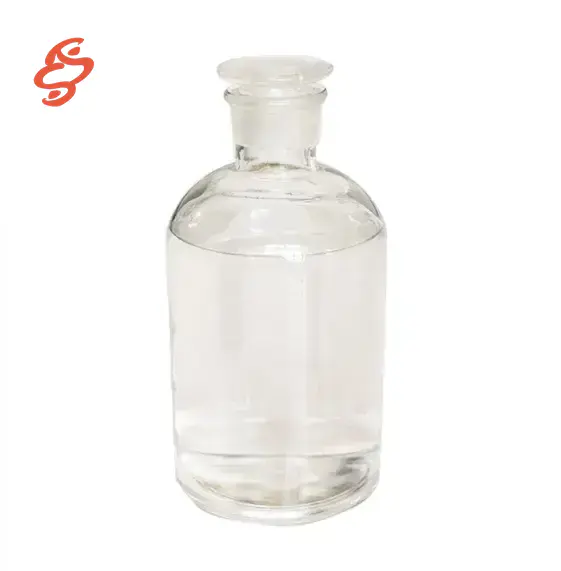
Cinnamaldehyde, also known as cinnamaldehyde or benzyl acrolein, has the chemical name 3-phenyl-2-propenal, molecular formula C₉H₈O, and molecular weight 132.16. At room temperature, it is a colorless to pale yellow oily liquid with strong refractive properties, a strong cinnamon aroma, and a sweet and burning taste. Its melting point is -7.5°C, boiling point is 253°C (partial decomposition), density is 1.049 g/mL (20°C), refractive index is 1.6195, and flash point is 71°C. In terms of solubility, cinnamaldehyde is readily soluble in ethanol, ether, chloroform, and oils, soluble in propylene glycol, and sparingly soluble in water (1:700) and glycerol. Cinnamaldehyde is volatile with water vapor and is easily oxidized to cinnamic acid in air. It is unstable in strongly acidic or alkaline media, which can easily lead to discoloration. Cinnamaldehyde is naturally found in essential oils such as Sri Lankan cinnamon oil, cassia bark oil, patchouli oil, hyacinth oil, and rose oil. Industrially, cinnamaldehyde is mainly produced through the Claisen-Schmidt condensation reaction of benzaldehyde and acetaldehyde under alkaline conditions; it can also be extracted from cinnamon oil using the sodium bisulfite addition method. Cinnamaldehyde is one of the oldest fragrance compounds, and its unique aroma characteristics and various biological activities make it widely applicable in many fields, including fragrances, food, medicine, daily chemicals, and animal feed.
Cinnamaldehyde Product Applications CAS#104-55-2
Cinnamaldehyde is an important edible flavoring agent, daily chemical flavoring agent, and multifunctional additive, widely used in multiple industries.
In the food industry, cinnamaldehyde is a permitted edible flavoring agent according to my country's GB 2760 standard and is a key raw material for formulating cinnamon, cassia bark, and cola-type flavorings. It is widely used for flavoring and seasoning chewing gum, ice cream, candy, beverages, baked goods (bread, cakes, pastries), instant noodles, betel nuts, and other foods. Cinnamaldehyde can also be used as a fruit preservative, used in appropriate amounts as needed, with a residue level ≤0.3 mg/kg. Simultaneously, cinnamaldehyde acts as a food antifungal agent, strongly inhibiting the growth of microorganisms.
In the daily chemical industry, cinnamaldehyde is widely used for flavoring perfumes, soaps, toothpaste, mouthwash, and other products. It can be used to formulate gardenia, jasmine, lily of the valley, rose, and other flavorings. Recent research shows that cinnamaldehyde used in chewing gum can provide both antibacterial and deodorizing effects in the oral cavity.
Product Information
Factory Showcase








Loading and Transport








Product Inquiry
Product Information
Send Us Your Inquiry Today

Luxi Chemical is a professional chemical product supplier with ample stock of all chemical categories and excellent quality, welcome your purchase inquiry.