










Products
‹
›
‹
›
Kojic Acid
Superior Whitening Efficacy: Kojic acid exhibits significant inhibitory activity against tyrosinase, inhibiting enzyme activity by 70%–80% at a concentration of only 20 μg/mL. Its whitening effect surpasses that of common ingredients like arbutin, and even very low dosages can visibly lighten dark spots and brighten skin tone.
Natural Fermentation Source: Kojic acid is produced through aerobic fermentation by Aspergillus oryzae and is naturally found in traditional fermented foods such as soy sauce and bean paste. It boasts high safety, aligns with green chemistry and natural skincare trends, and is suitable for high-end cosmetics and functional foods.
Powerful Antioxidant and Metal Chelating Properties: Kojic acid possesses excellent free radical scavenging capabilities and can efficiently chelate metal ions such as copper and iron, preventing metal-catalyzed oxidation and deterioration. In oily foods and skincare products, it can significantly extend shelf life and maintain stable color and odor.
Broad-spectrum antibacterial and preservative effects: Kojic acid inhibits Gram-positive bacteria, molds, and yeasts. Adding it to food effectively prevents spoilage and deterioration. It also protects the color of fruits, vegetables, and seafood, reducing browning and maintaining a bright appearance.
Synthetic applications across multiple fields: Kojic acid is not only a skin-whitening agent but also a food antioxidant, a synthetic intermediate for cephalosporins, a precursor for maltol/ethyl maltol, and a component of biopesticides and foliar fertilizers, enabling comprehensive cross-industry utilization.
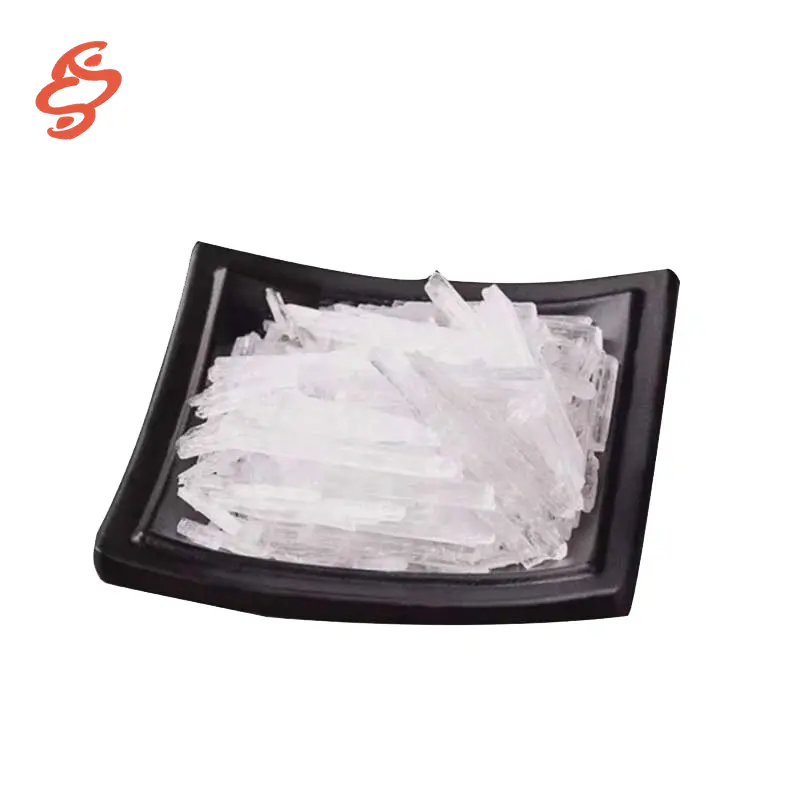
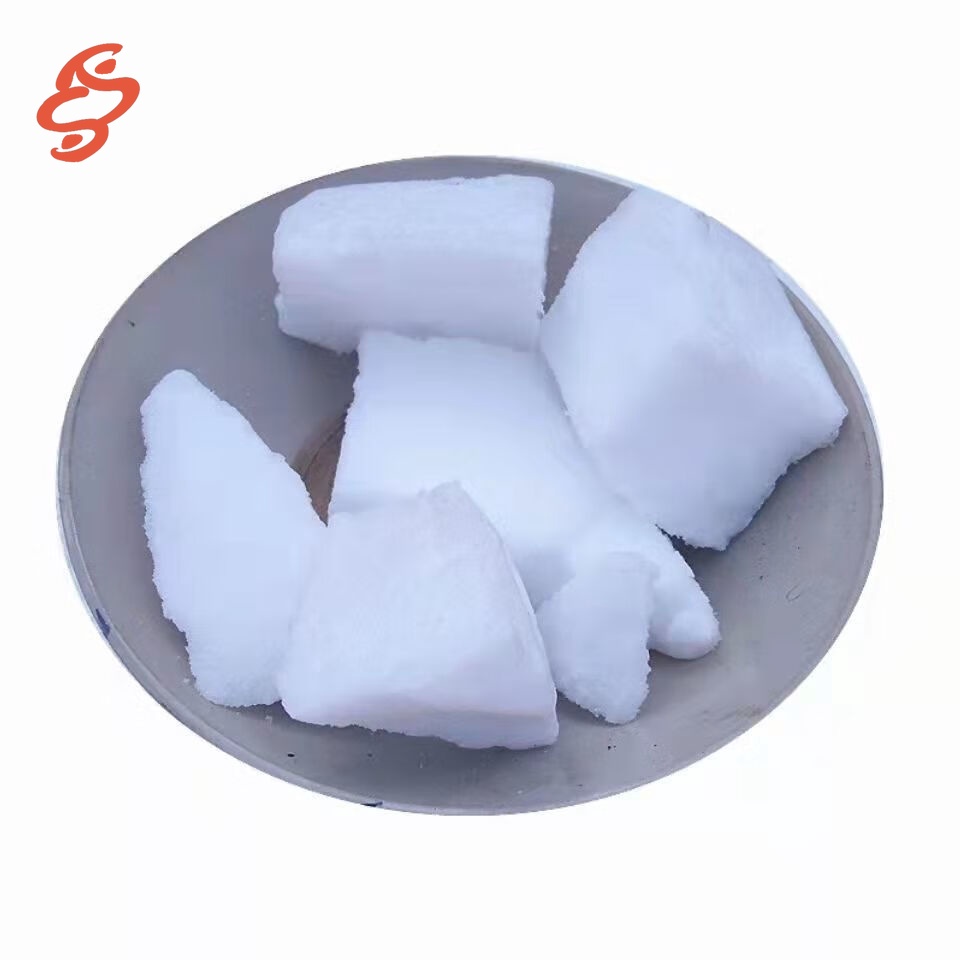
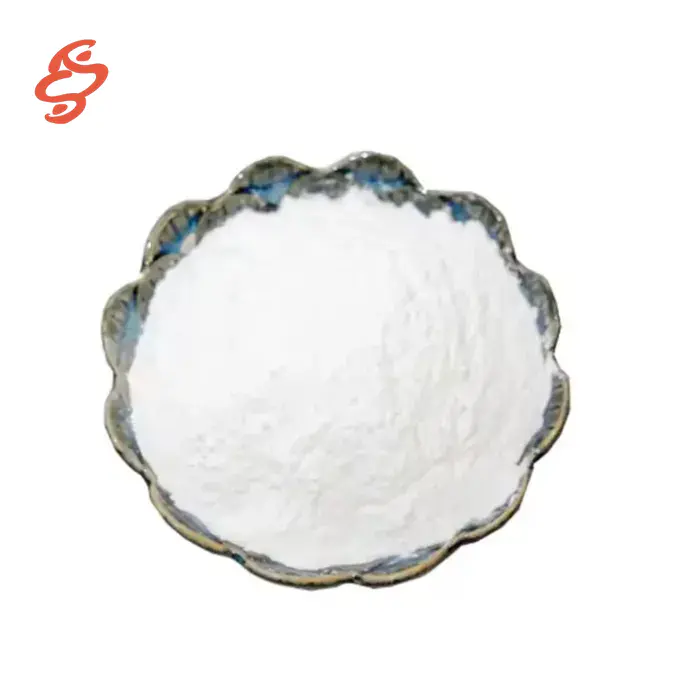
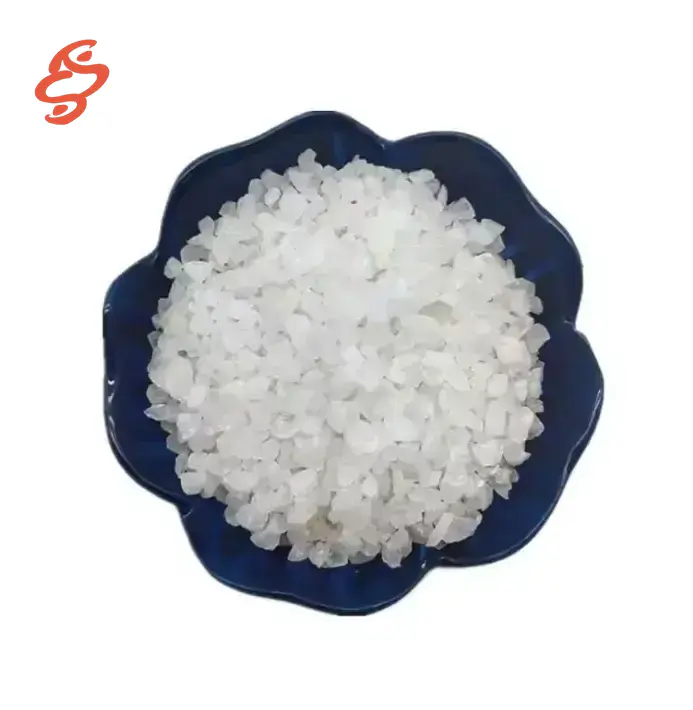
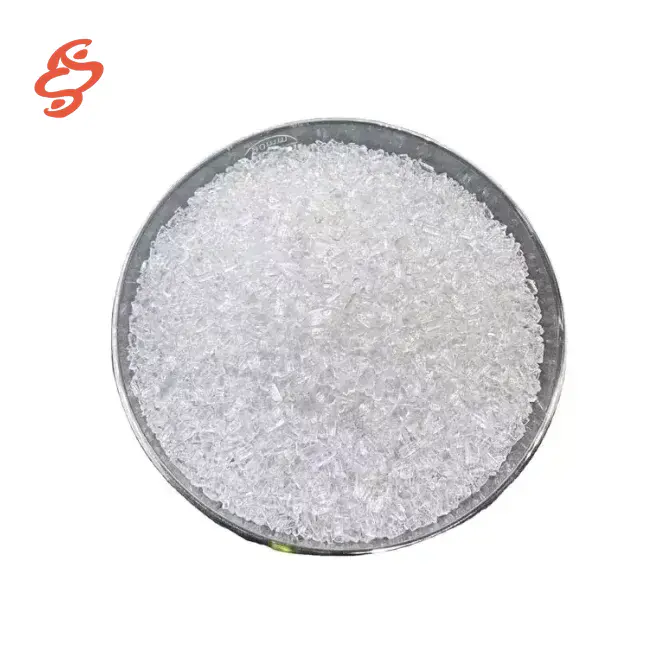
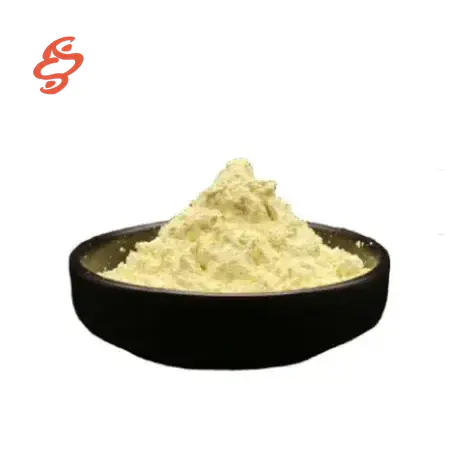
Stable and compatible: Kojic acid is a white crystalline powder with a melting point of 152–156°C. It is readily soluble in water and common organic solvents, exhibits good stability in cosmetic and food formulations, is compatible with most raw materials, facilitates compounding, and is suitable for various dosage forms.
Product Description
Kojic Acid Product Description CAS#501-30-4
Kojic acid is a white or off-white crystalline powder with slightly acidic properties. Its melting point is 152–156°C, its molecular formula is C₆H₆O₄, and its molecular weight is 142.11. Kojic acid is readily soluble in water, ethanol, acetone, and methanol; slightly soluble in diethyl ether, ethyl acetate, and chloroform; and insoluble in benzene. Industrially, kojic acid is mainly produced through microbial fermentation, using Aspergillus oryzae and other Aspergillus species as production strains, and glucose or starch sugar as raw materials, through aerobic fermentation to obtain the product. As a natural organic acid, kojic acid has been present in traditional fermented foods such as soy sauce, bean paste, and alcoholic beverages since ancient times. Kojic acid has strong tyrosinase inhibitory activity and metal chelating ability, and can bind with metal ions such as copper ions. These unique chemical and biological activities give it wide application value in cosmetics, food, medicine, agriculture, and other fields.
Kojic Acid Product Applications CAS#501-30-4
Kojic acid is a highly effective whitening and skin-care ingredient widely used in the cosmetics industry. It effectively inhibits tyrosinase activity, blocking melanin production. It is incorporated into products such as toners, masks, lotions, and creams to treat skin problems such as freckles, age spots, pigmentation, and acne. The recommended addition level in cosmetics is 0.2%–1.0%, and a concentration of 20 μg/ml can inhibit 70–80% of tyrosinase activity. In the food processing industry, kojic acid can be used as a food antioxidant, antibacterial agent, and anti-discoloration agent. Adding kojic acid to food can effectively prevent oil rancidity and inhibit the conversion of sodium nitrite into carcinogenic nitrosamines; it also has significant color-protecting and freshness-preserving effects on fruits, vegetables, and seafood. In the pharmaceutical field, kojic acid is used as a raw material for the synthesis of cephalosporin antibiotics and other drugs. Furthermore, kojic acid is also an important precursor raw material for the production of food flavoring agents maltol and ethyl maltol. In agriculture, kojic acid can be used to produce biopesticides and foliar fertilizers.
Product Information
Chemical Properties
Safety Information
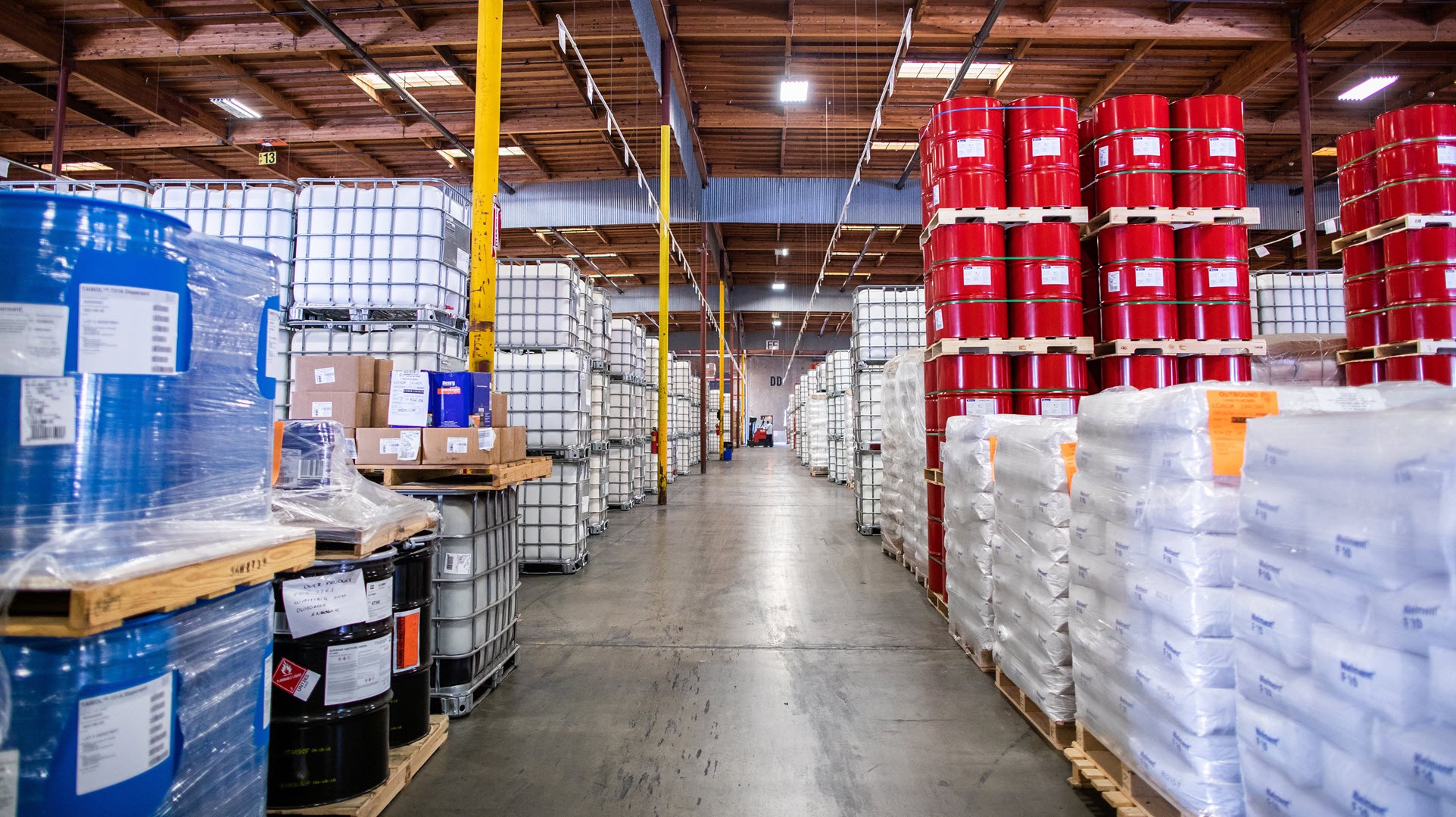
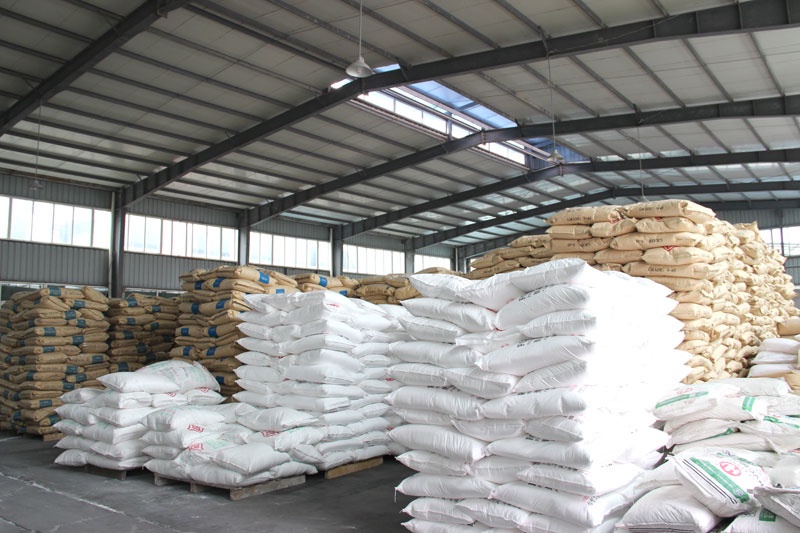
Factory Showcase
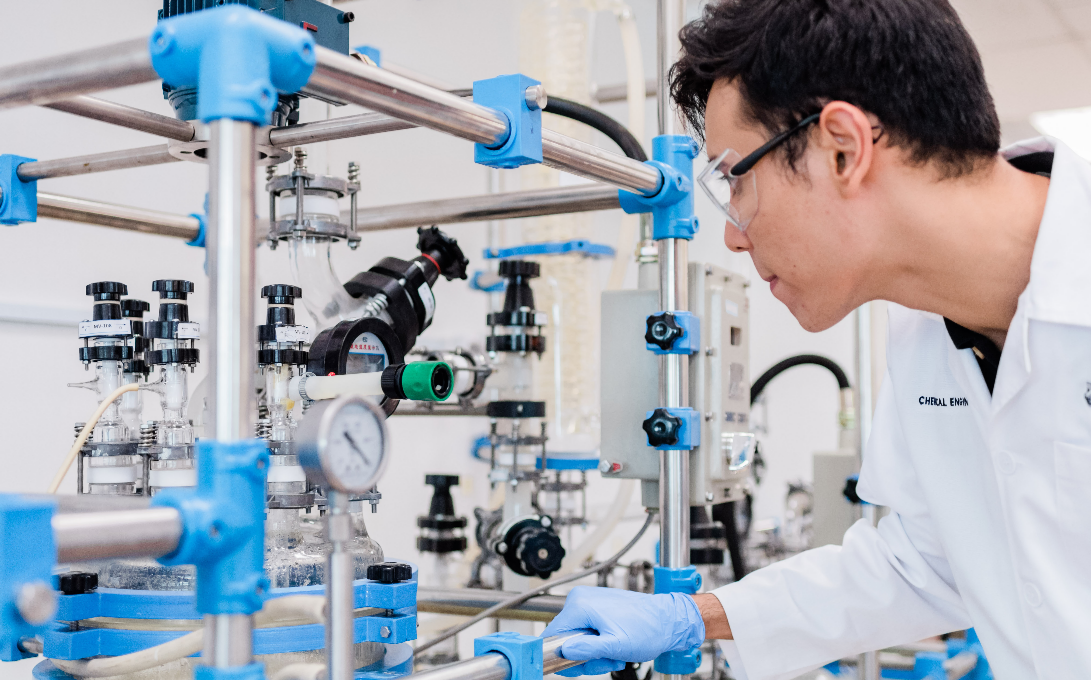

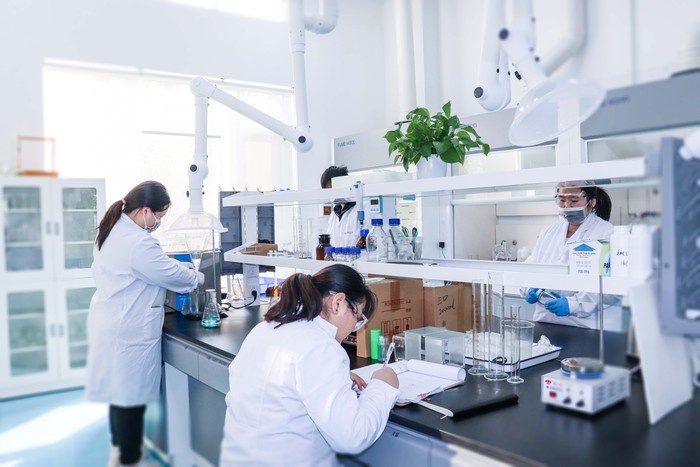
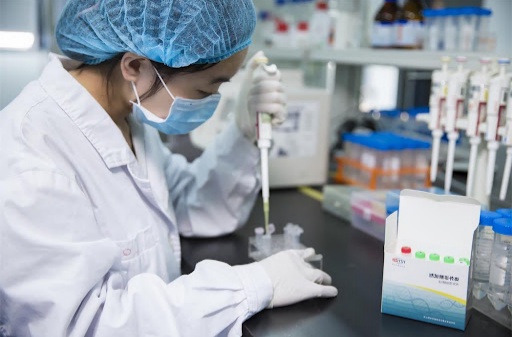
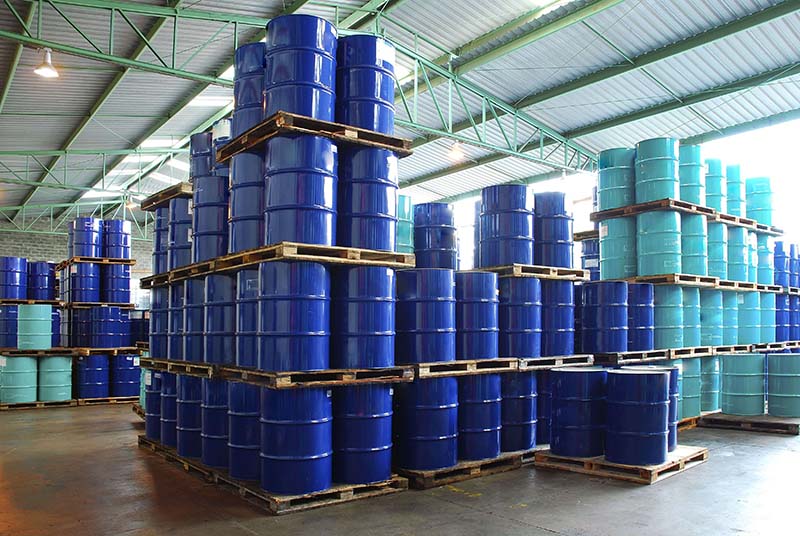
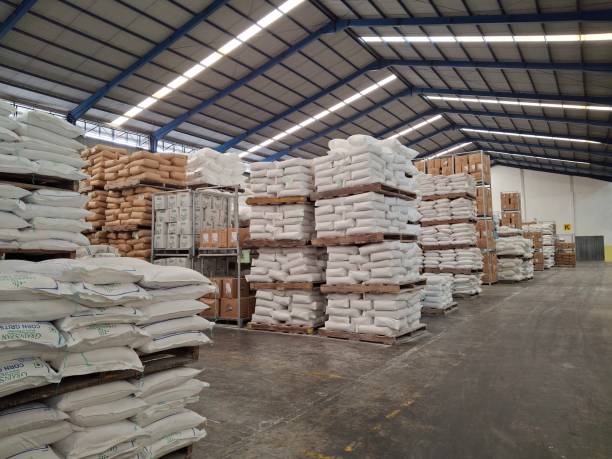
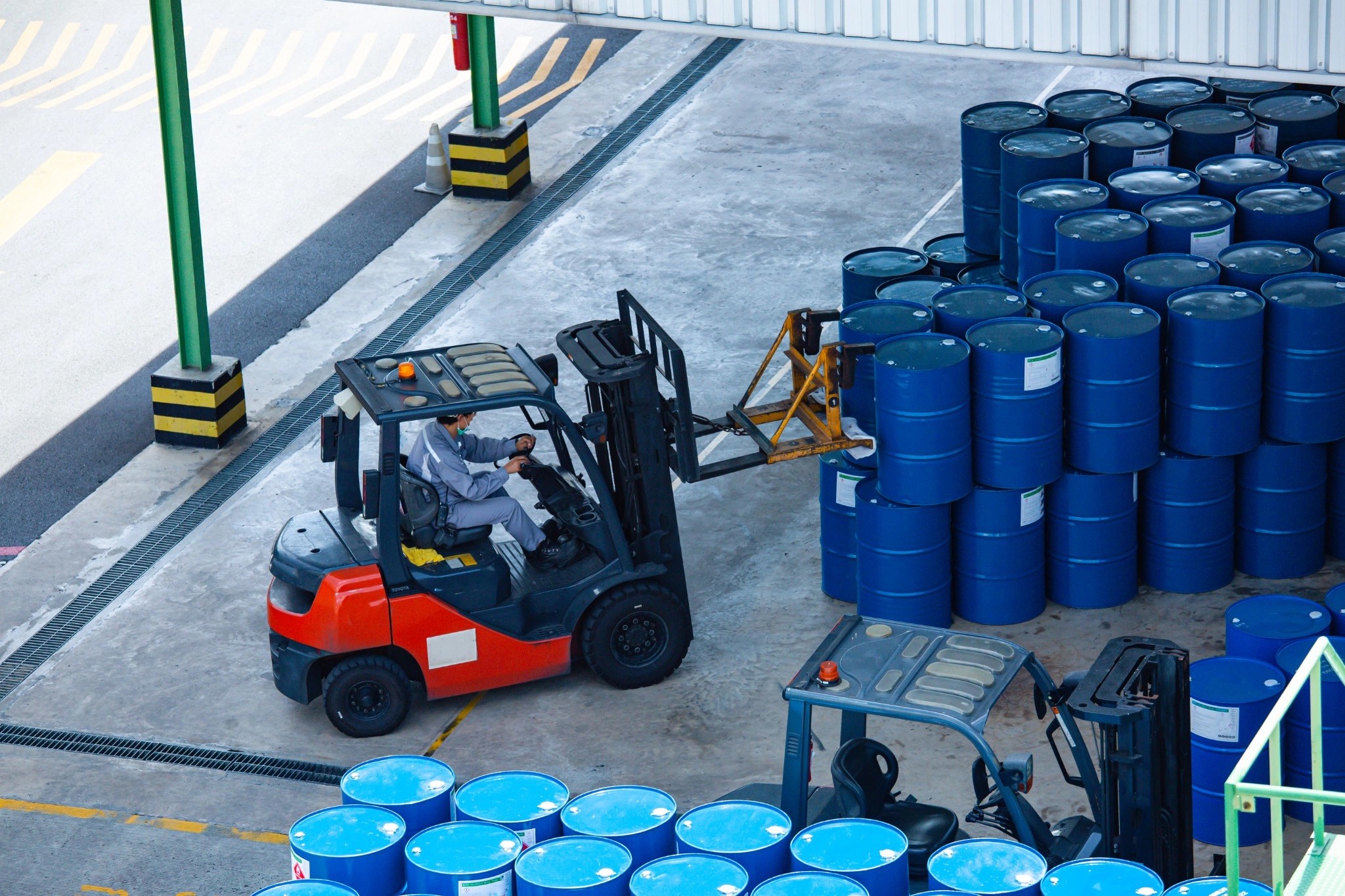
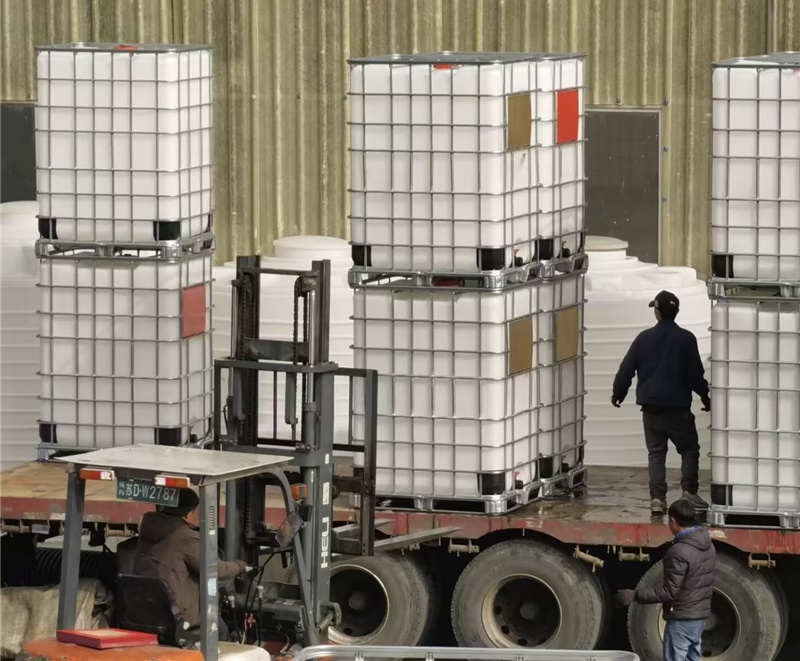
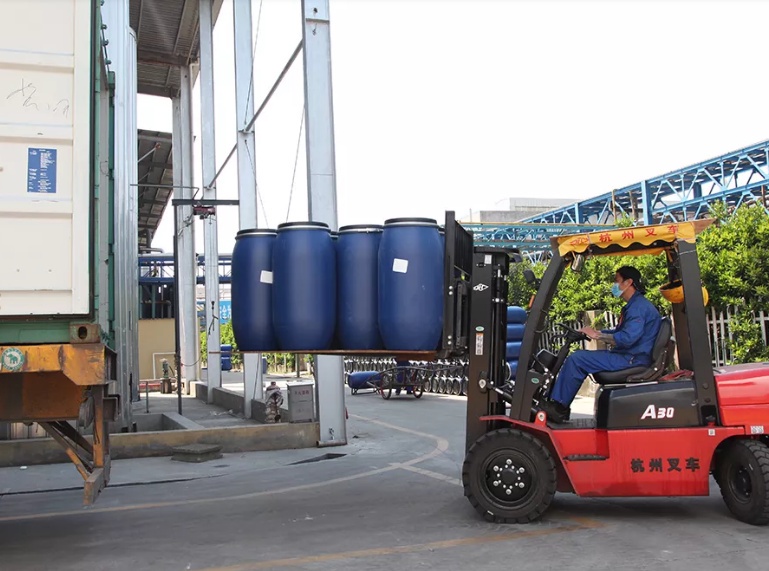
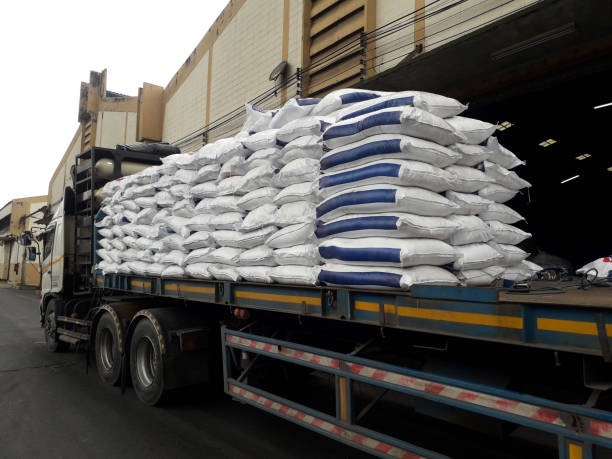
Loading and Transport




Product Inquiry
Product Information
Send Us Your Inquiry Today

Luxi Chemical is a professional chemical product supplier with ample stock of all chemical categories and excellent quality, welcome your purchase inquiry.