










Products
‹
›
‹
›
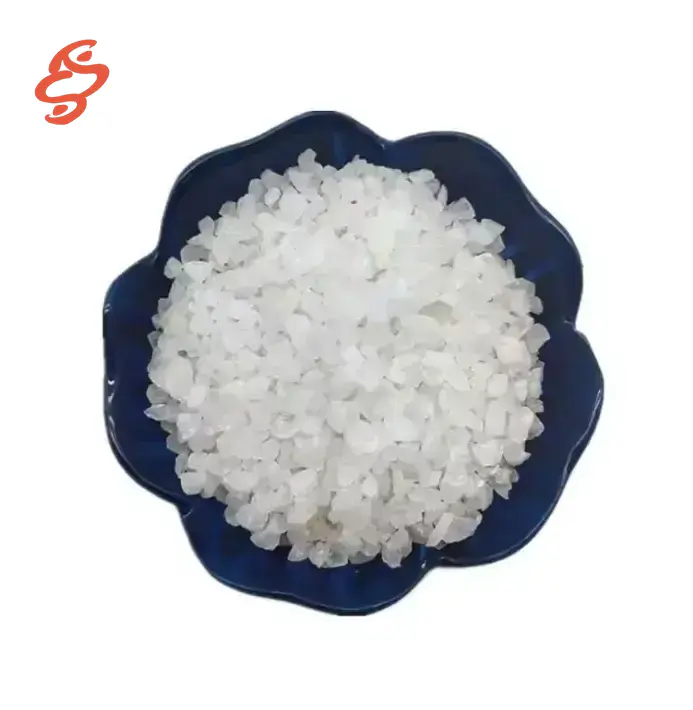
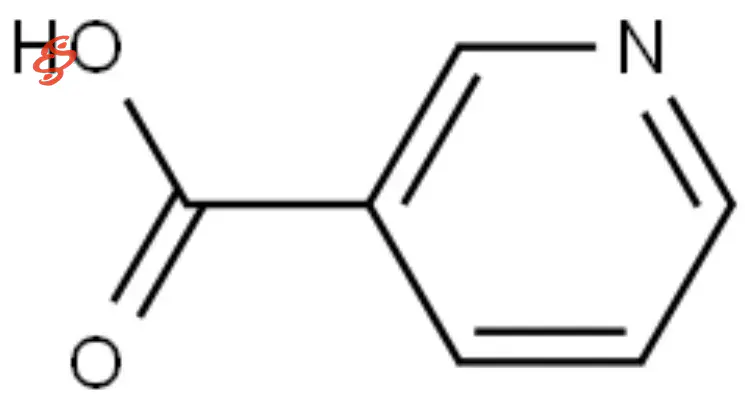
Nicotinic Acid
Essential Vitamin Fortification: Niacin is one of the 13 essential vitamins for the human body, belonging to the B vitamins. After being converted into nicotinamide in the body, it participates in biological oxidation reactions, promoting cell metabolism. Niacin deficiency can cause pellagra, manifesting as dermatitis, diarrhea, and dementia.
Excellent Lipid-Lowering Effect: High doses of niacin have a significant lipid-lowering effect, rapidly reducing blood triglycerides and very low-density lipoprotein (VLDL), while simultaneously lowering LDL cholesterol and raising HDL cholesterol. Clinically, it is used to treat hyperlipidemia and mixed dyslipidemia.
Multiple Physiological Functions: Niacin possesses multiple biological functions, including anti-inflammatory, antioxidant, lipid metabolism regulation, and stress relief. It also dilates peripheral blood vessels, relieving vasospasm and improving local blood supply.
Excellent Chemical Stability: Niacin is quite stable in dry conditions and in aqueous solutions. It is heat-stable, with almost no loss at temperatures below 120°C. It is non-hygroscopic and stable in air, and sublimates without decomposing, facilitating storage and transportation.
Versatile Applications: Nicotinic acid is widely used not only in food fortification, pharmaceutical treatment, and feed additives, but also in various industrial fields such as electroplating, luminescent materials, dyes, and biochemical reagents. Food-grade, pharmaceutical-grade, and feed-grade specifications are available to meet the needs of different industries.
Product Description
Nicotinic Acid Product Description CAS#59-67-6
Nicotinic acid, also known as nicotinic acid, vitamin B3, and pyridine-3-carboxylic acid, has the molecular formula C₆H₅NO₂ and a molecular weight of 123.11. At room temperature, it is a white to off-white crystalline powder, odorless or with a slight odor, and a slightly acidic taste. Its melting point is 236–239°C, and its density is 1.47 g/cm³ (20°C). Regarding solubility, nicotinic acid is soluble in water (15–17 g/L at 20°C), readily soluble in boiling water (150 g/L at 100°C) and boiling ethanol, slightly soluble in ethanol at room temperature, soluble in propylene glycol, chloroform, alkaline hydroxide, and alkaline carbonate solutions, and insoluble in ether and lipid solvents. The pH of its saturated aqueous solution is 2.7. Niacin is stable in air without deliquescent, sublimates without decomposing, and is thermally stable with almost no loss at temperatures below 120°C. Industrially, niacin is mainly produced through chemical synthesis, commonly using methods such as ammonia oxidation and nitric acid oxidation with 3-methylpyridine as raw materials. In addition, bioconversion, using 3-cyanopyridine as a raw material and catalyzed by nitrile hydrolases, has the advantages of low energy consumption and low pollution, and has been industrialized. Niacin is one of the essential B vitamins for the human body. In the body, it is converted into nicotinamide and participates in biological oxidation reactions. It is a component of the coenzymes NAD and NADP.
Niacin Product Applications CAS#59-67-6
Niacin is an important nutritional fortifier and multifunctional chemical raw material, widely used in food, pharmaceutical, feed, and industrial fields. It is available in three commercial grades: food grade, pharmaceutical grade, and feed grade.
In the food industry, niacin is used as a nutritional fortifier to fortify cereals and their products (40–50 mg/kg), infant foods (30–40 mg/kg), and beverages and milk drinks (10–40 mg/kg). Niacin is also used as a color-enhancing agent in meat products.
In the pharmaceutical field, niacin is a vitamin-like drug, collectively known as vitamin PP with nicotinamide, used to prevent and treat pellagra (niacin deficiency). High doses of niacin have a lipid-regulating effect, lowering total cholesterol, LDL cholesterol, and triglyceride levels, while raising HDL cholesterol. Niacin is also used as a vasodilator and as a pharmaceutical intermediate in the synthesis of drugs such as isoniazid, nicotinamide, nikethamide, and nicotinic acid inositol ester.
In the feed industry, niacin is mainly used as a feed additive to improve the utilization rate of feed protein, thereby increasing milk production in dairy cows and the yield and quality of meat from poultry such as fish, chicken, duck, beef, and mutton.
In other industrial sectors, niacin can be used as an additive in electroplating solutions, a luminescent material, a dye intermediate, and a biochemical reagent.
Product Information
Chemical Properties
Safety Information
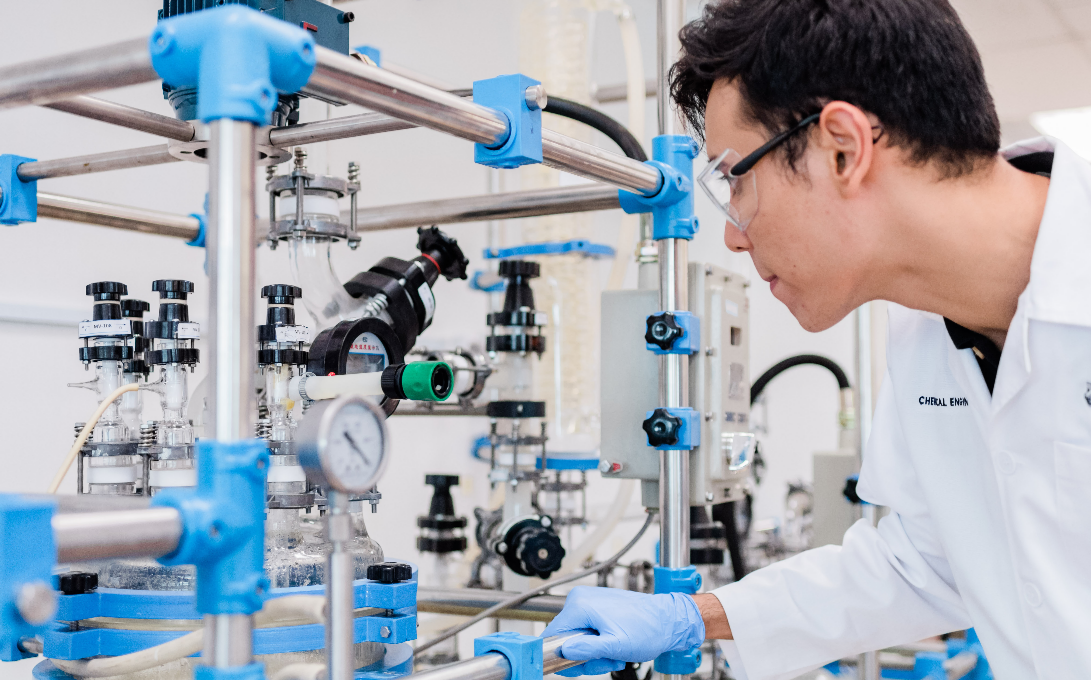
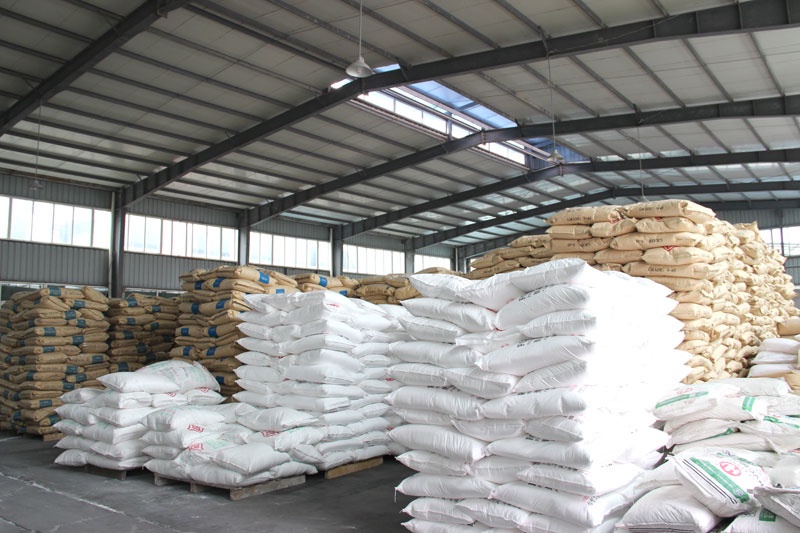
Factory Showcase


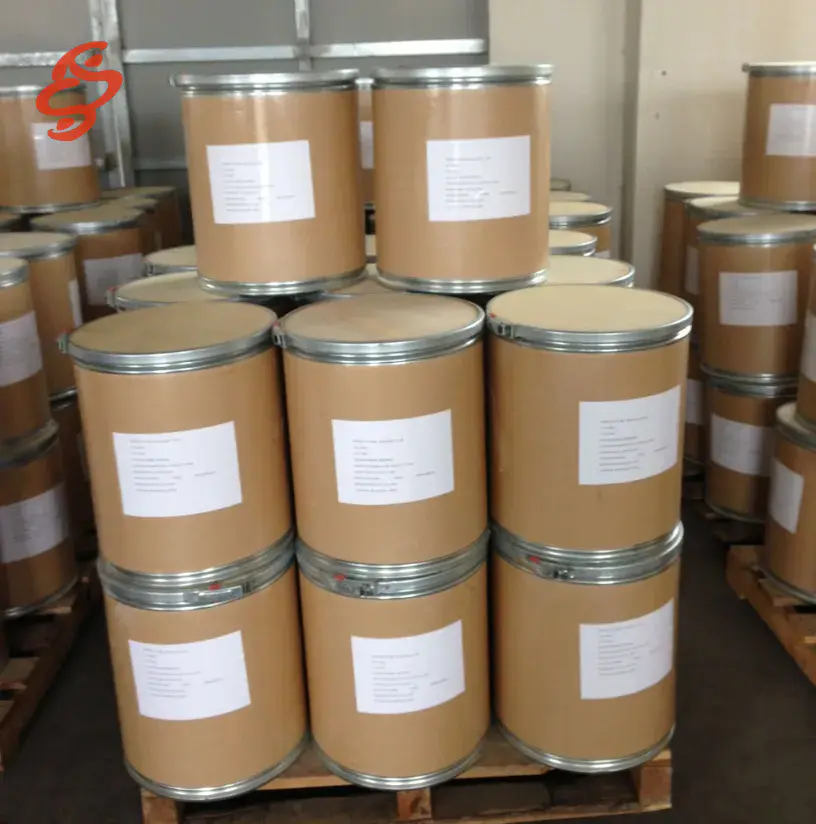
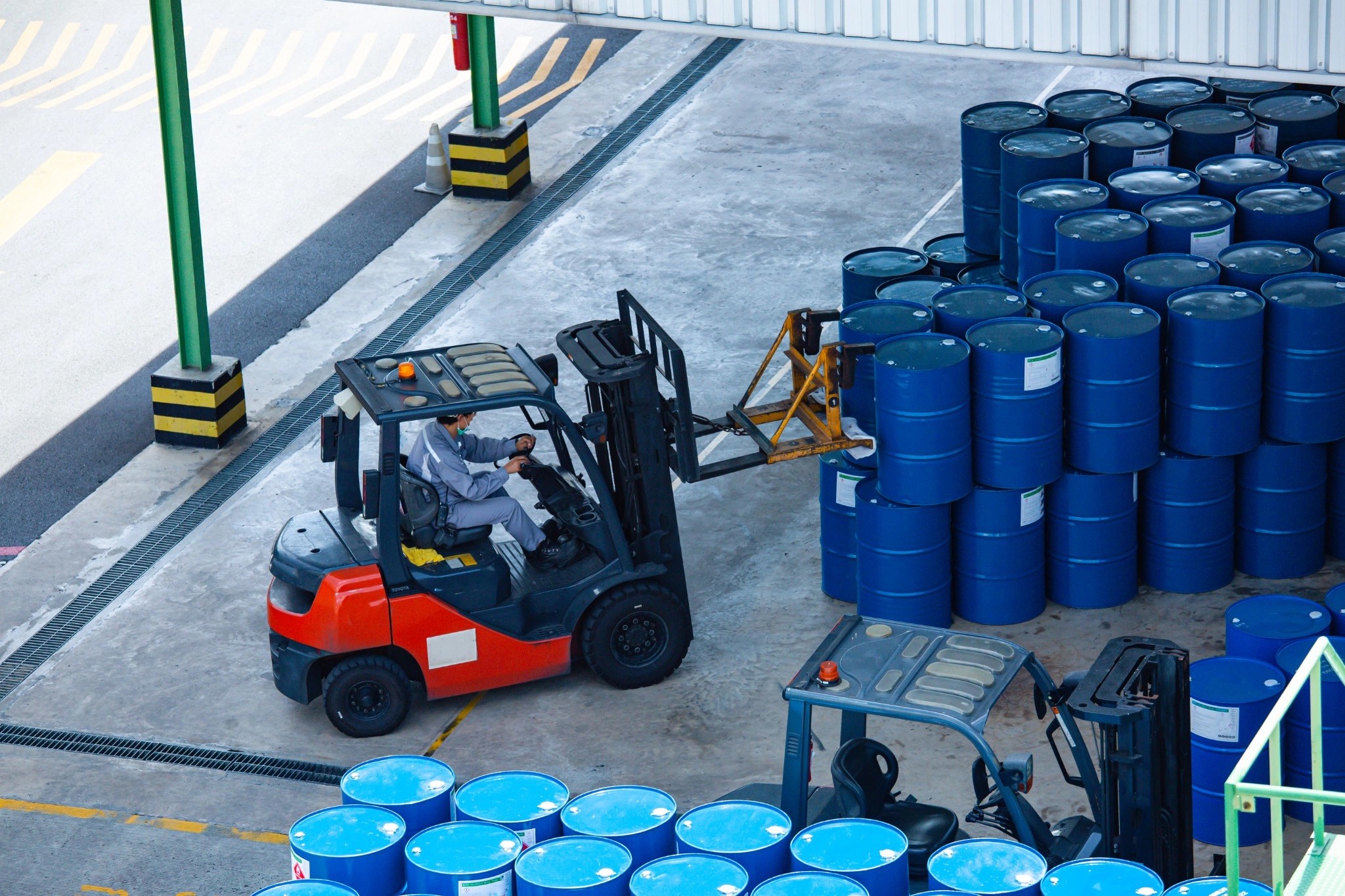
Loading and Transport







Product Inquiry
Product Information
Send Us Your Inquiry Today

Luxi Chemical is a professional chemical product supplier with ample stock of all chemical categories and excellent quality, welcome your purchase inquiry.