










Products
‹
›
‹
›
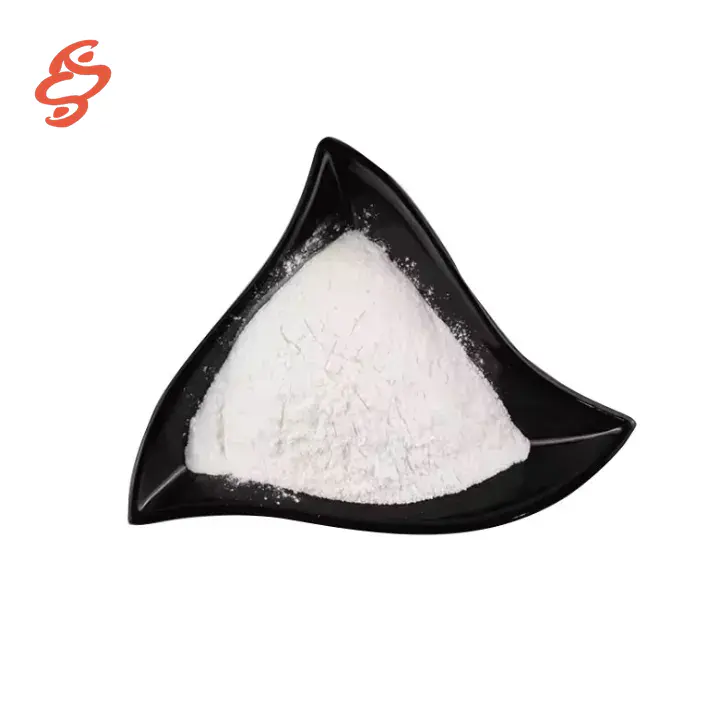
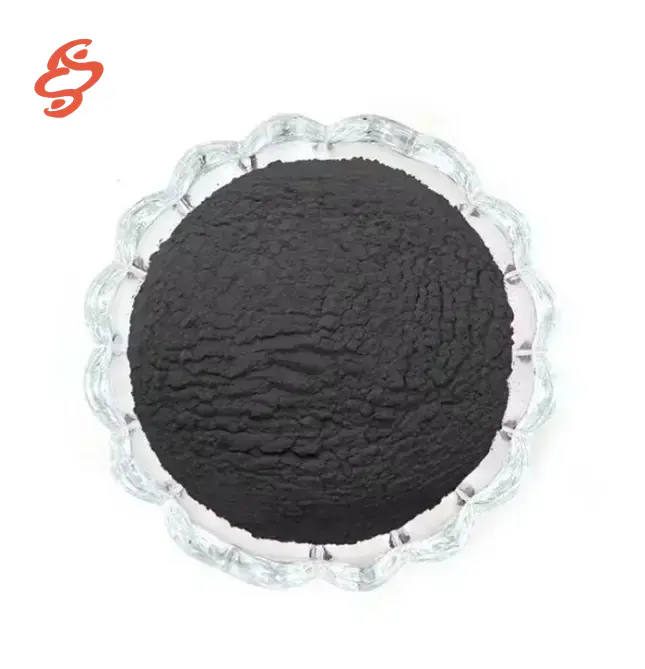
Lead(II) Carbonate Basic
Excellent Hiding Power and High Whiteness: Basic lead carbonate possesses extremely high hiding power and excellent whiteness, making it an outstanding coloring agent when used as a white pigment. Its hiding power and brightness are remarkable; a small amount is sufficient to give products a pure white appearance.
Excellent Weather Resistance and Rust Prevention: Basic lead carbonate exhibits excellent weather resistance and rust prevention. Paints produced with lead white have robust films that maintain stable performance under long-term outdoor exposure, making them particularly suitable for rust-preventive paints and outdoor coatings.
High Refractive Index and Pearlescent Effect: Basic lead carbonate has a high refractive index, making it an excellent pearlescent pigment applicable to coatings, plastics, printing and dyeing, etc., imparting a unique pearlescent luster to products.
Good Thermal Stability: Basic lead carbonate exhibits high thermal stability, with a melting point of 400°C (decomposition). It maintains stable performance in high-temperature processes such as plastics processing and ceramic firing.
Product Description
Basic Lead Carbonate Product Description CAS#1319-46-6
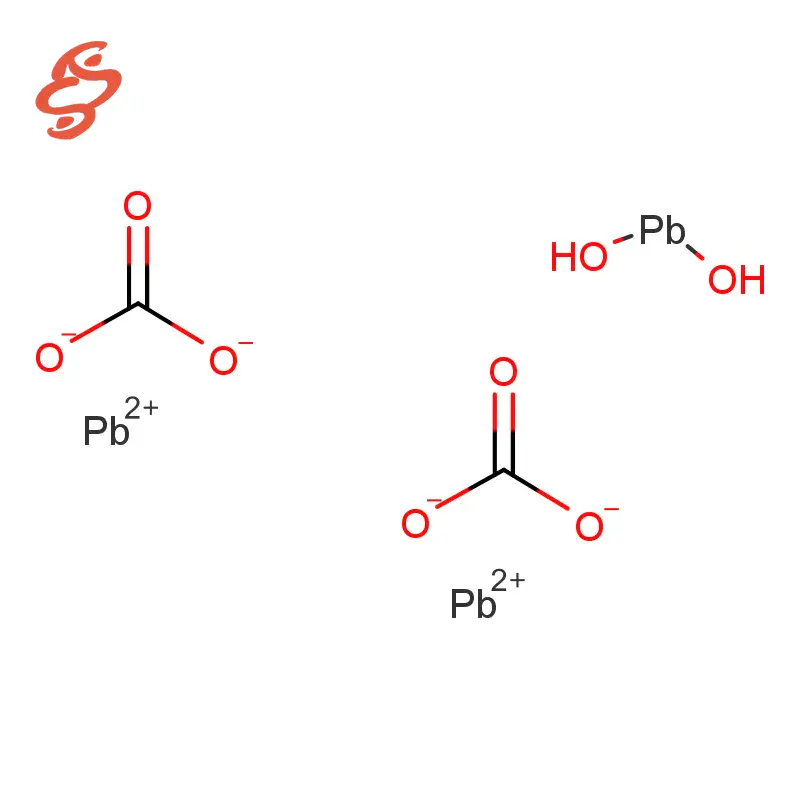
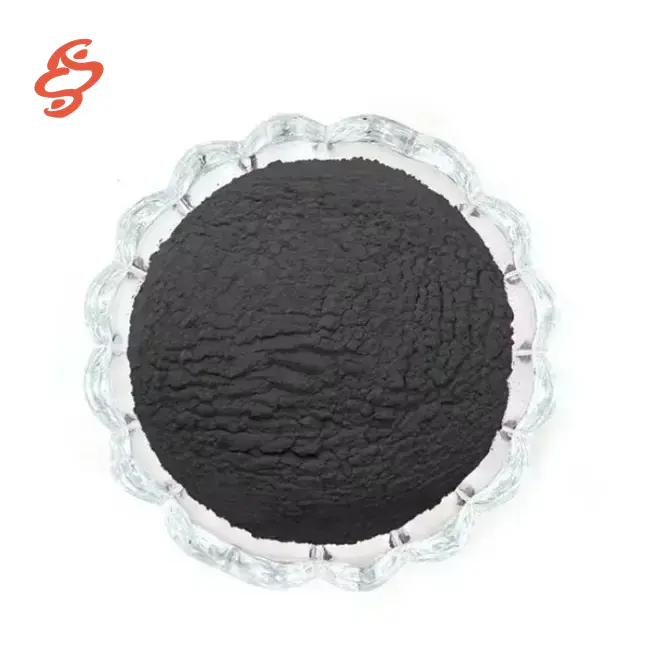
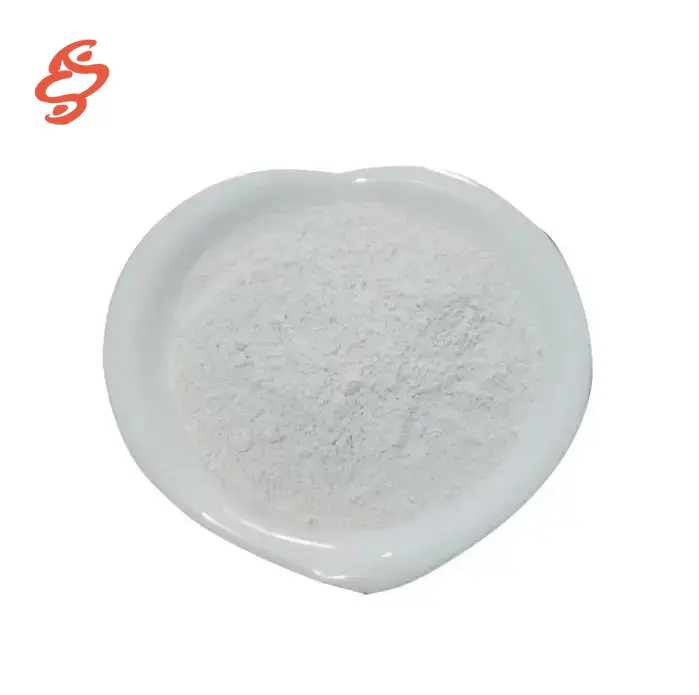
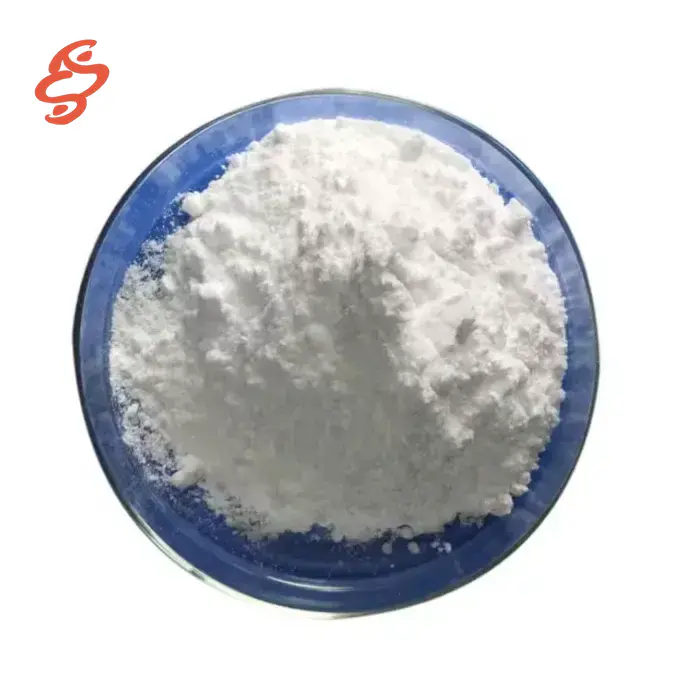
Basic lead carbonate, also known as lead white, white lead powder, C.I. Pigment White 1 (C.I. 77597), has the chemical name dihydroxytrilead dicarbonate, with the molecular formula (PbCO₃)₂·Pb(OH)₂ (also written as Pb₃(CO₃)₂(OH)₂ or C₂H₂O₈Pb₃), and a molecular weight of 775.63. At room temperature, it is a white, heavy powder belonging to the hexagonal crystal system. Its melting point is 400°C (decomposes), and its density is 6.14 g/cm³. Regarding solubility, basic lead carbonate is insoluble in water and ethanol, slightly soluble in aqueous solutions of carbon dioxide, and soluble in acetic acid, nitric acid, and sodium hydroxide solutions. Industrially, basic lead carbonate is mainly synthesized through chemical precipitation, using lead nitrate and sodium bicarbonate as raw materials via a precipitation reaction. Alternatively, it can be prepared by reacting lead acetate and lead oxide with carbon dioxide, followed by precipitation, crystallization, washing, and drying. Basic lead carbonate is one of the earliest artificially synthesized white pigments in human history and has been used as a white pigment and in cosmetics since ancient times. Its strong film, excellent weather resistance, and rust prevention properties make it valuable in coatings, ceramics, plastics, cosmetics, and batteries.
Applications of Basic Lead Carbonate (CAS#1319-46-6)
Basic lead carbonate is an important inorganic white pigment and multifunctional chemical raw material, widely used in coatings, plastics, ceramics, glass, batteries, and cosmetics industries.
In the coatings and paints industry, basic lead carbonate is an important white pigment for producing varnishes, rust-preventive paints, and outdoor paints. Due to its excellent hiding power, durability, and weather resistance, basic lead carbonate is widely used as a pigment and preservative in industrial coatings. The recommended addition level in amino or acrylic baking varnishes is 2%–8%, and it can be used for coating automobiles, motorcycles, bicycles, furniture, etc. Coatings produced with lead white have a strong film with excellent weather resistance and rust prevention, and it is still used in the coatings industry as a white pigment for producing varnishes, rust-preventive paints, and outdoor paints.
In the plastics industry, basic lead carbonate is used as a heat stabilizer and light stabilizer for polyvinyl chloride (PVC). It improves the UV resistance of plastics, extends their service life, and improves processing performance. It is used in rigid PVC applications such as pipes, conduits, and cable insulation materials.
Product Information
Safety Information
Factory Showcase



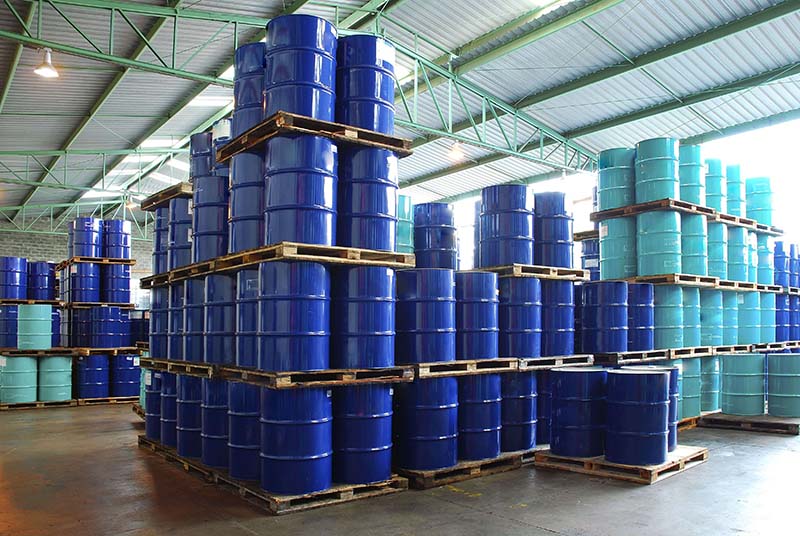
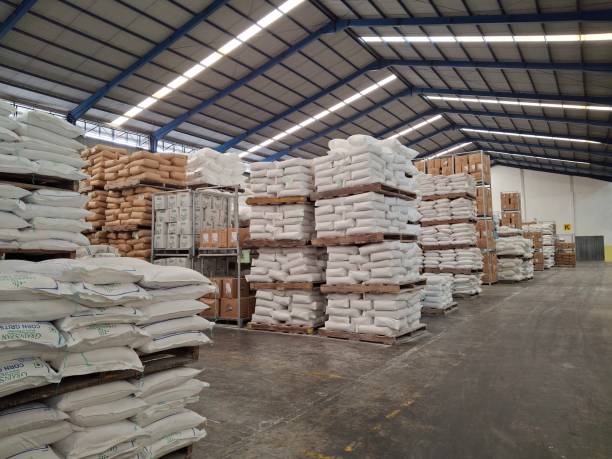
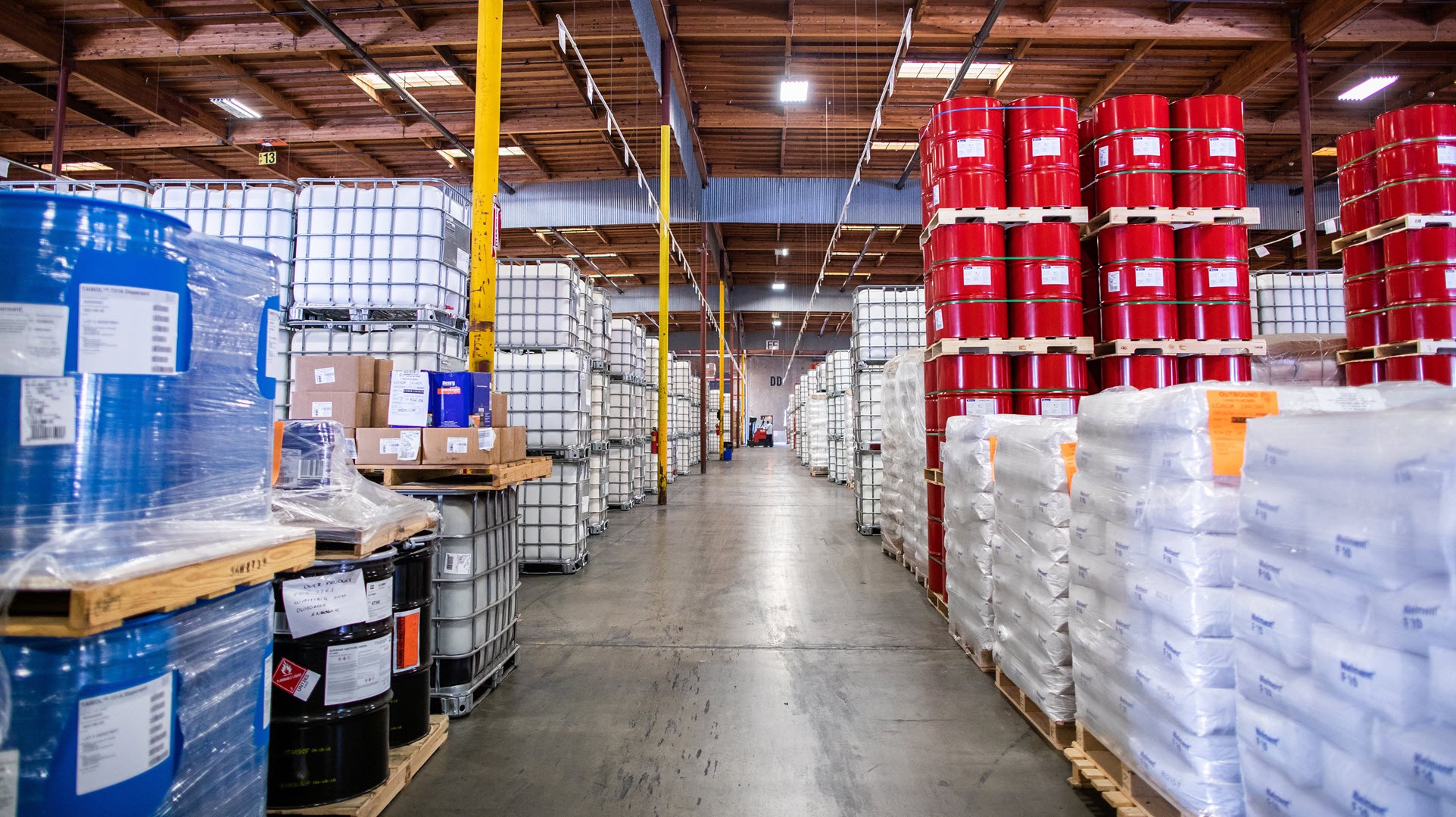
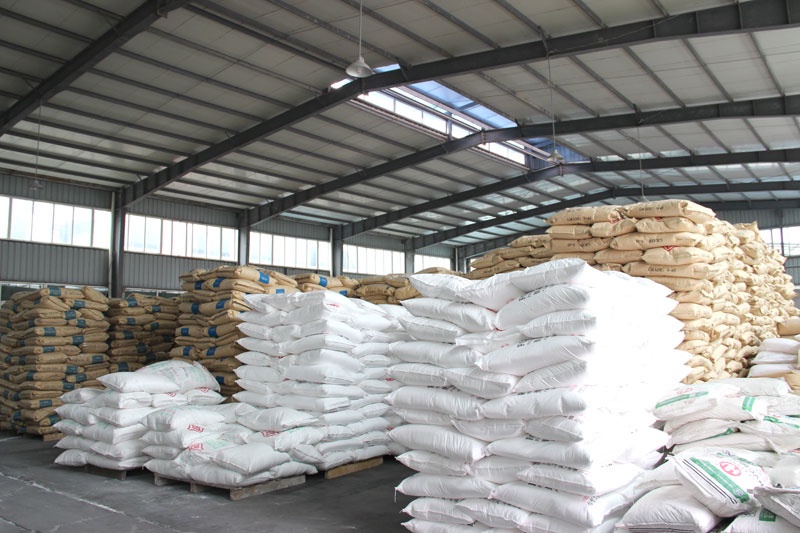
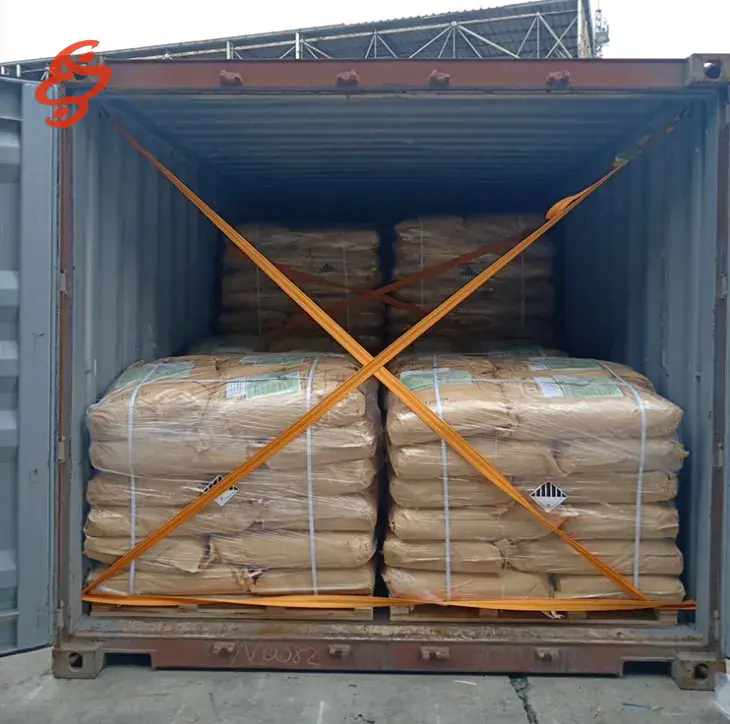
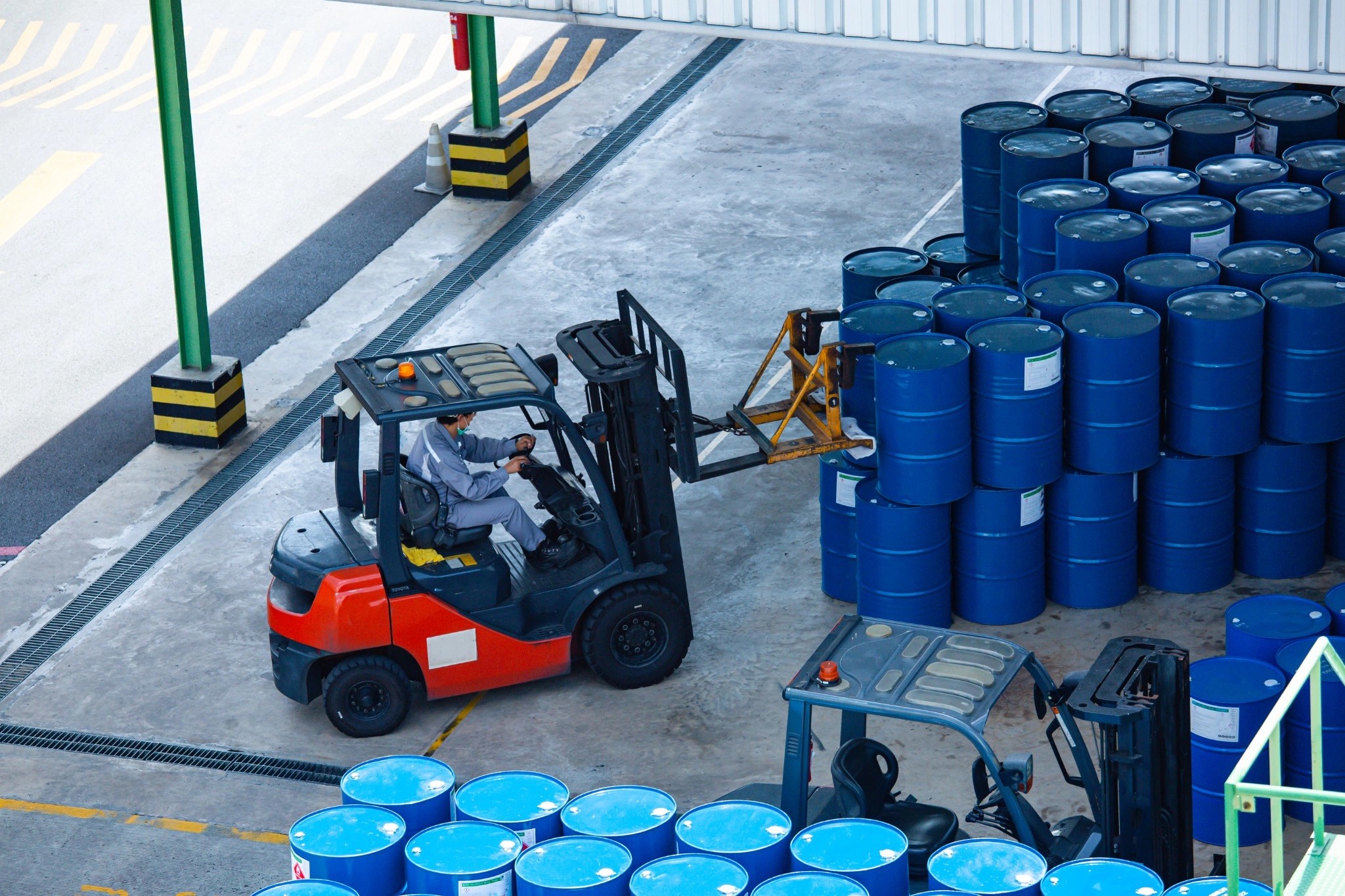
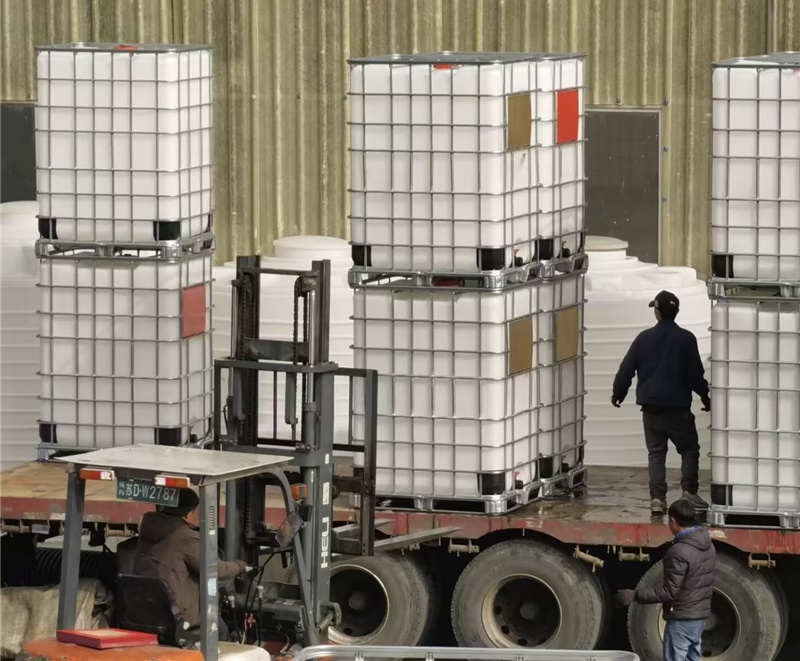
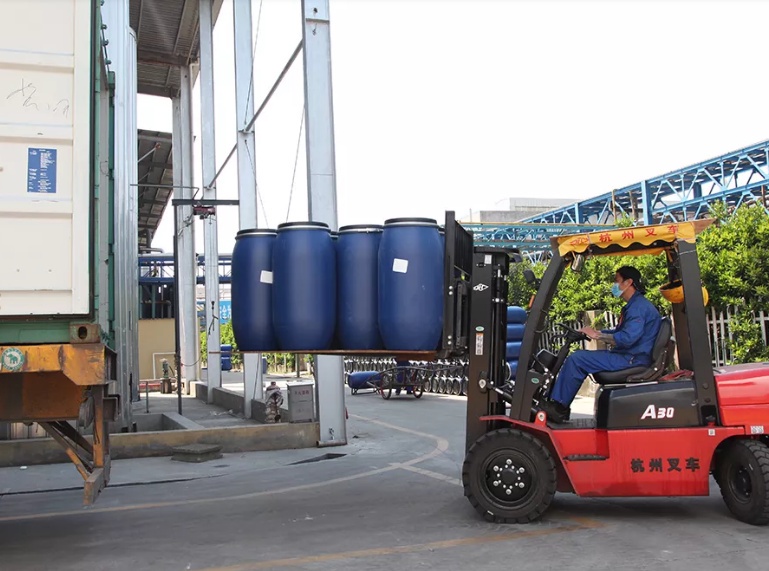
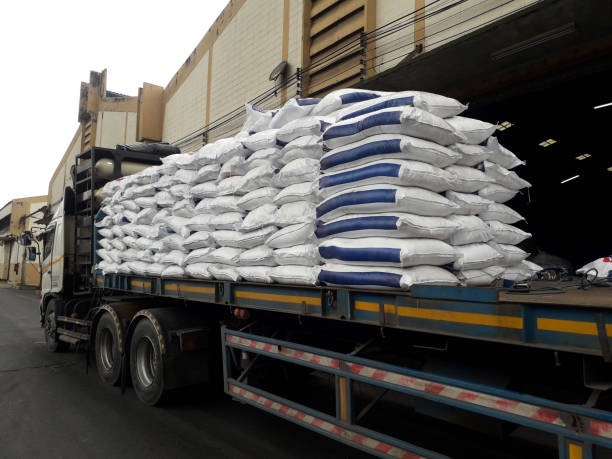
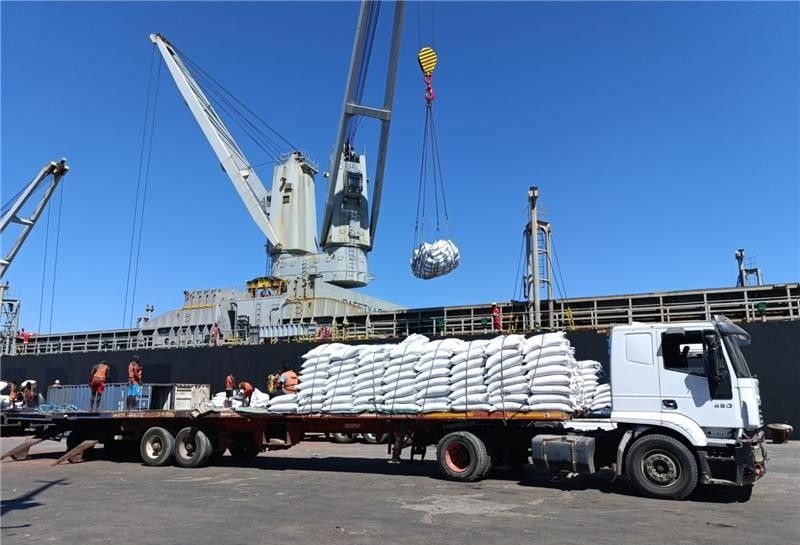
Loading and Transport



Product Inquiry
Product Information
Send Us Your Inquiry Today

Luxi Chemical is a professional chemical product supplier with ample stock of all chemical categories and excellent quality, welcome your purchase inquiry.