










Products
‹
›
‹

›
Methyl Red
Sensitive and accurate acid-base indication: Methyl red is a pH-sensitive acid-base indicator and colorimetric reagent with a color change range of pH 4.4 (red) to 6.2 (yellow). It exhibits a sharp color change and a clear endpoint. With a pKa of 5.1, it is most sensitive in the weakly acidic to neutral range, making it an indispensable indicator in acid-base titrations.
Reversible protonation color change mechanism: Methyl red achieves its color change through a reversible structural change of protonation (red, pH < 4.4) and deprotonation (yellow, pH > 6.2). The color change process is completely reversible and reusable, ensuring the reliability and reproducibility of analytical results.
Excellent visible spectral characteristics: Methyl red exhibits characteristic maximum absorption wavelengths (λmax 523–528 nm and 427–437 nm) under acidic (pH 4.5) and alkaline (pH 6.2) conditions, facilitating quantitative analysis by spectrophotometry. Furthermore, methyl red exhibits detectable fluorescence in a 1:1 water:methanol solution (pH 7.0).
It has good ethanol solubility and stability: methyl red is readily soluble in ethanol and is commonly used as a 0.1% ethanol solution. It is chemically stable but incompatible with strong oxidizing agents. It should be noted that the sensitivity of the ethanol solution may significantly decrease after prolonged storage due to esterification of the carboxyl groups.
Product Description
Methyl Red Product Description CAS#493-52-7
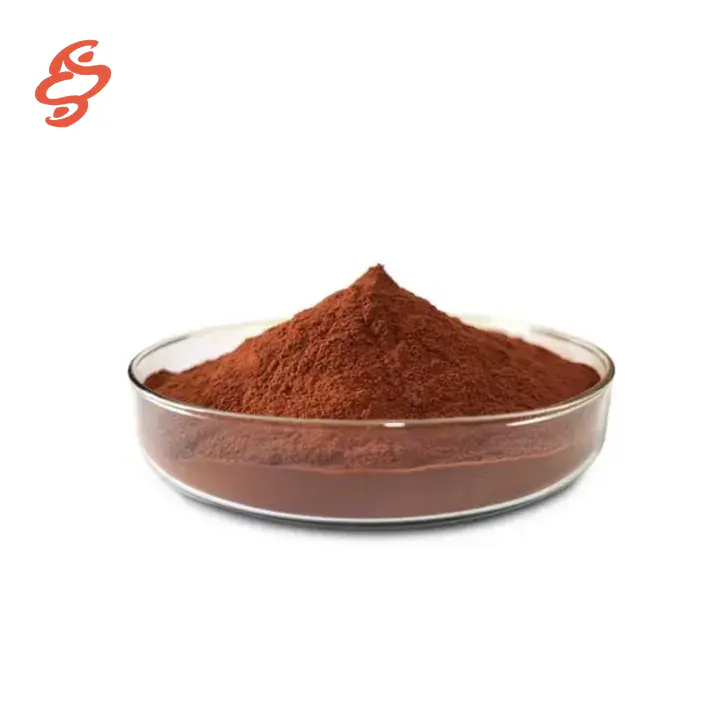
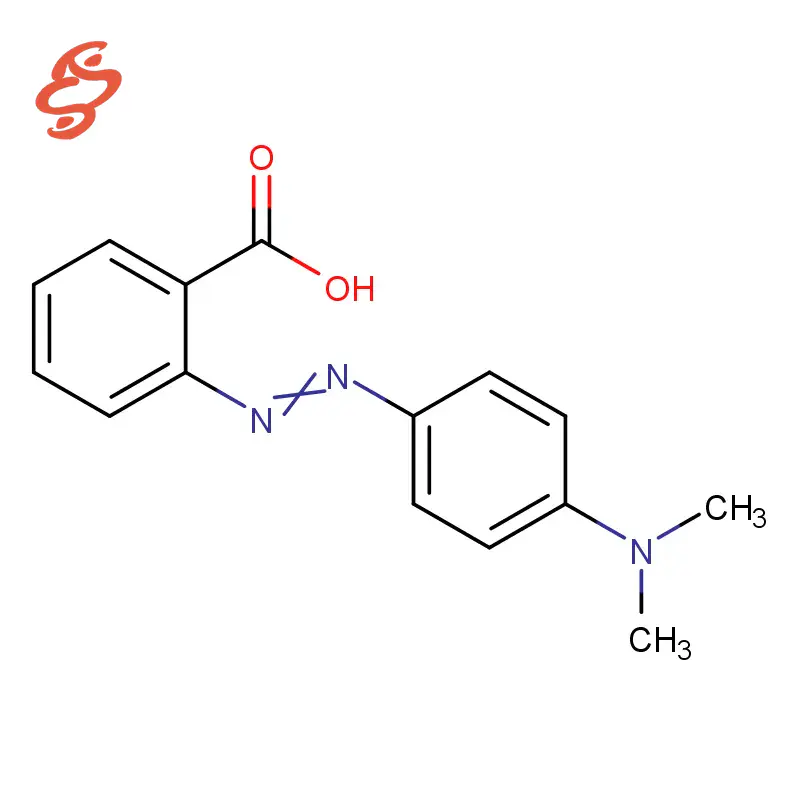
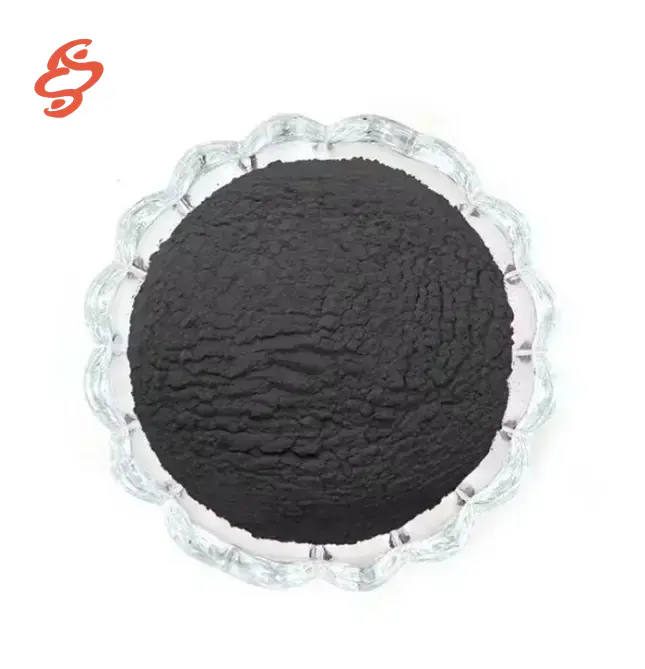
Methyl Red, also known as Acid Red 2, p-dimethylaminoazobenzoic acid, C.I. 13020, has the chemical name 2-[[4-(dimethylamino)phenyl]azo]benzoic acid, with the molecular formula C₁₅H₁₅N₃O₂ and a molecular weight of 269.30. At room temperature, it is a lustrous purplish-red crystal or reddish-brown powder. Its melting point is 178–182°C. In terms of solubility, methyl red is almost insoluble in water but soluble in ethanol and acetic acid. Industrially, methyl red is prepared by diazotizing anthranilic acid and then coupling it with dimethylaniline. Methyl red is a typical azo dye; its molecular structure contains an azo group (-N=N-) and a carboxyl group (-COOH), giving it unique acid-base color-changing properties. Methyl red enables the visual determination of titration endpoints through reversible structural changes of protonation (red, pH < 4.4) and deprotonation (yellow, pH > 6.2). Methyl red is one of the most commonly used acid-base indicators globally, and its sensitive color-changing properties and low cost make it widely applicable in analytical chemistry, microbiology, biology, and materials science.
Methyl Red Product Applications CAS#493-52-7
Methyl red is an important acid-base indicator, biological stain, and functional dye, widely used in analytical chemistry, microbiology, biology, food science, and materials science.
In analytical chemistry, methyl red is one of the most commonly used acid-base indicators. Its pH color change range is 4.4 (red) to 6.2 (yellow), with a pKa of 5.1. It is commonly used for titrating ammonia, weak organic bases, and alkaloids, but not suitable for organic acids other than oxalic acid and picric acid. Methyl red can be combined with bromocresol green and methylene blue to form mixed indicators, shortening the color change range and improving the sensitivity of the color change. It can also be used as an adsorption indicator for precipitation titrations, such as the titration of fluoride ions with thorium nitrate. In addition, methyl red can be used to detect oxidizing agents such as free chlorine and chlorite.
In microbiology, methyl red is widely used in the methyl red (MR) test. This test is used to identify bacteria that produce stable acids through the mixed acid fermentation mechanism of glucose. Methyl red-positive bacteria include Escherichia coli and Proteus vulgaris. Methyl red is also commonly used in the preparation of microbial culture media.
Product Information
Safety Information
Factory Showcase




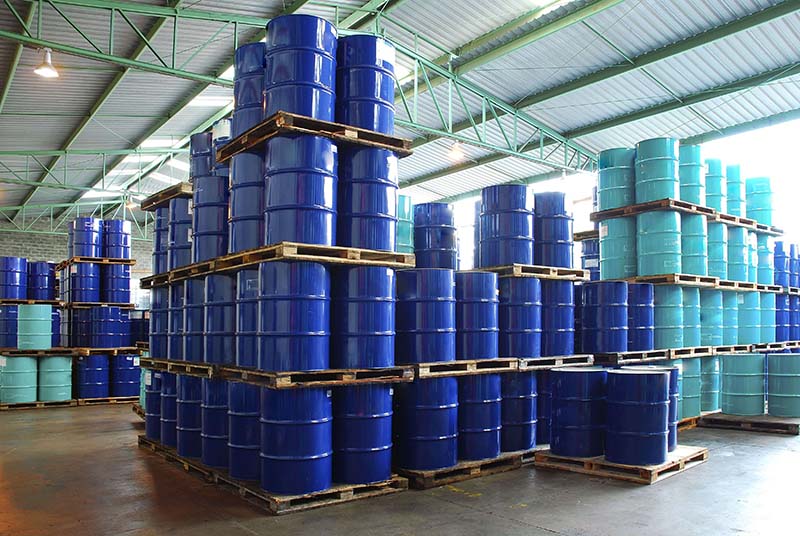
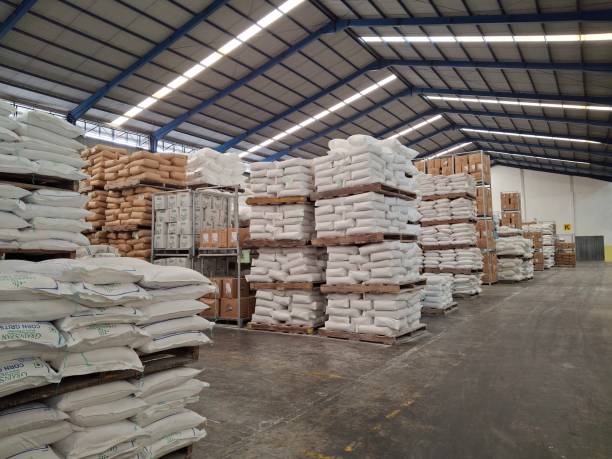
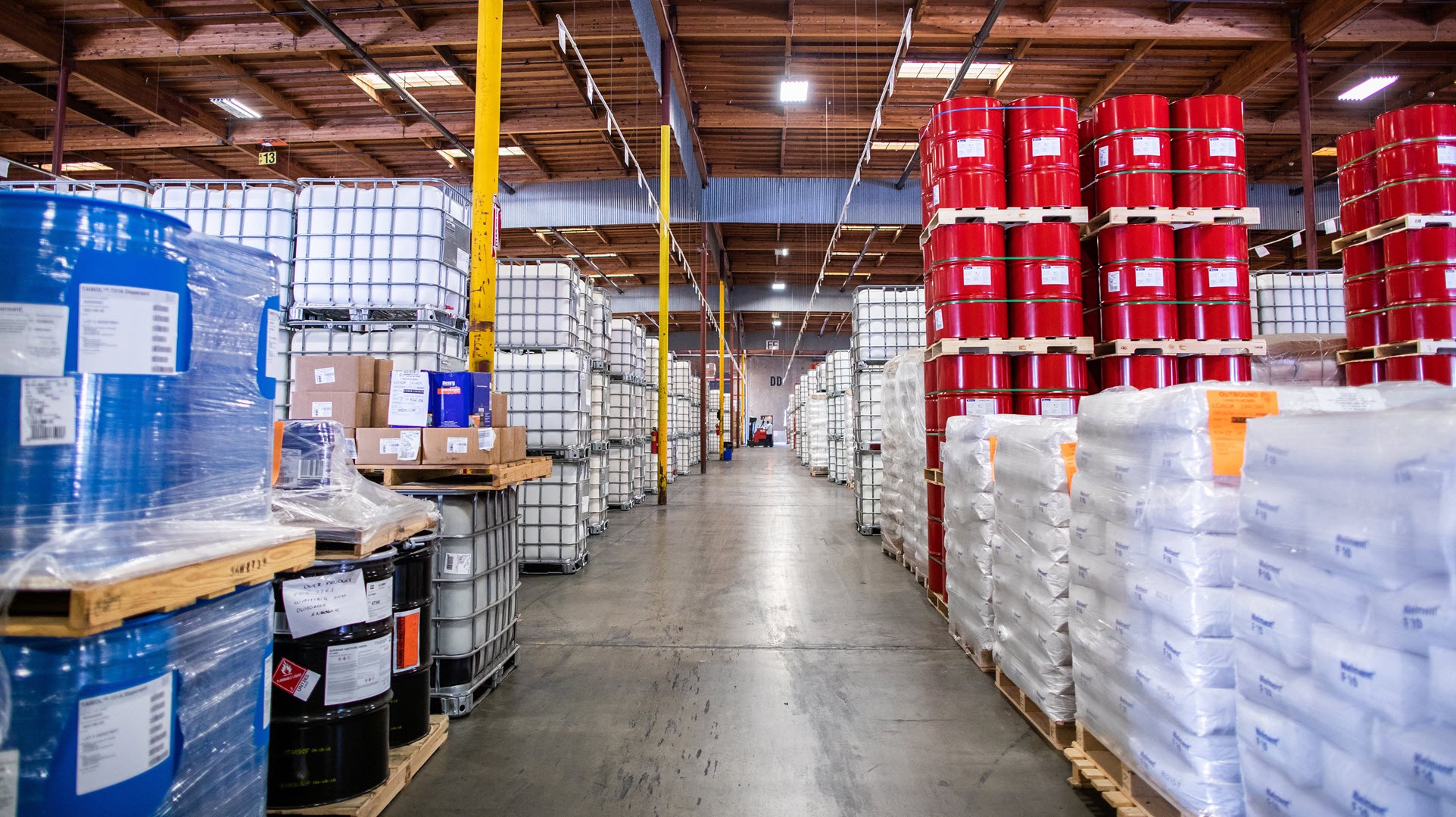

Loading and Transport








Product Inquiry
Product Information
Send Us Your Inquiry Today

Luxi Chemical is a professional chemical product supplier with ample stock of all chemical categories and excellent quality, welcome your purchase inquiry.