










Products
‹
›
‹
›
Aluminum Sulfate
Highly efficient flocculation and water purification performance: As an inorganic polymeric flocculant, aluminum sulfate hydrolyzes to produce aluminum hydroxide flocs, which have a large specific surface area and strong adsorption capacity. It reacts quickly, consumes little reagent, produces large flocs, settles rapidly, has good filterability, and does not cause side effects even with excessive dosage. It is easy to operate and manage. It has a wide applicable pH range and is particularly effective for treating low-temperature, low-turbidity water.
Excellent sizing and reinforcing properties: Aluminum sulfate is the most important sizing agent raw material in the paper industry, significantly enhancing the water resistance and impermeability of paper. Iron-free products can effectively improve paper whiteness, meeting the requirements of high-grade paper production.
Unique acidic hydrolysis characteristics: Aluminum sulfate aqueous solution is acidic; heating promotes hydrolysis and produces aluminum hydroxide precipitate. This property can be used in agriculture to lower soil pH; in textile printing and dyeing, the hydrolysis products can be used to promote dye adhesion.
Good water solubility and compatibility: Aluminum sulfate is readily soluble in water, and its solubility increases significantly with increasing temperature. It has good compatibility with a variety of water treatment agents and papermaking additives, making it easy to use in combination and suitable for processing various water-based systems.
Product Description
Aluminum Sulfate Product Description CAS#10043-01-3
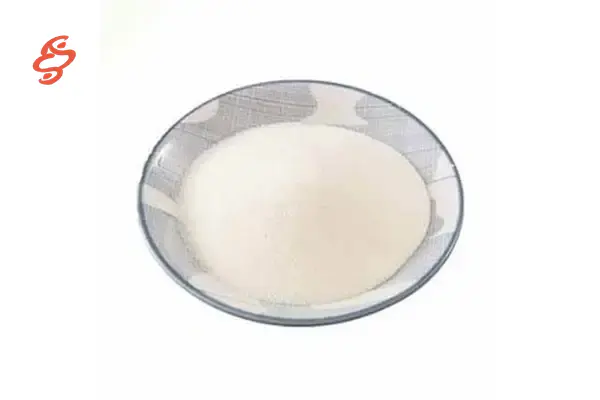
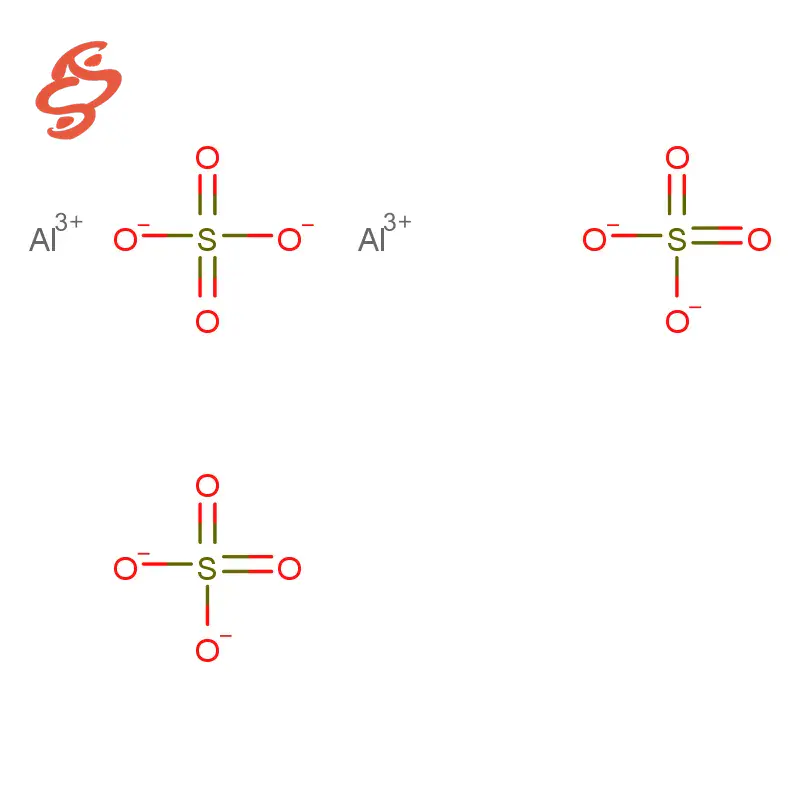
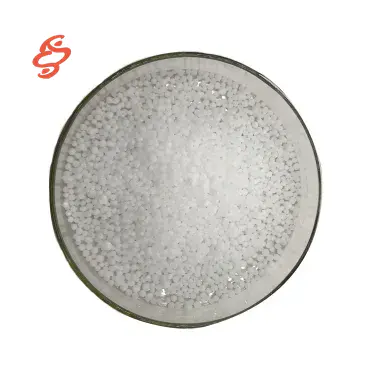
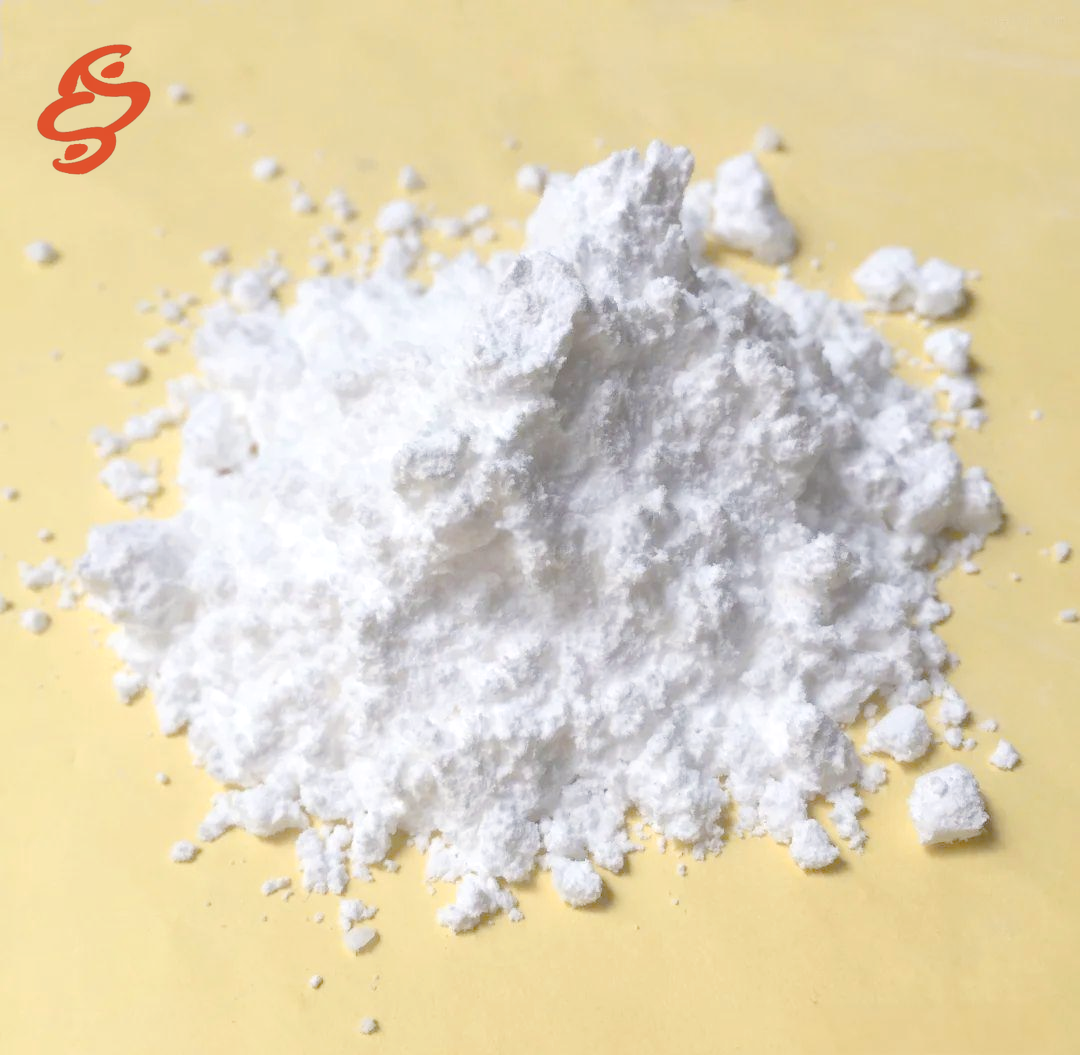
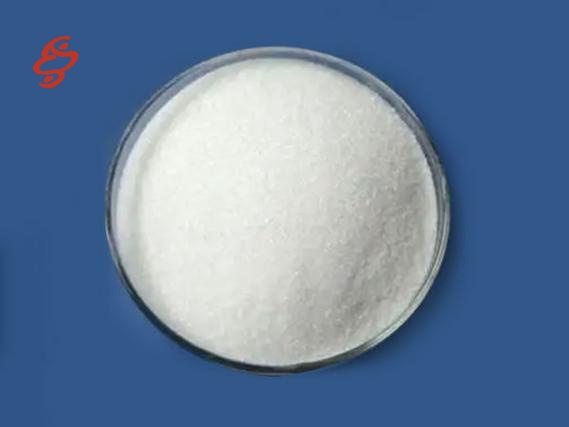
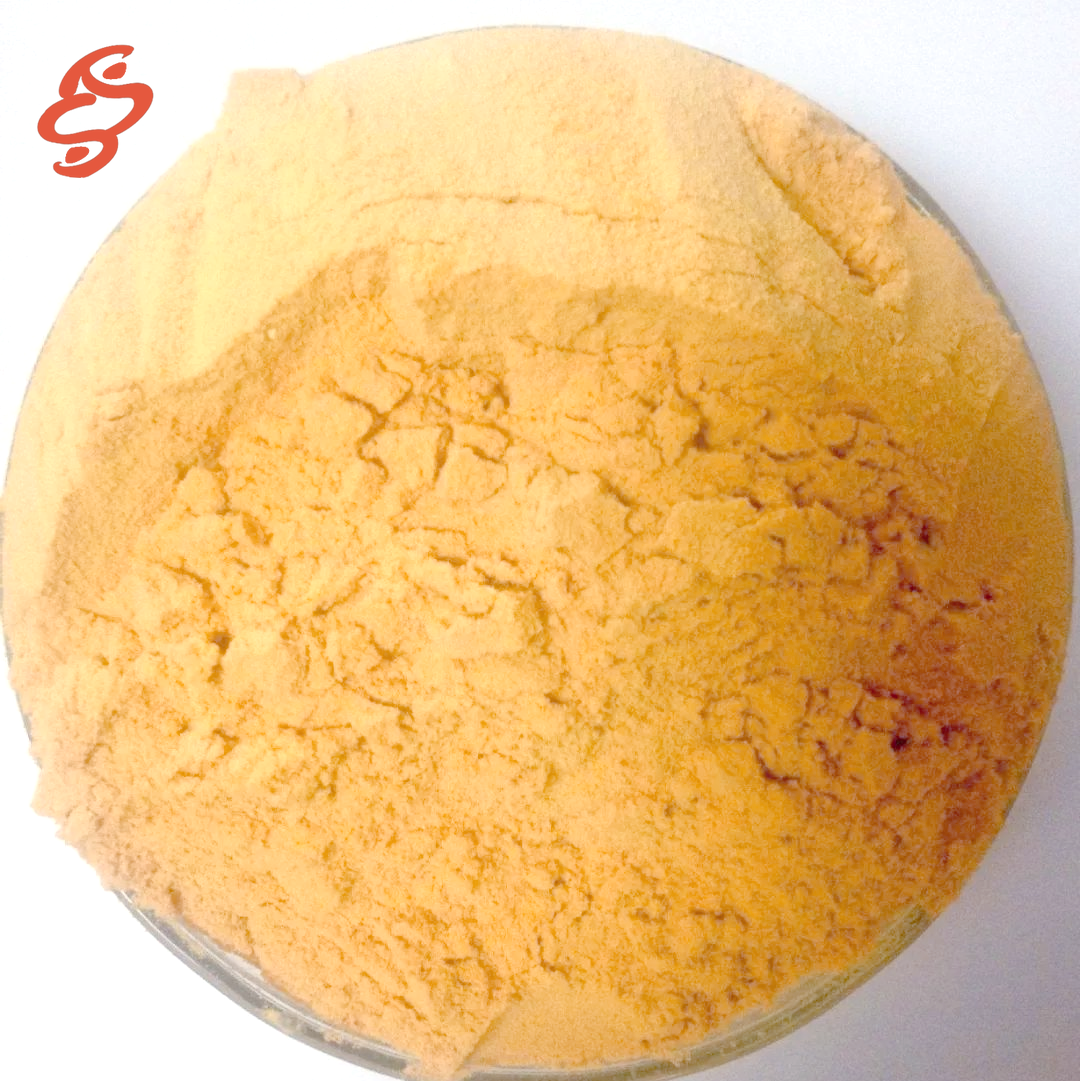
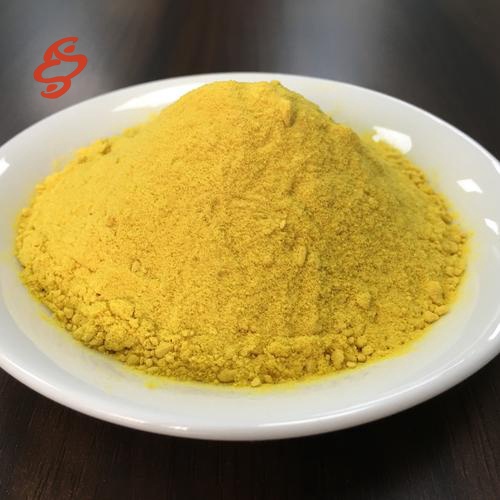
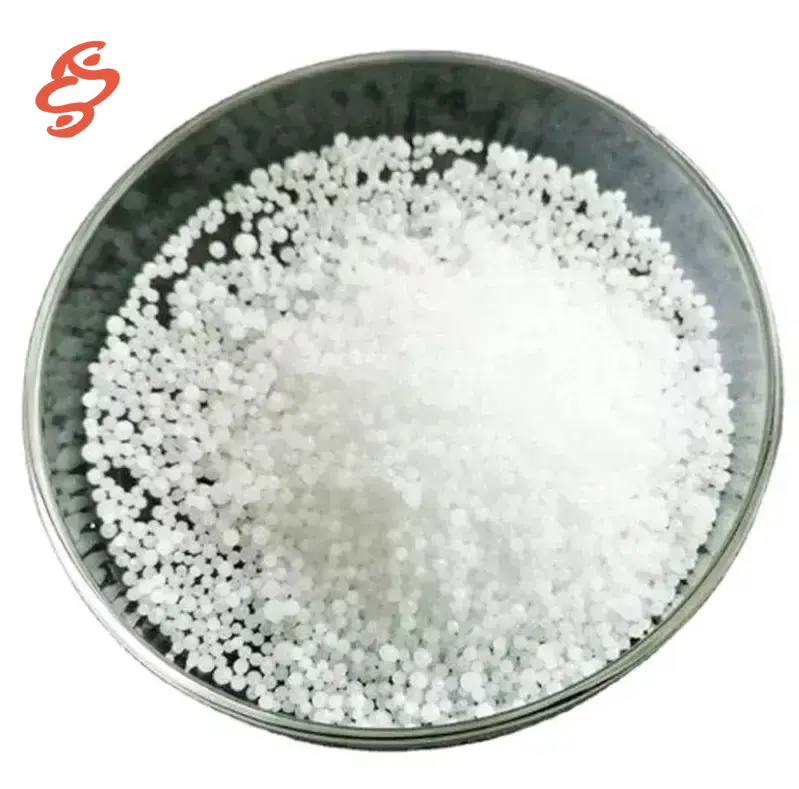
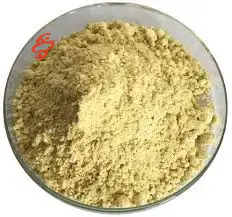
Aluminum sulfate is a common inorganic salt with the chemical formula Al₂(SO₄)₃ and a molecular weight of 342.15. It commonly exists as a hydrated form with the molecular formula Al₂(SO₄)₃·nH₂O, and industrially it is mostly found as the octahydrate Al₂(SO₄)₃·18H₂O. At room temperature, it is a white, odorless, lustrous orthorhombic crystal or powder. Its melting point is 770°C (decomposes), and its density is 2.71 g/cm³. Regarding solubility, aluminum sulfate is readily soluble in water, with a solubility of 31.2 g at 0°C, 36.4 g at 20°C, and up to 89 g at 100°C; it is insoluble in ethanol. Aluminum sulfate is prone to absorbing moisture and clumping when stored in air for extended periods. Its aqueous solution is acidic. It loses its water of crystallization when heated to 250°C and begins to decompose at 530°C, with the final product being γ-Al₂O₃. Industrially, aluminum sulfate is primarily produced via the sulfuric acid process: bauxite is crushed to a specific particle size and reacted with sulfuric acid in a reactor. The reaction solution is then settled, neutralized, concentrated, cooled, solidified, and pulverized to obtain the final product. Alternatively, it can be produced by crystallizing aluminum hydroxide after reacting with sulfuric acid. Aluminum sulfate is one of the world's most produced aluminum salts. Its excellent flocculation properties and wide industrial applicability make it irreplaceable in numerous fields, including water treatment, papermaking, textiles, chemicals, daily chemicals, and agriculture.
Aluminum Sulfate Product Applications CAS#10043-01-3
Aluminum sulfate is an important inorganic chemical raw material and multifunctional chemical, widely used in water treatment, papermaking, textiles, chemicals, daily chemicals, agriculture, and food industries.
In water treatment, aluminum sulfate is one of the most commonly used inorganic flocculants, used as a water purification agent and flocculant in drinking water or industrial wastewater. Its hydrolysis produces aluminum hydroxide flocs that can coat suspended particles in water, promoting rapid sedimentation and separation. It is widely used in the purification of drinking water, industrial water, and wastewater, especially effective for water with low temperature, low turbidity, and high pH values. It can also remove color and algae from water. Aluminum sulfate is also a good defluoridator.
In the papermaking industry, aluminum sulfate is the largest application area, accounting for approximately 50% of total production. It is used as a filler, precipitant, and finishing agent in the papermaking industry (for rosin sizing, allowing color to adhere to the paper surface). Iron-free grade is used in high-grade paper sizing agents (to improve whiteness), while low-iron grade is used in ordinary paper production.
Product Information
Chemical Properties
Safety Information
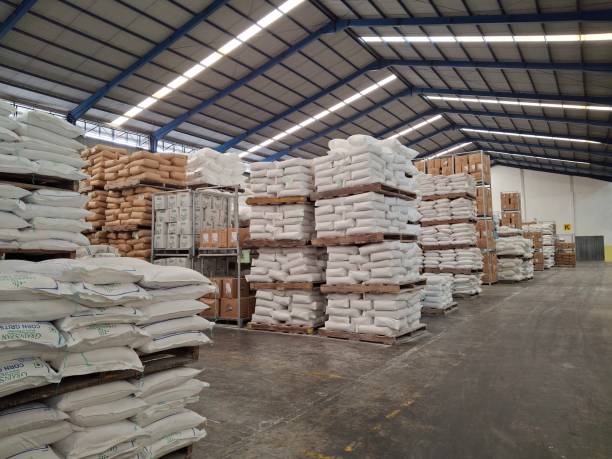
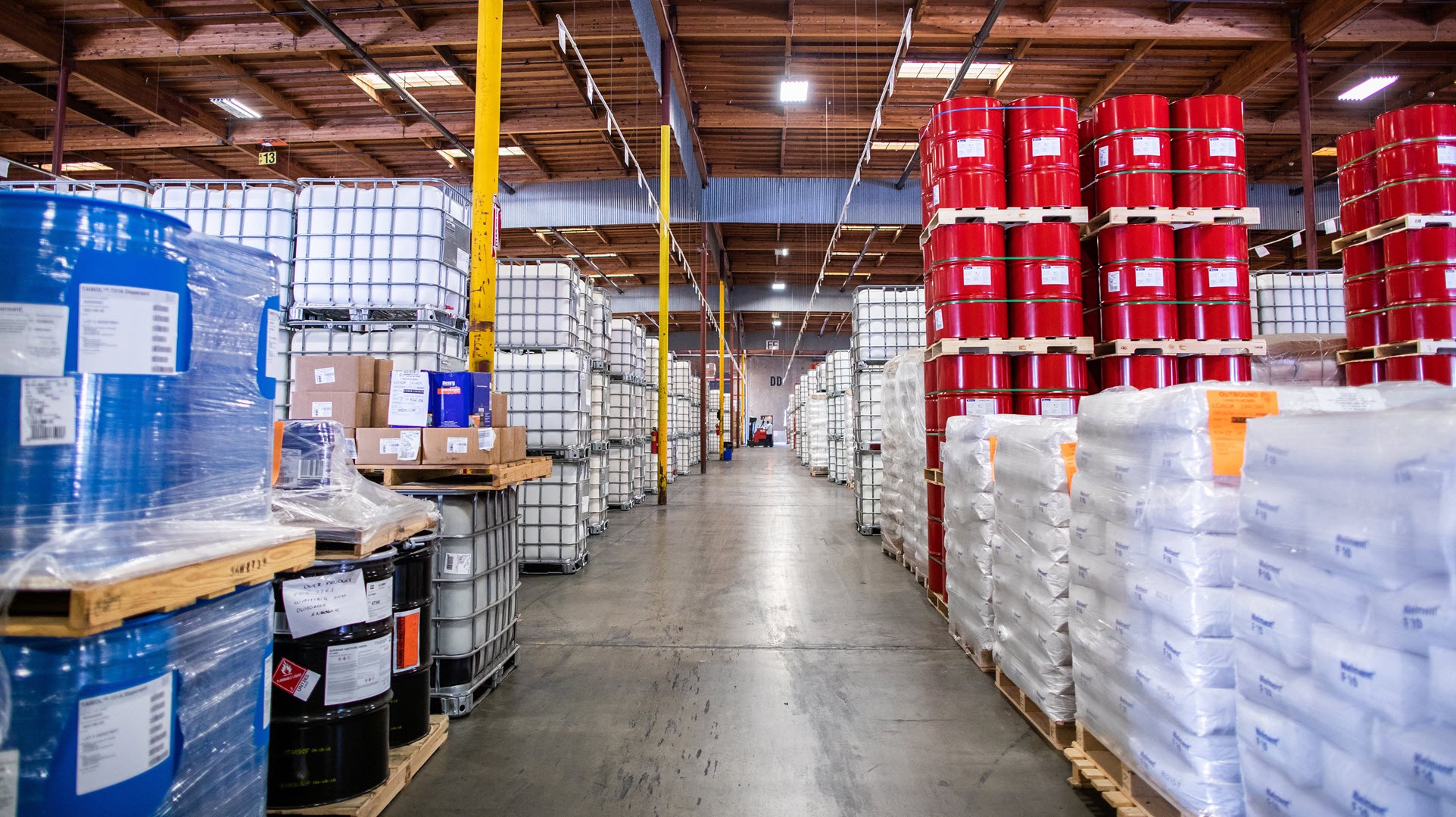
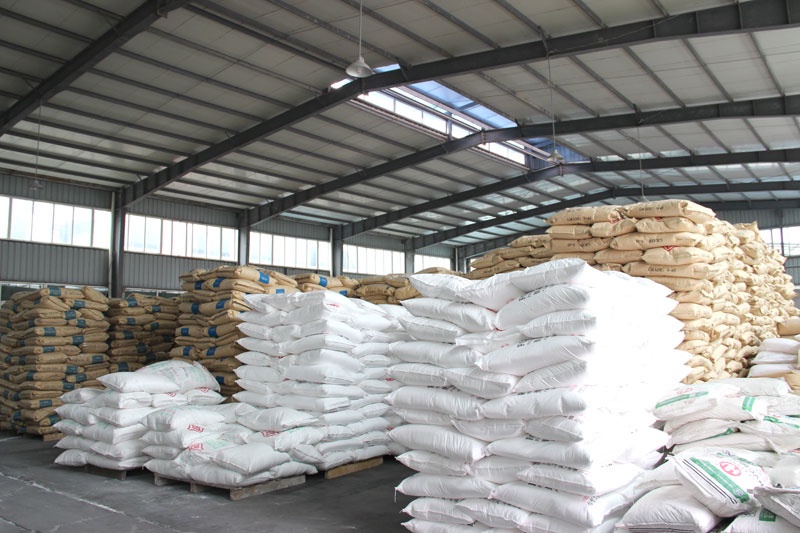
Factory Showcase
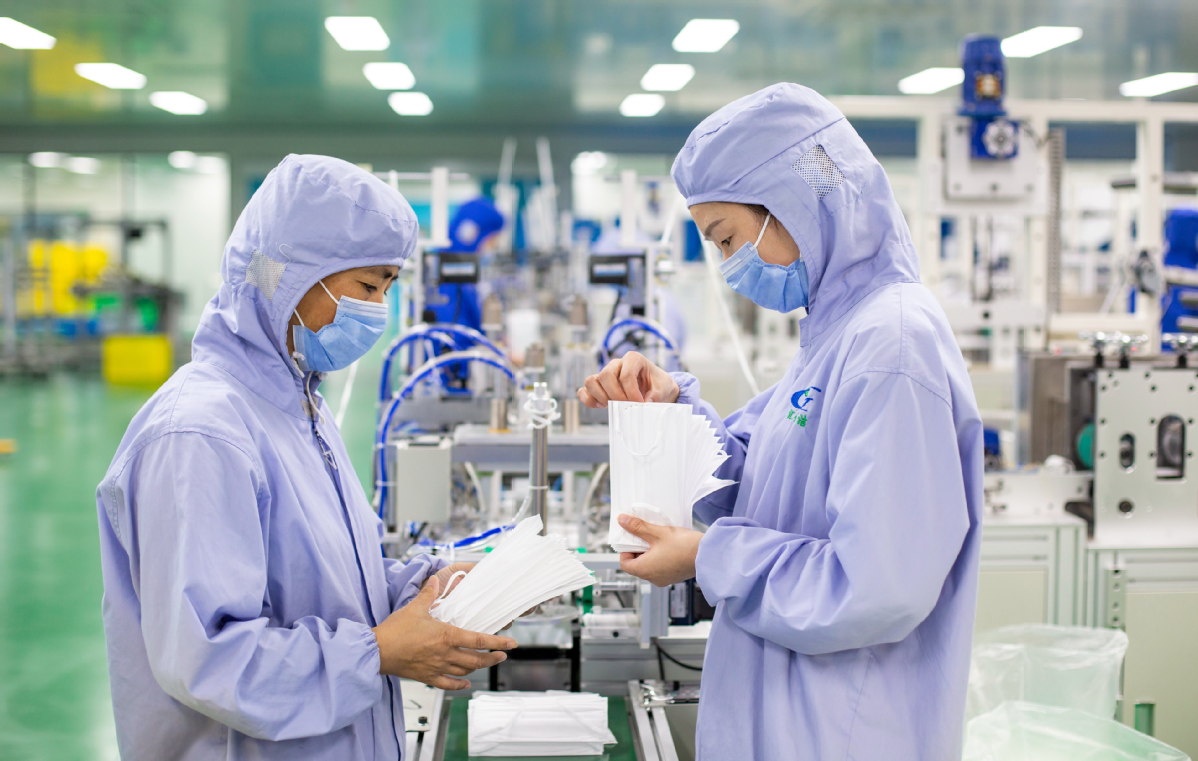
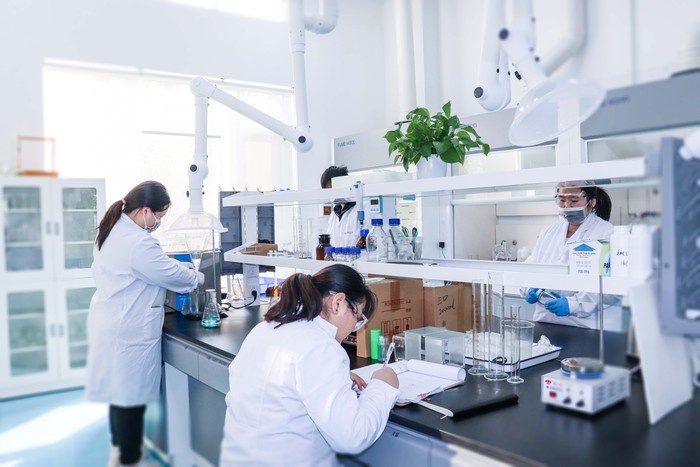
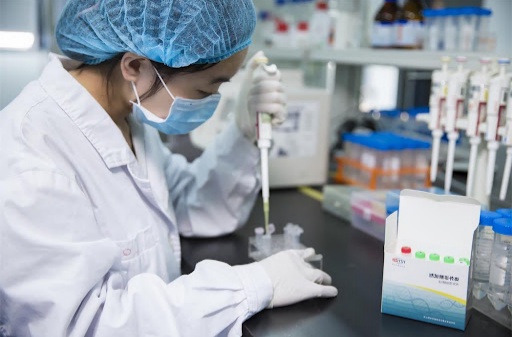
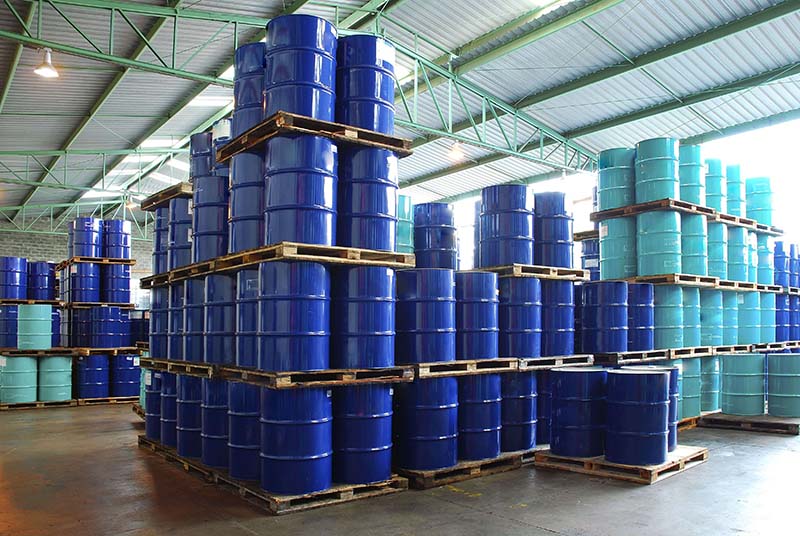
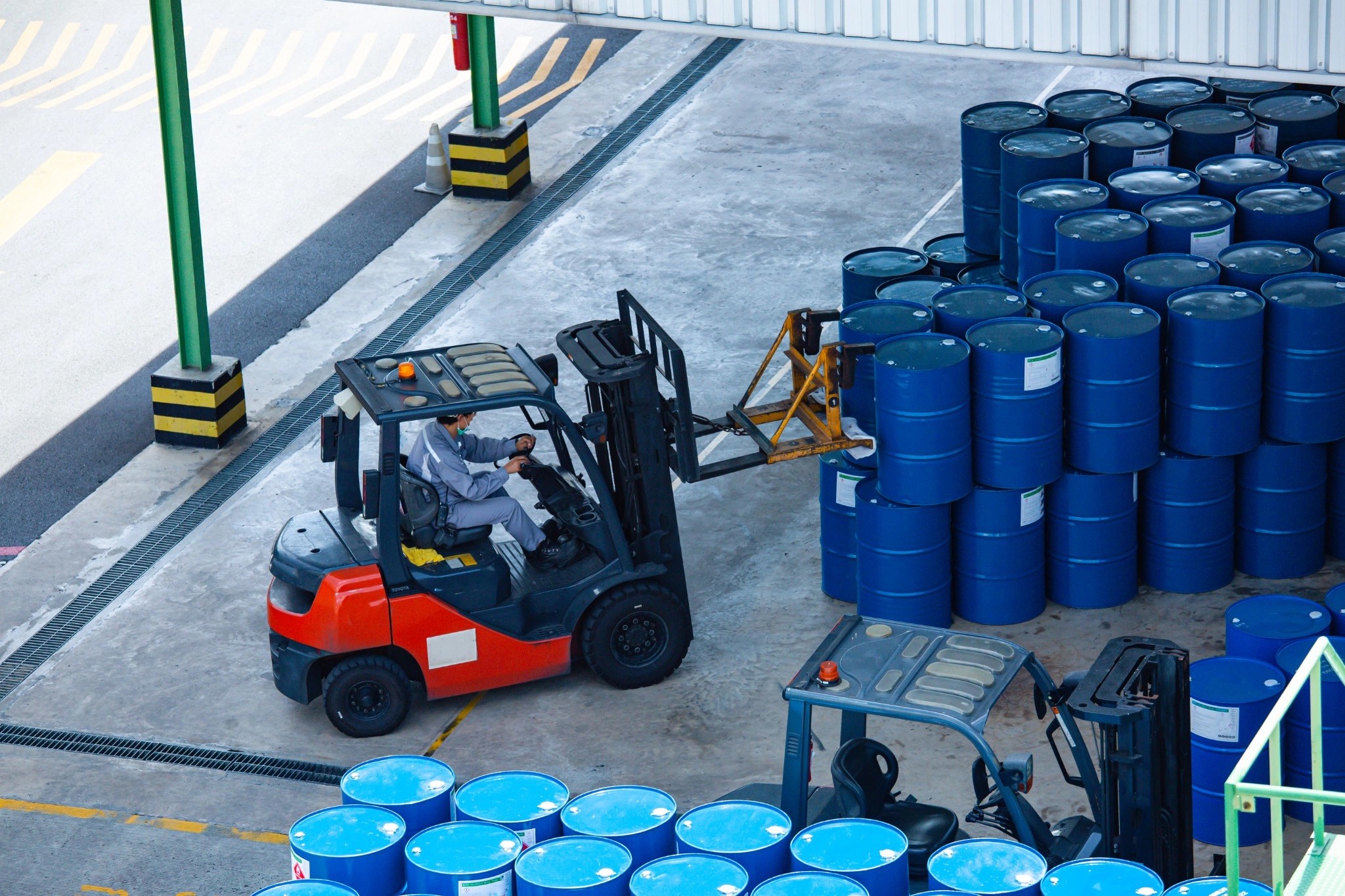
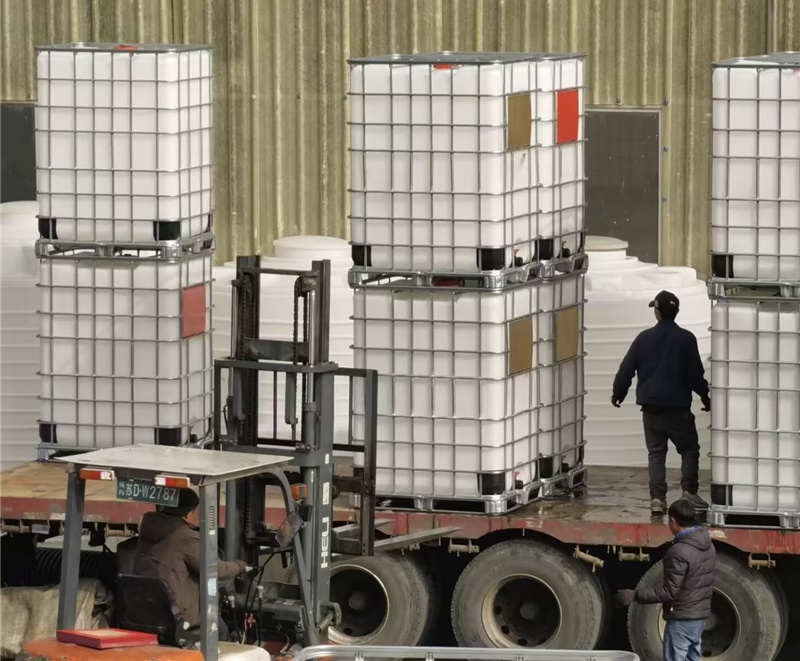
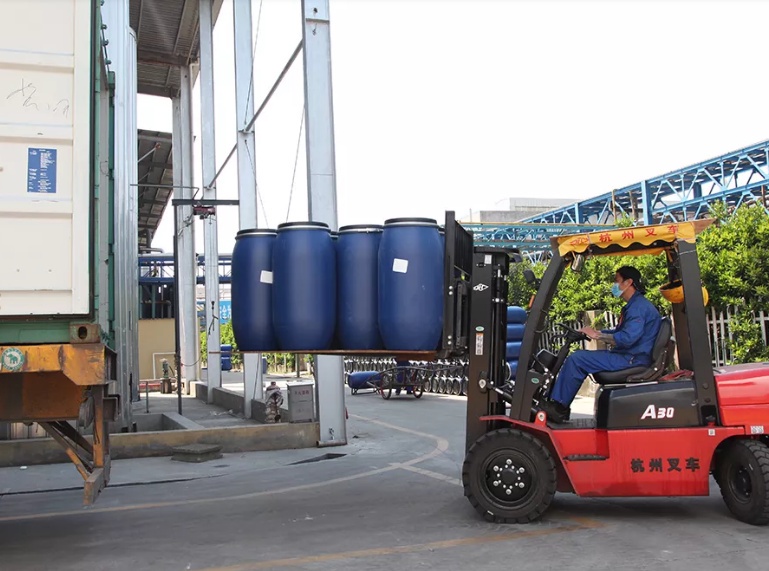
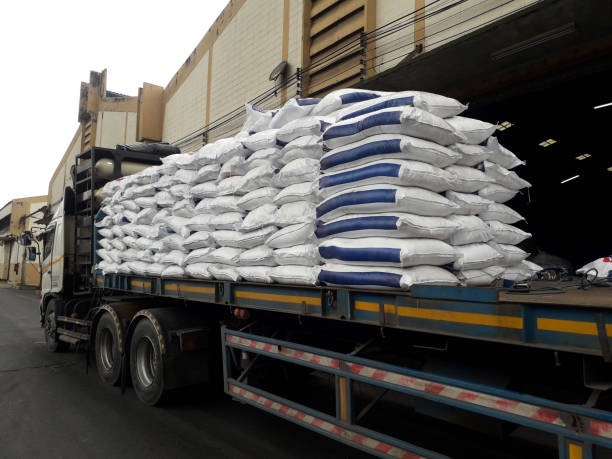
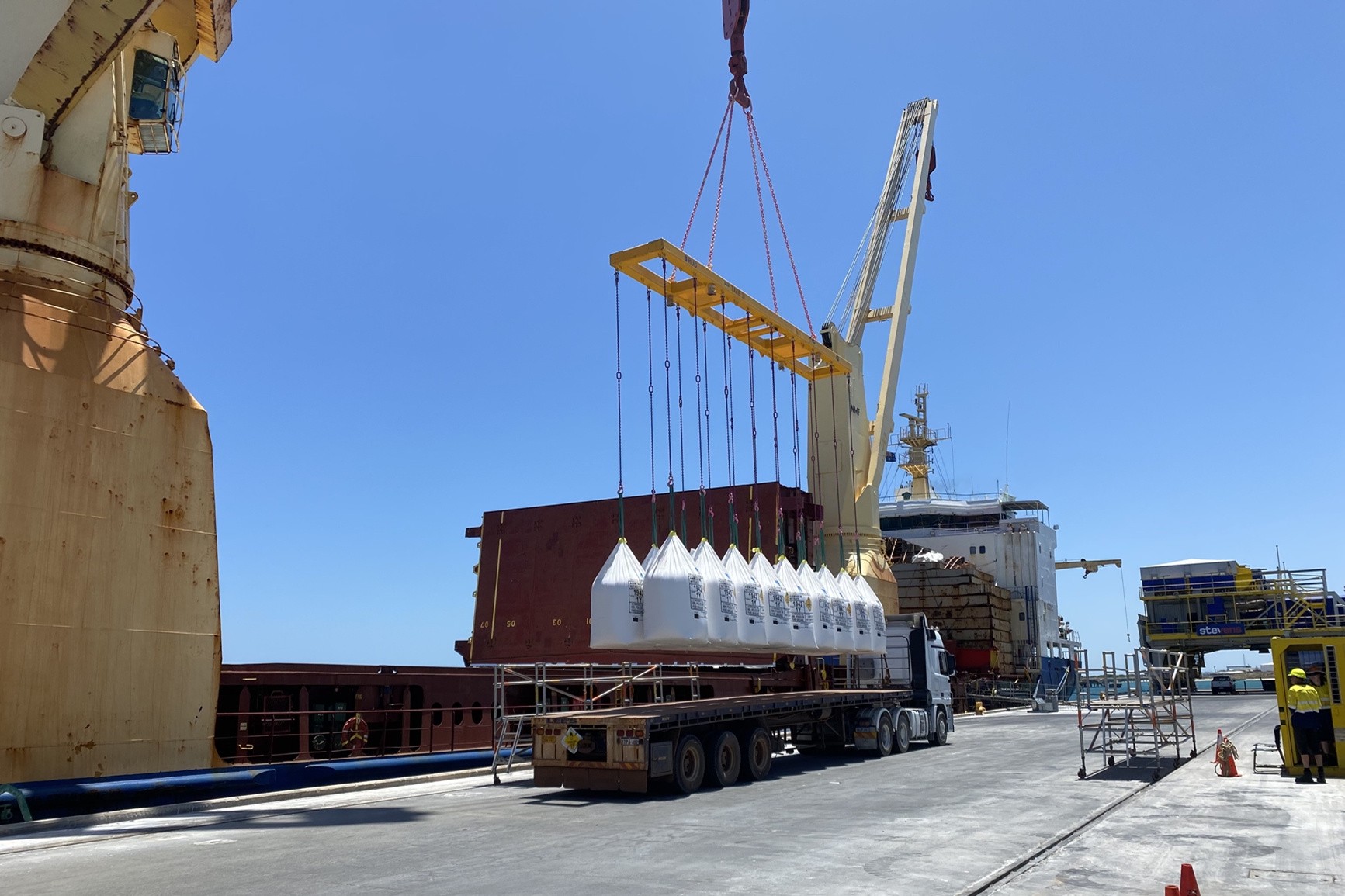
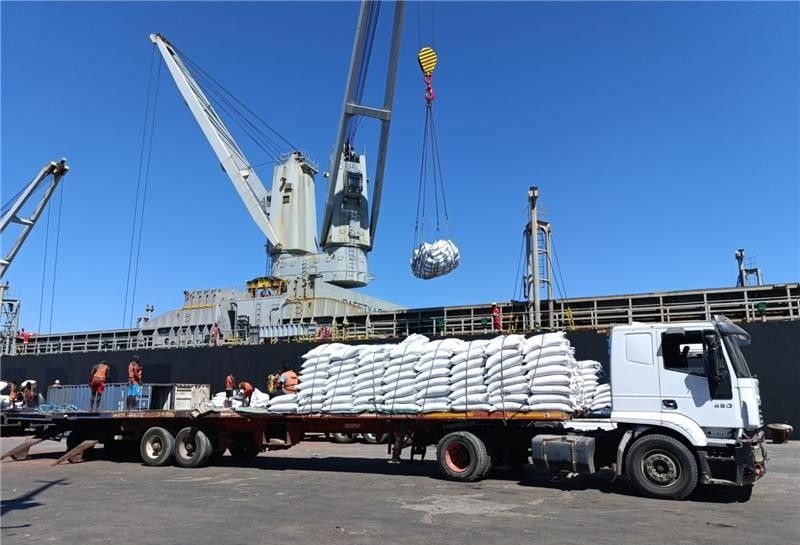
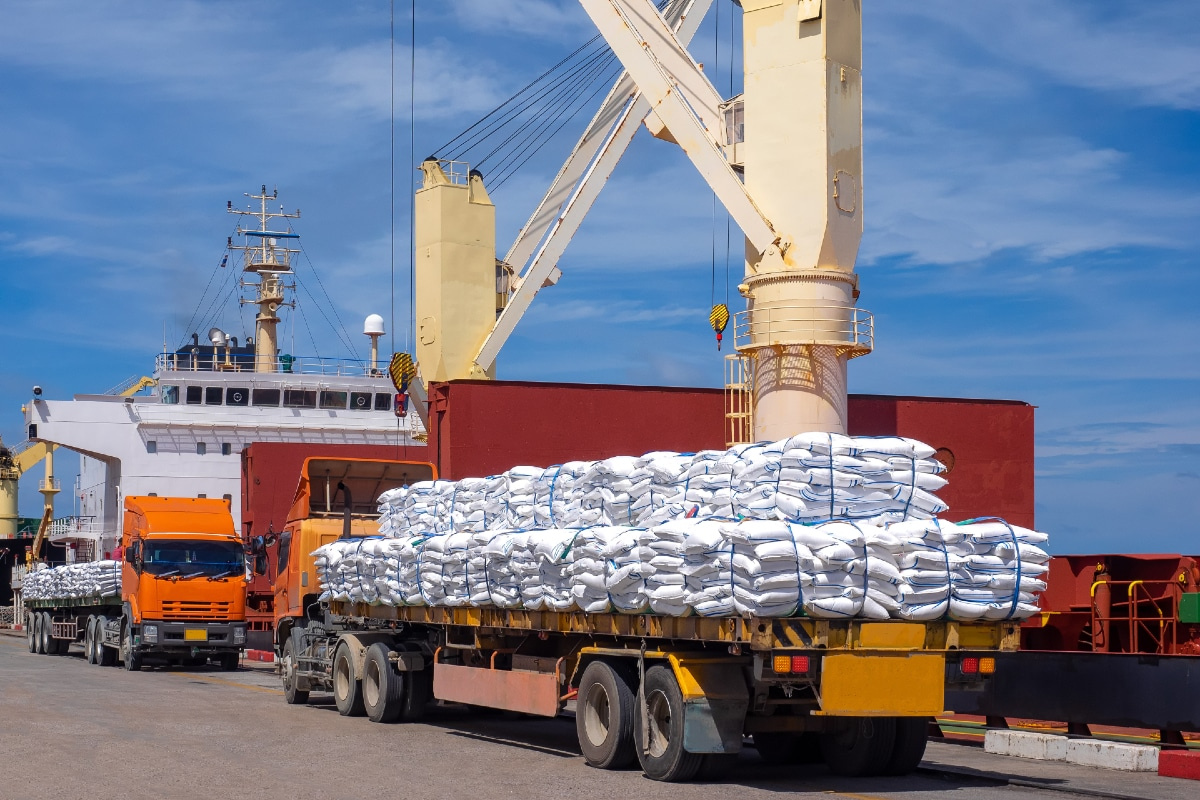
Loading and Transport

Product Inquiry
Product Information
Send Us Your Inquiry Today

Luxi Chemical is a professional chemical product supplier with ample stock of all chemical categories and excellent quality, welcome your purchase inquiry.