










Products
‹
›
‹
›
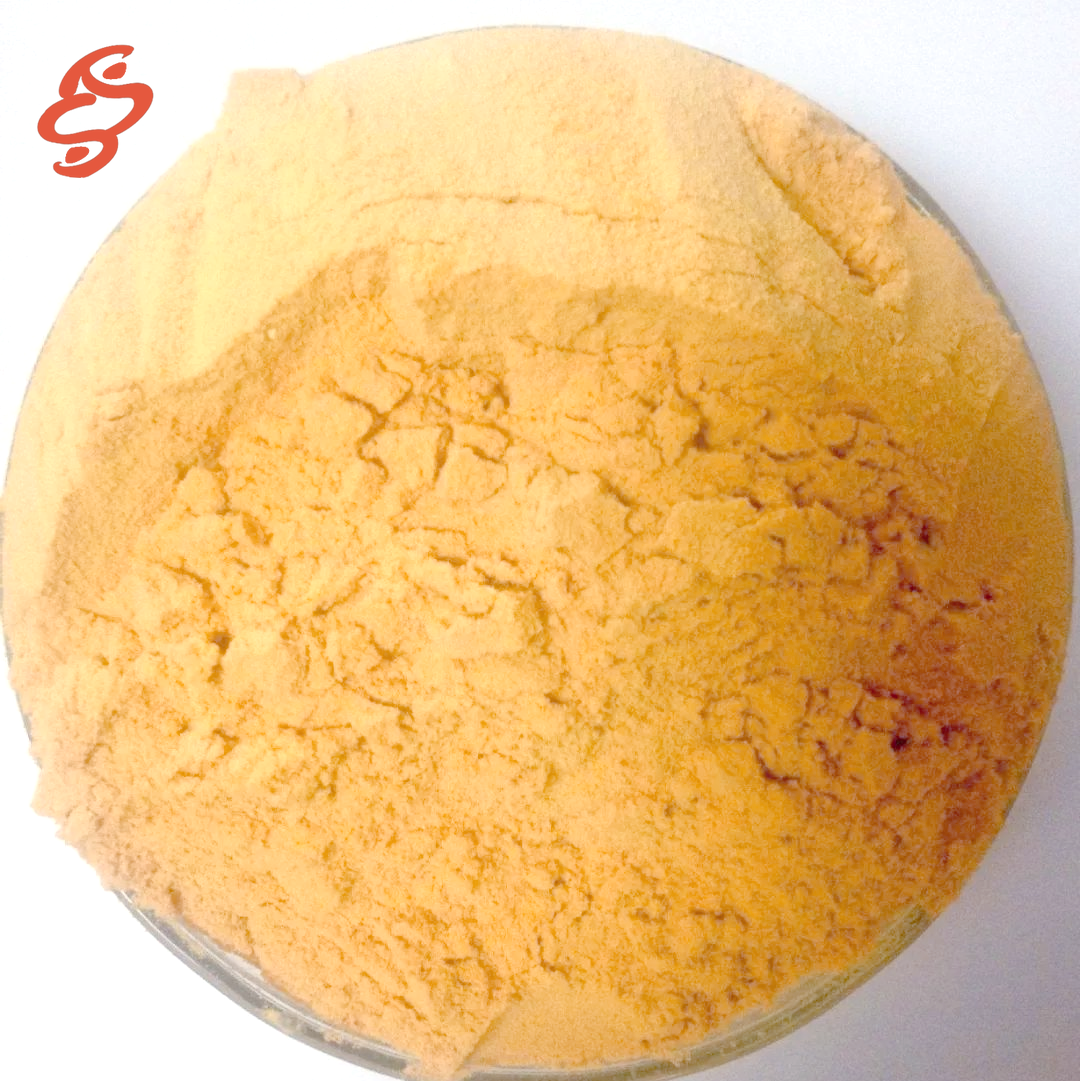
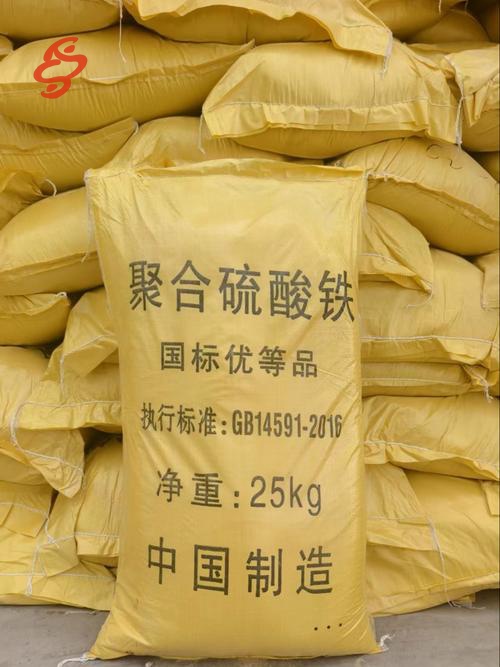
Polyferric Sulfate
Highly efficient flocculation and rapid sedimentation: Polyferric sulfate hydrolyzes to generate high-valence polynuclear complex ions, resulting in large flocs, rapid sedimentation, and a wide adaptability to various water qualities, requiring relatively low dosage.
Wide pH range: Polyferric sulfate is suitable for a wide pH range (4–11). It is highly effective in purifying slightly polluted, algae-containing, low-temperature, and low-turbidity raw water.
Significant cost advantage: Treatment costs are 20%–50% lower than traditional chemicals. It does not contain harmful substances such as aluminum or chlorine, and will not cause secondary pollution after use.
Multiple purification functions: Polyferric sulfate has multiple functions including turbidity removal, decolorization, and removal of COD/BOD and heavy metal ions. It has excellent removal effects on suspended solids, organic matter, and color in water.
Product Description
Polyferric Sulfate Product Description CAS#10028-22-5 / 1327-41-9
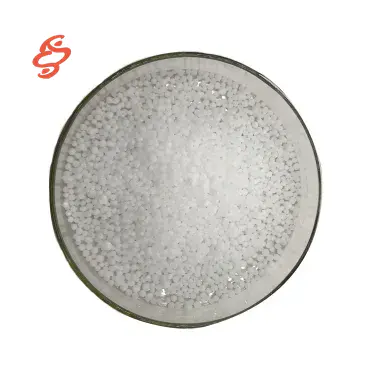
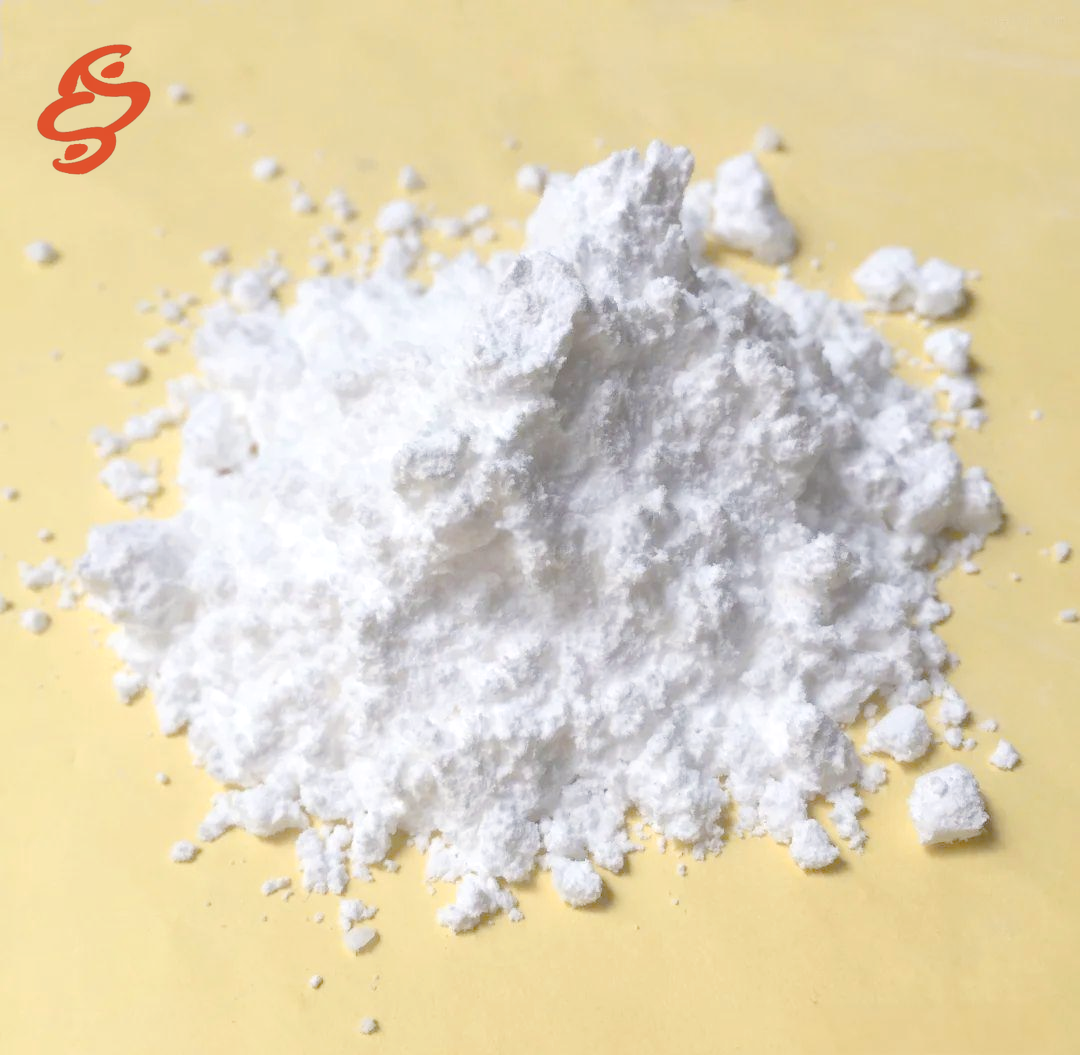
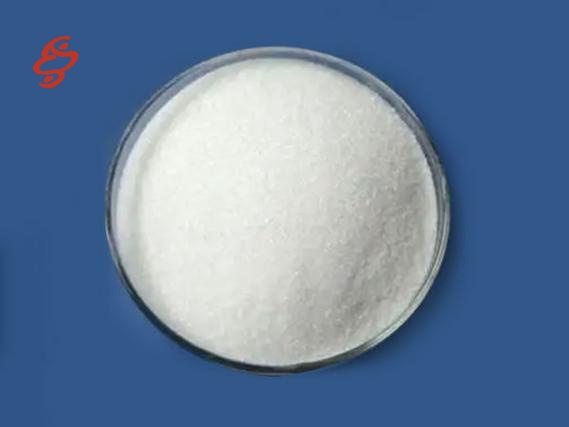
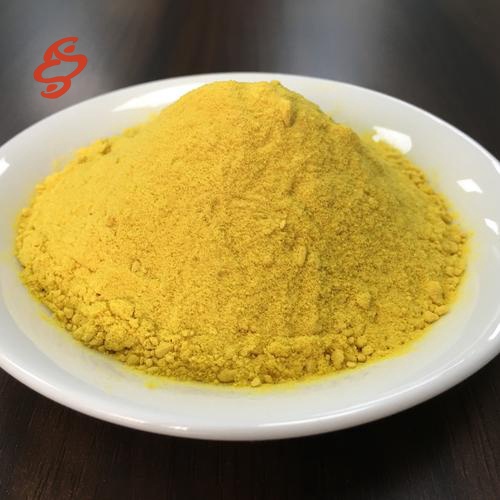
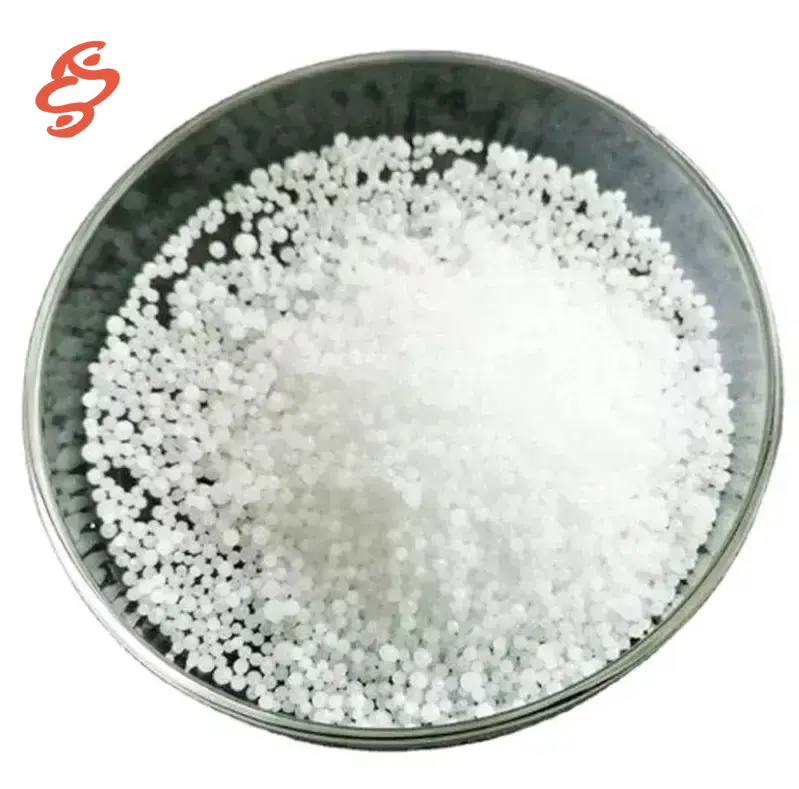
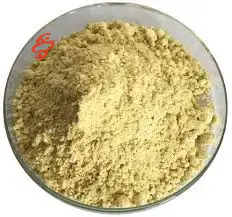
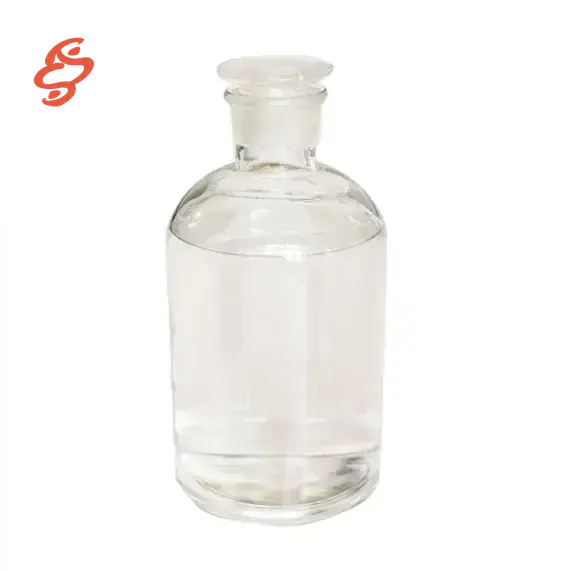
Polyferric sulfate (PFS), also known as solid polyferric sulfate, water purification agent, or high-purity polyferric sulfate, has the chemical formula [Fe₂(OH)n(SO₄)₃₋n/₂]m. At room temperature, the solid form is a pale yellow or reddish-brown amorphous powder or granules, while the liquid form is a reddish-brown viscous transparent liquid. In terms of solubility, PFS is readily soluble in water, and its aqueous solution is reddish-brown and transparent. Industrially, PFS is mainly prepared by the catalytic oxidation of ferrous sulfate, using sodium nitrite as a catalyst. Using rare earth co-catalysts can shorten the reaction time. PFS is a novel inorganic polymeric flocculant that, upon hydrolysis, generates high-valence polynuclear complex ions, possessing functions such as turbidity removal, decolorization, and removal of COD/BOD and heavy metal ions. It adapts to a wide pH range (4–11), exhibits rapid floc settling, reduces treatment costs by 20%–50% compared to traditional agents, and contains no harmful substances such as aluminum or chlorine. The national standard is GB/T 14591-2016 "Water Treatment Agents - Polyferric Sulfate".
Polyferric Sulfate Product Applications CAS#10028-22-5 / 1327-41-9
Polyferric sulfate is a highly efficient inorganic polymeric flocculant widely used in the purification of drinking water, industrial water, various industrial wastewaters, municipal sewage, and sludge dewatering.
In the drinking water treatment field, polyferric sulfate has been proven safe for use in drinking water treatment by pathological and toxicological tests conducted by health and epidemic prevention departments. It shows significant purification effects on slightly polluted, algae-containing, low-temperature, and low-turbidity raw water. It does not contain harmful substances such as aluminum and chlorine, and the purified water quality is safe and reliable.
In the industrial wastewater treatment field, polyferric sulfate is widely used in the treatment of dyeing and printing wastewater, papermaking wastewater, mining wastewater, electroplating wastewater, chemical wastewater, and food processing wastewater. It can effectively remove suspended solids, color, COD, BOD, and heavy metal ions from wastewater.
Product Information
Chemical Properties
Safety Information
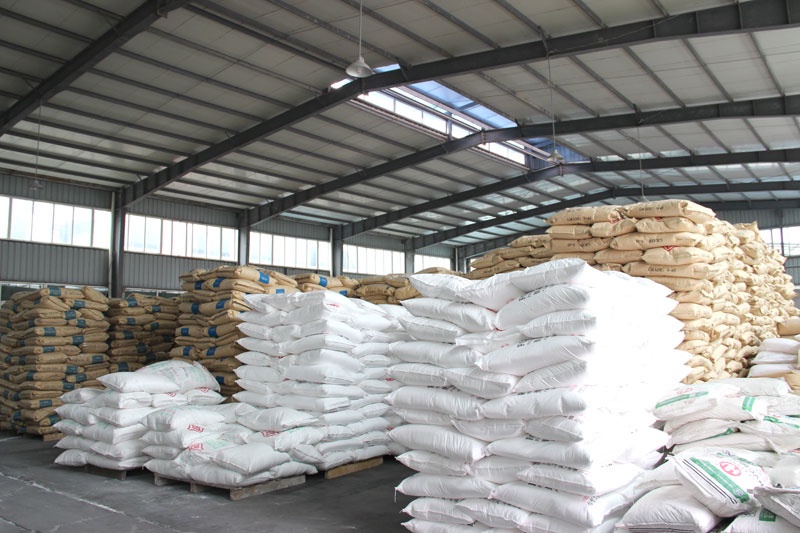
Factory Showcase





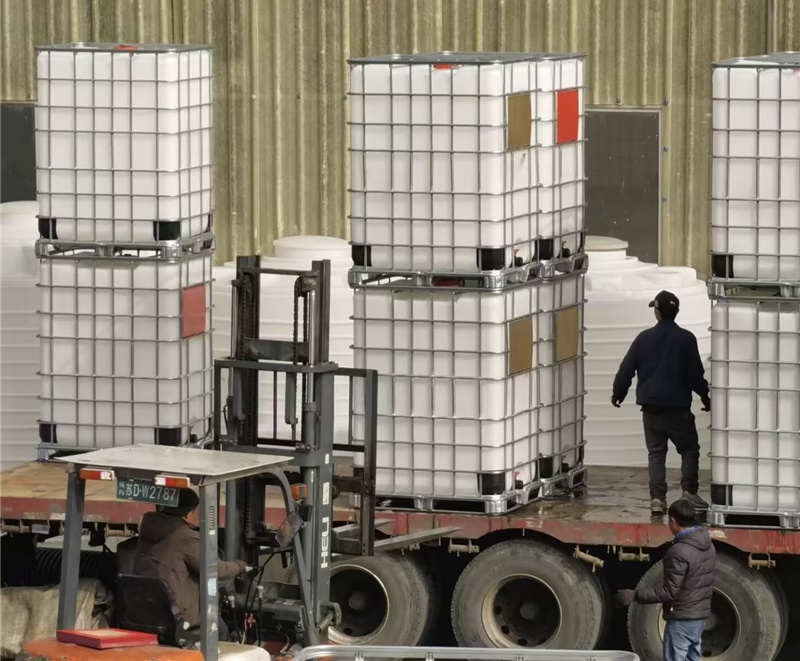
Loading and Transport







Product Inquiry
Product Information
Send Us Your Inquiry Today

Luxi Chemical is a professional chemical product supplier with ample stock of all chemical categories and excellent quality, welcome your purchase inquiry.