










Products
‹
›
‹
›
Sodium Hydroxide
Strong alkalinity: Sodium hydroxide is a highly corrosive strong alkali. A 1% aqueous solution has a pH of 12.7. It can neutralize acids to produce salt and water, making it a highly efficient neutralizing agent and pH adjuster.
Strong hygroscopicity and deliquescentness: Sodium hydroxide is highly hygroscopic, readily absorbing water vapor from the air and deliquescing. It also absorbs acidic gases such as carbon dioxide, a property that makes it suitable as an alkaline desiccant.
Excellent solubility and exothermic properties: Sodium hydroxide is readily soluble in water, with solubility increasing significantly with increasing temperature (418 g/L at 0°C, 1110 g/L at 20°C, and 3370 g/L at 100°C). Dissolution releases a large amount of heat; therefore, safety precautions must be taken when using it.
High reactivity: Sodium hydroxide reacts with amphoteric metals such as aluminum and zinc, as well as non-metals such as boron and silicon, releasing hydrogen gas; it undergoes disproportionation reactions with halogens such as chlorine, bromine, and iodine; it reacts with various metal salts to form hydroxide precipitates; and it undergoes saponification reactions with oils and fats.
Strong corrosiveness: Sodium hydroxide is highly corrosive to fibers, skin, glass, and ceramics. Protective goggles and rubber gloves must be worn during handling. If it comes into contact with skin, immediately flush with plenty of water.
Product Description
Sodium Hydroxide Product Description CAS#1310-73-2
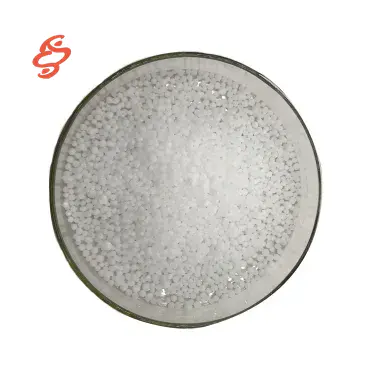
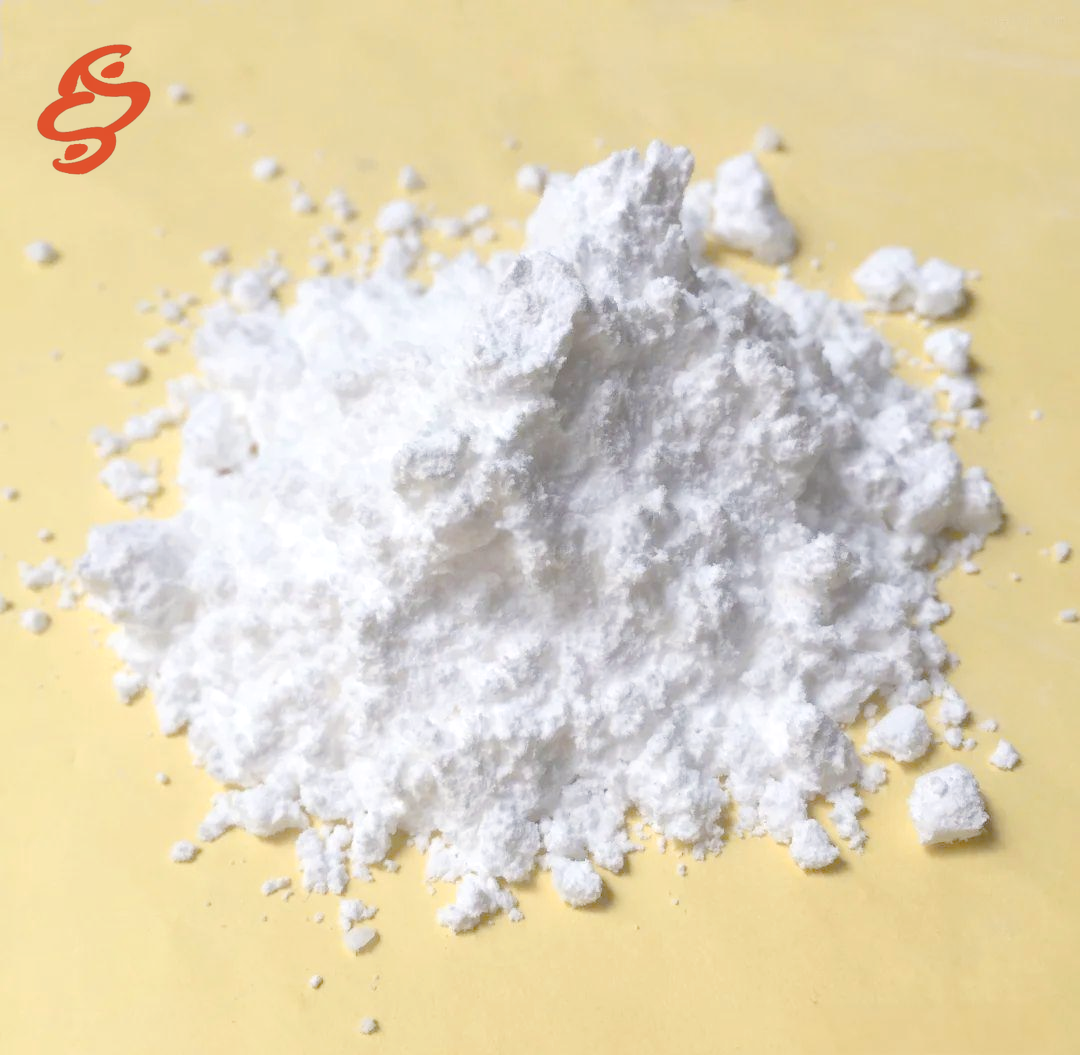
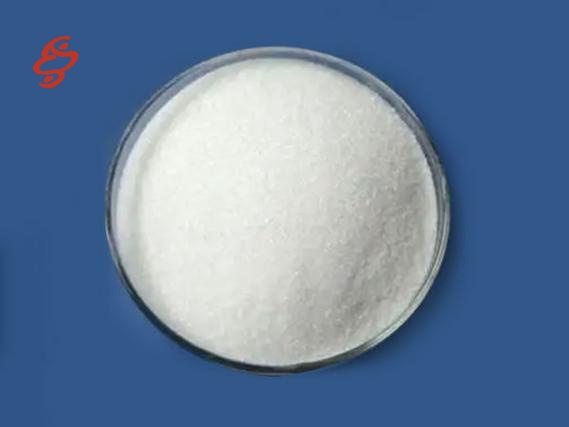
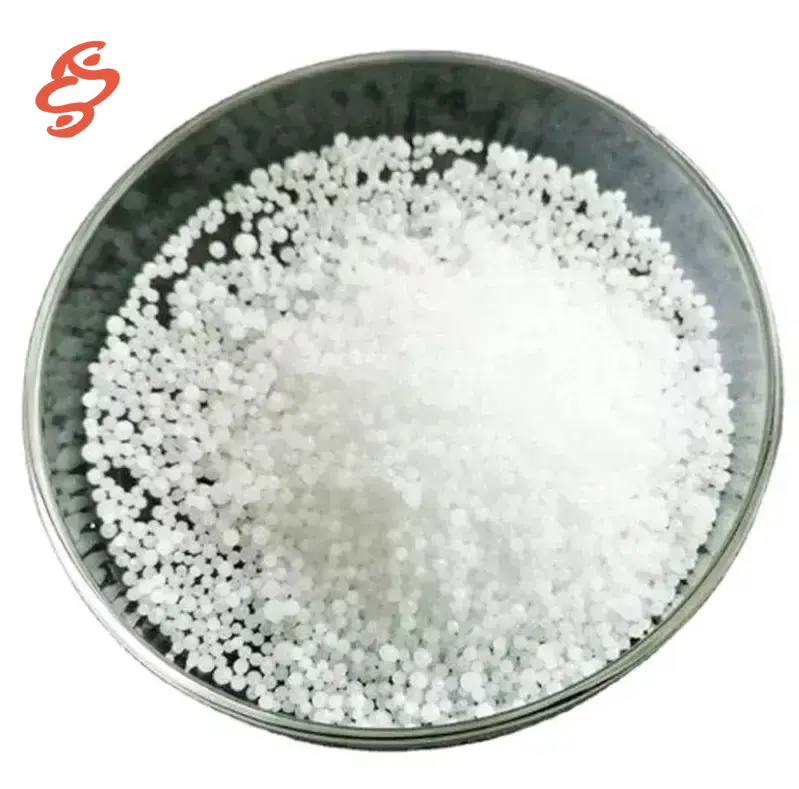
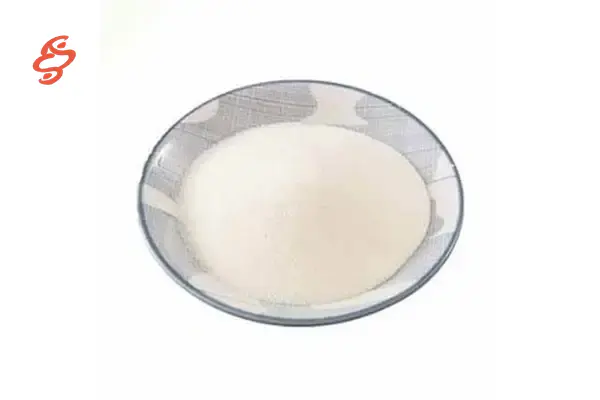
Sodium hydroxide, commonly known as caustic soda, lye, flake caustic soda, or caustic alkali, has the chemical formula NaOH and a molecular weight of 40.01. At room temperature, it is a white, semi-transparent crystalline solid. Common commercial forms include flakes, granules, lumps, and liquid. Its melting point is 318.4°C, boiling point is 1390°C, and density is 2.13 g/cm³. In terms of solubility, sodium hydroxide is readily soluble in water (solubility of 1110 g/L at 20°C), releasing a large amount of heat upon dissolution; it is also soluble in ethanol and glycerol, but insoluble in acetone and ether. Sodium hydroxide is highly hygroscopic, readily deliquescing in air, and can absorb acidic gases such as carbon dioxide. Industrially, sodium hydroxide is mainly produced by electrolysis in the chlor-alkali industry, using a saturated sodium chloride solution as raw material, through ion exchange membrane or diaphragm electrolysis; it can also be produced using traditional processes such as the soda ash causticization method. Sodium hydroxide is one of the most basic chemical raw materials. As an important member of the "three acids and two alkalis" group, its strong alkalinity, high reactivity, and wide compatibility make it irreplaceable and fundamental in many sectors of the national economy, including chemical, papermaking, textile, metallurgy, food, pharmaceutical, and environmental protection industries.
Sodium Hydroxide Product Applications CAS#1310-73-2
Sodium hydroxide is one of the most important basic chemical raw materials, widely used in hundreds of industries including chemical, papermaking, textile, metallurgy, food, pharmaceutical, petroleum, environmental protection, and daily chemicals.
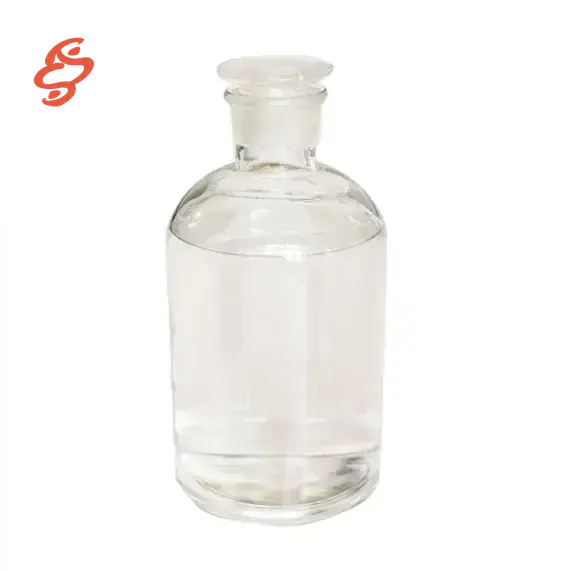
Product Forms and Specifications: Sodium hydroxide products are divided into two main categories: liquid and solid. Common concentrations of liquid sodium hydroxide are 32% and 48%; solid sodium hydroxide is available in flakes and granules. Products cover industrial and food grades. Industrial-grade sodium hydroxide conforms to the national standard GB/T 209-2018 and is widely used in papermaking, soap making, textile, printing and dyeing, chemical fiber, pesticide, metallurgy, petrochemical, fine chemical, and power industries. Food-grade sodium hydroxide is mainly used as an acid-base adjuster and can also be used in cosmetics manufacturing.
Chemical Industry: Sodium hydroxide is an important raw material for manufacturing organic and inorganic chemicals such as formic acid, oxalic acid, borax, phenol, and sodium cyanide; it is used in the production of soap, synthetic detergents, synthetic fatty acids, and the refining of animal and vegetable oils; it is also used in the production of smelting products such as alumina.
Product Information
Chemical Properties
Safety Information
Factory Showcase




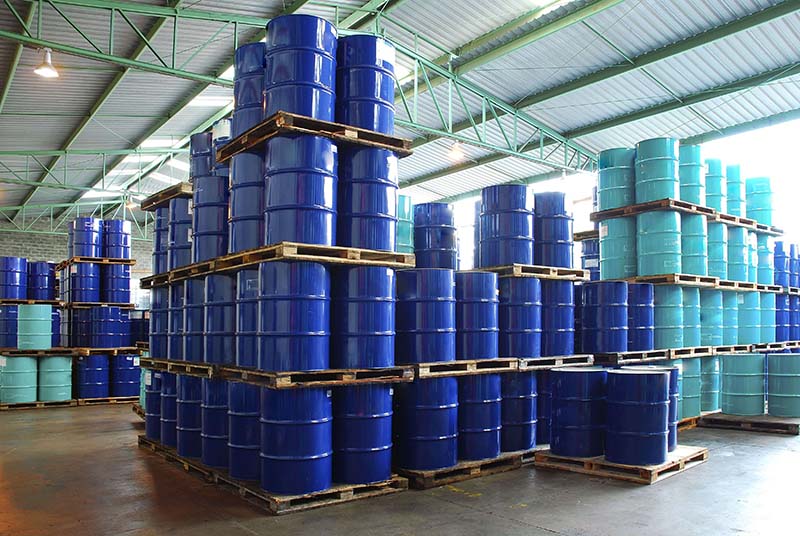
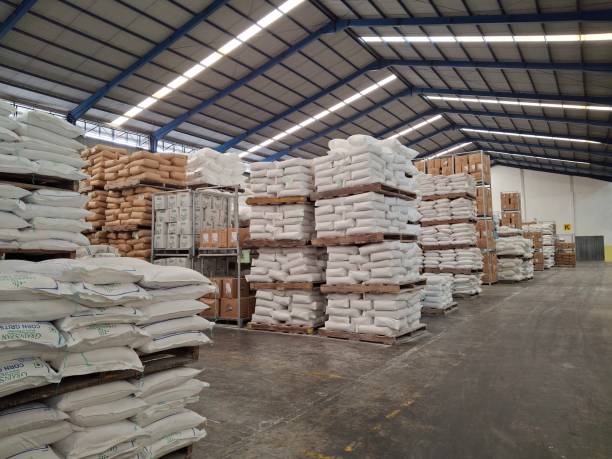
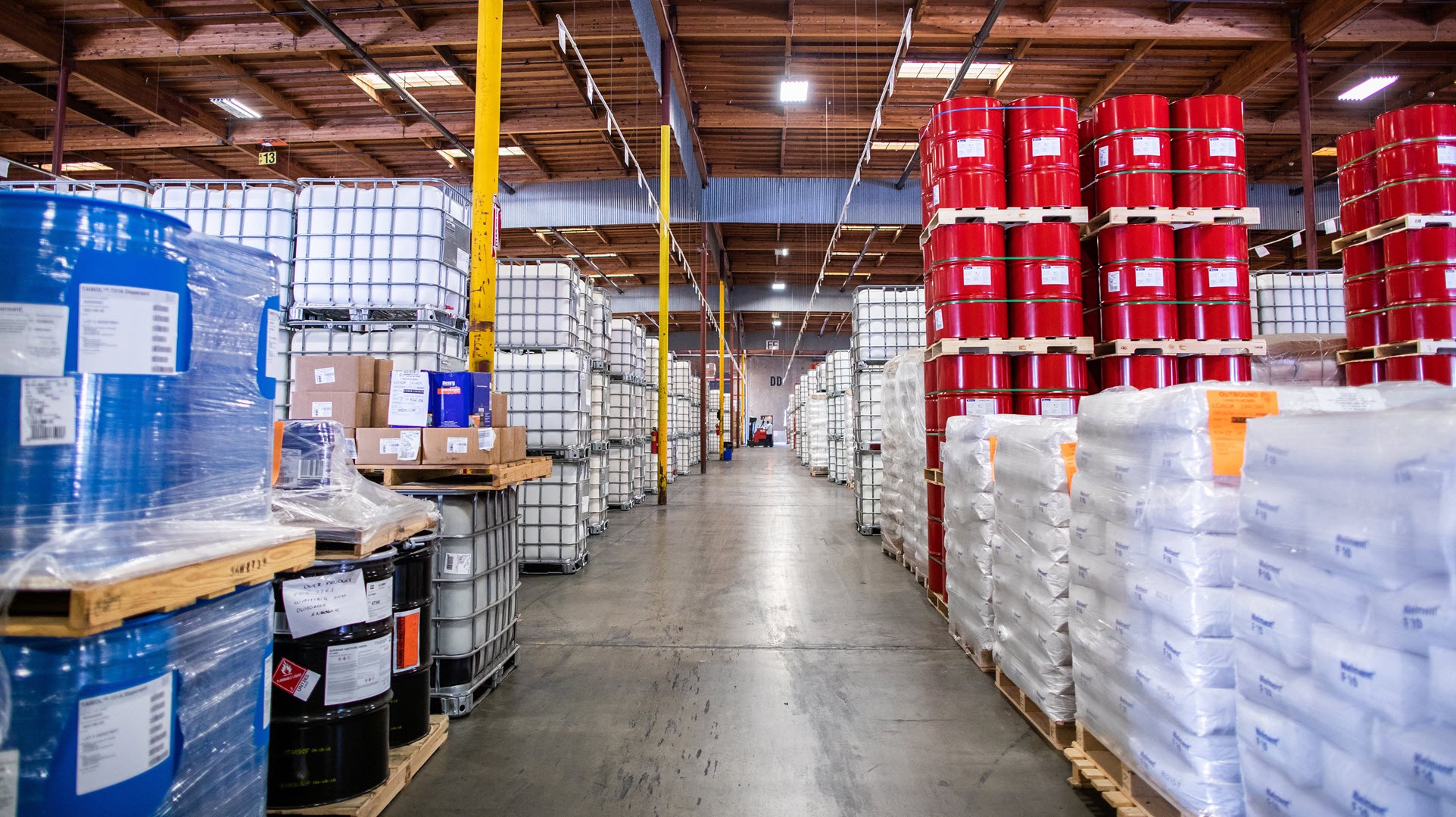
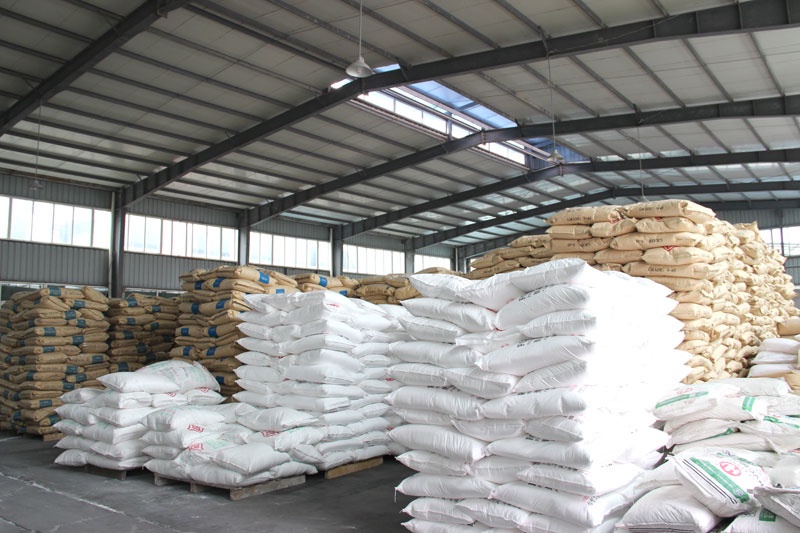
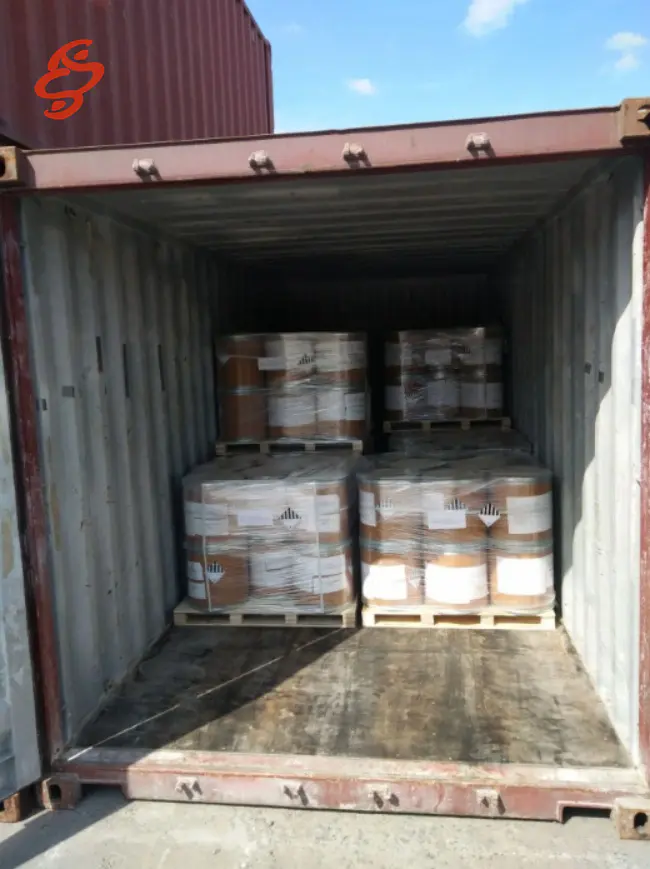
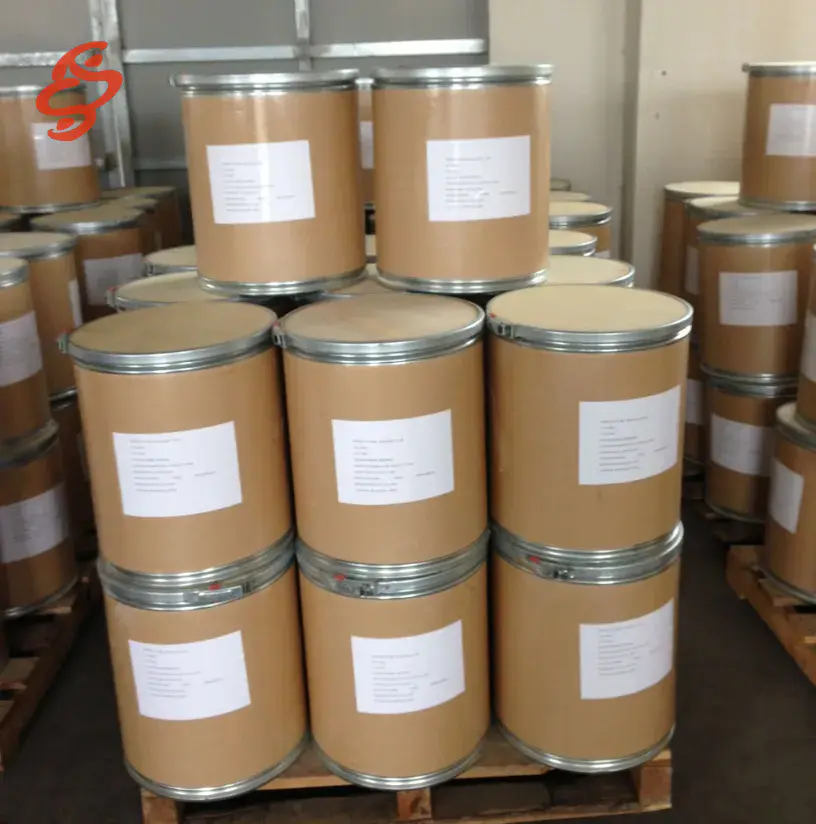
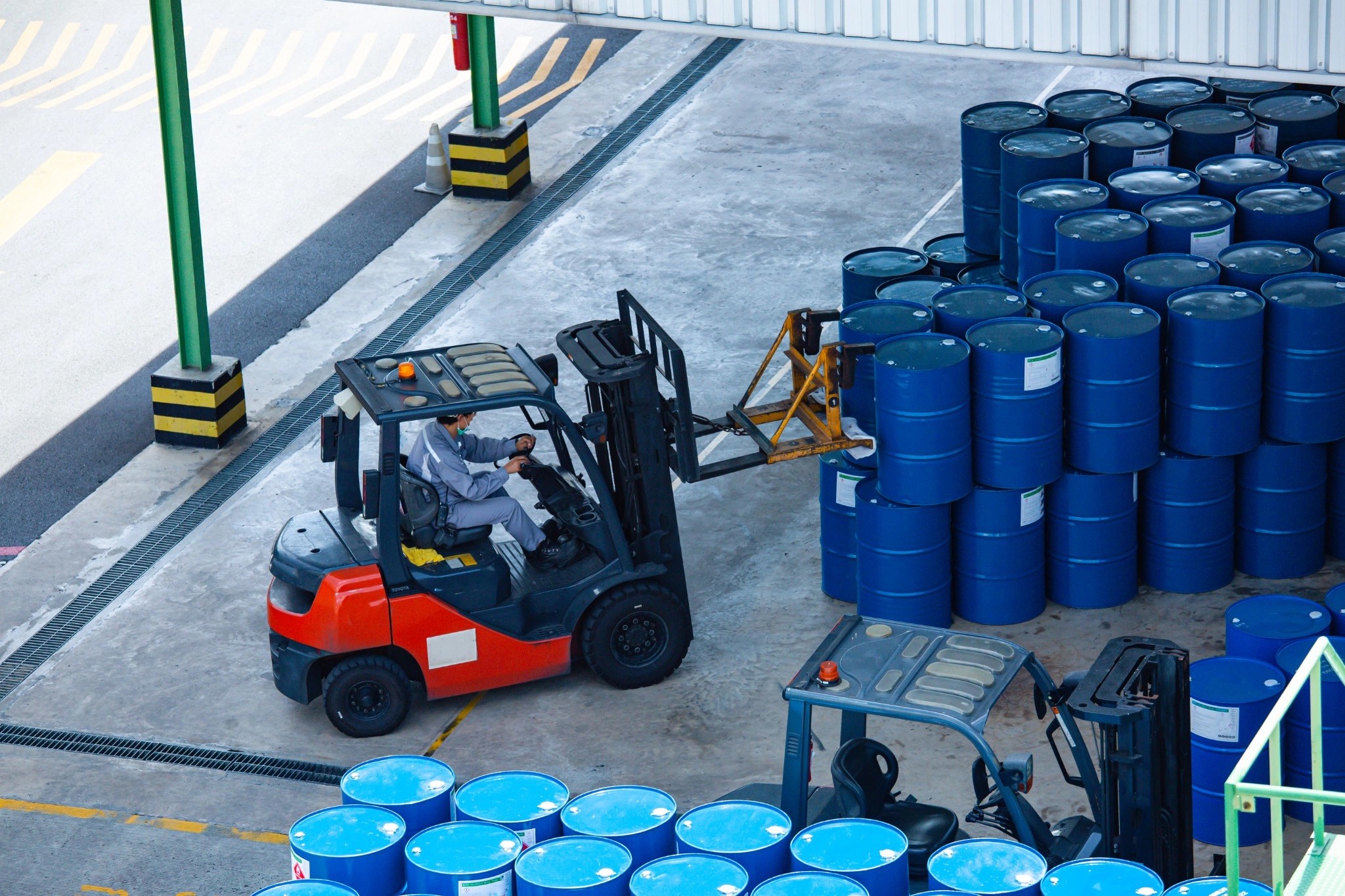
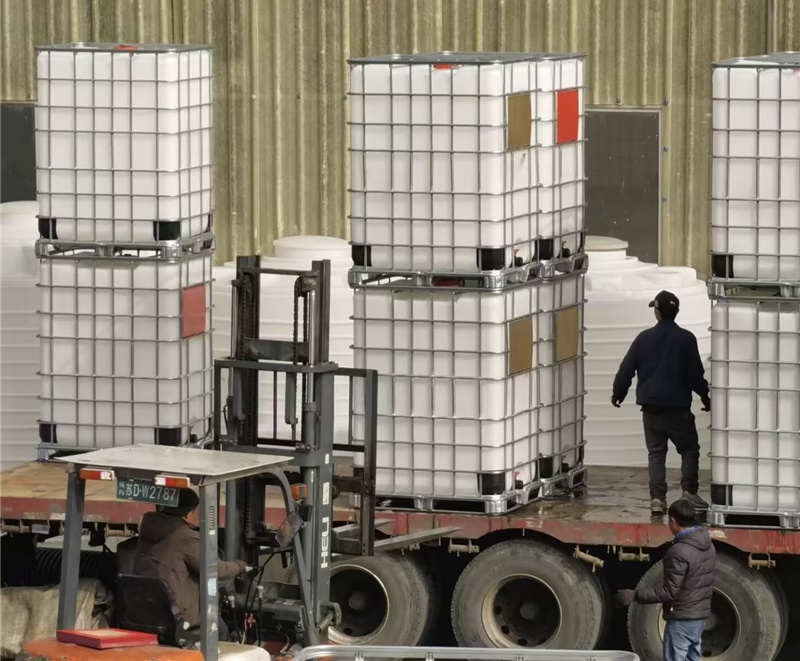
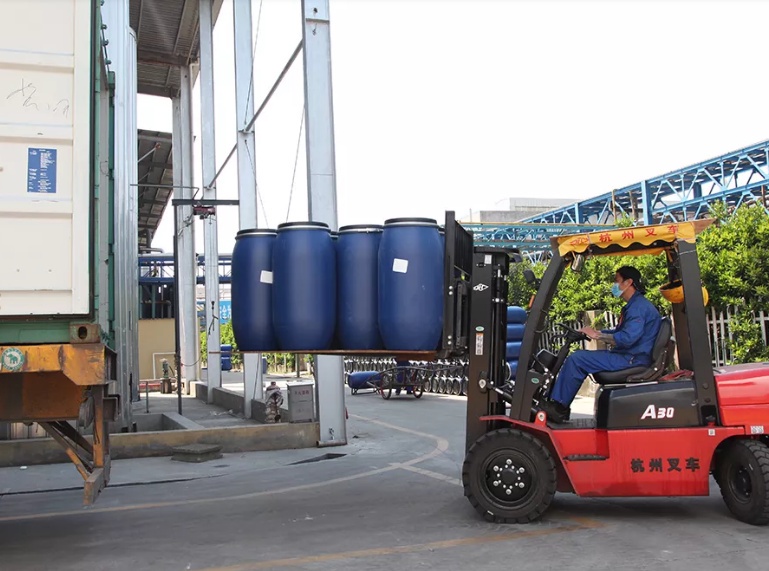
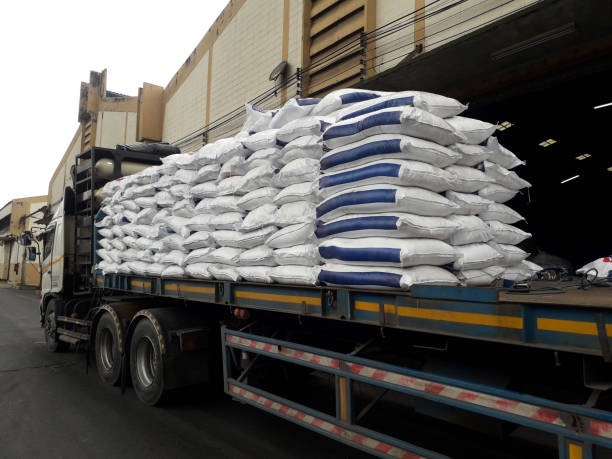
Loading and Transport




Product Inquiry
Product Information
Send Us Your Inquiry Today

Luxi Chemical is a professional chemical product supplier with ample stock of all chemical categories and excellent quality, welcome your purchase inquiry.