










Products
‹
›
‹
›
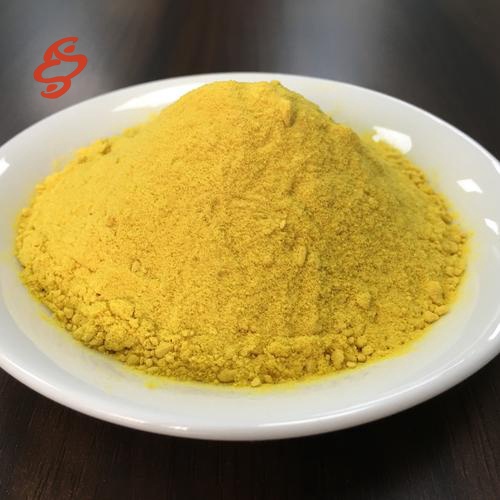
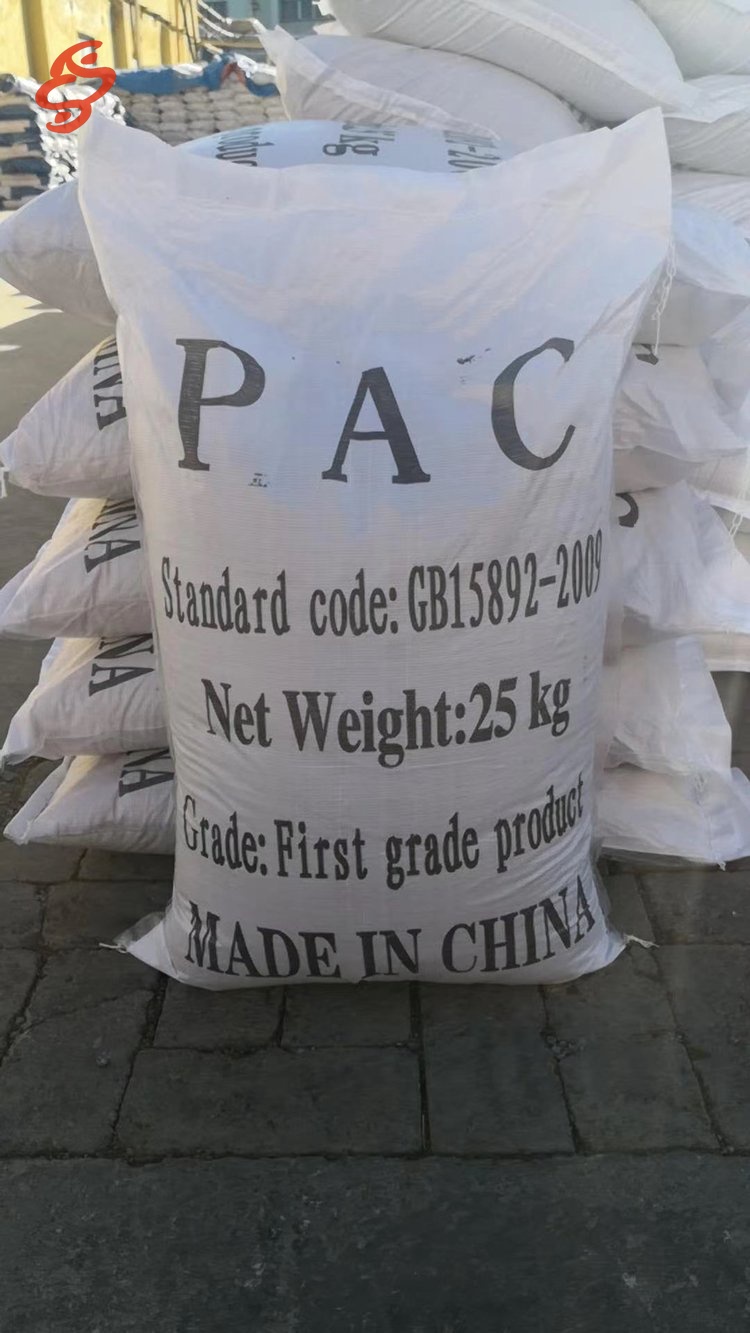
Polyaluminium Chloride
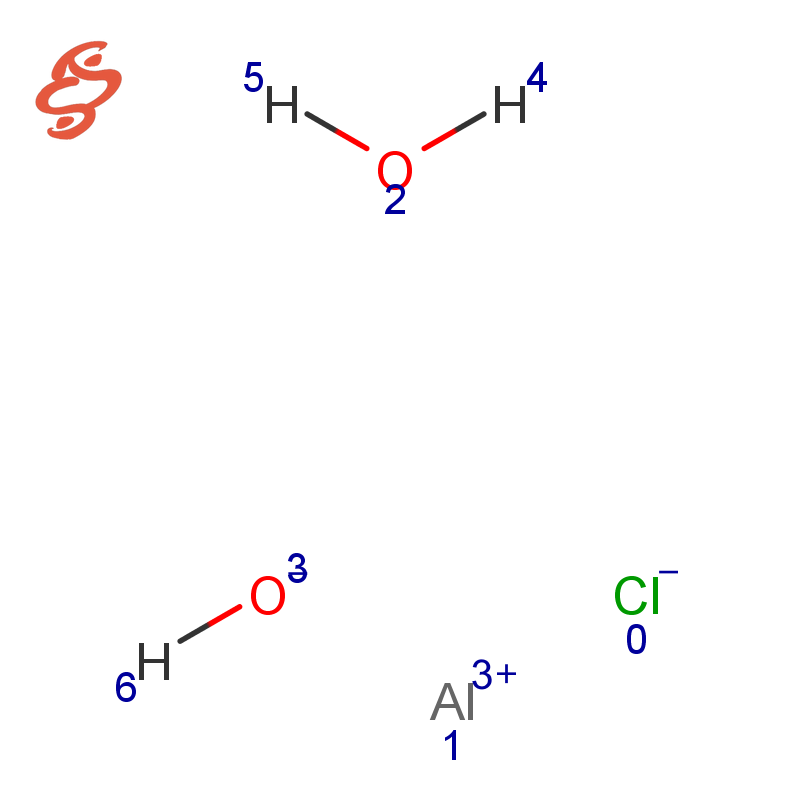
Highly efficient coagulation and flocculation performance: Polyaluminum chloride (PAC) is an inorganic polymer between AlCl₃ and Al(OH)₃, possessing strong bridging and adsorption properties. Flocculation occurs rapidly, with fast settling speed, resulting in superior treatment capacity compared to traditional products like aluminum sulfate.
Wide pH range: PAC has a wide applicable pH range (typically 4–11), showing particularly significant effects on high-turbidity water, effectively removing color, suspended solids (SS), COD, BOD, and heavy metal ions such as arsenic and mercury.
Low alkalinity consumption: PAC consumes less alkalinity in water than various inorganic flocculants, thus requiring little or no alkali dosage. It is non-corrosive to pipes and equipment.
Excellent water purification effect and cost advantage: The purified water quality is superior to that of aluminum sulfate flocculants, while the purification cost is 15%–30% lower. It offers a significant cost advantage over traditional agents.
Product Description
Polyaluminium Chloride Product Description CAS#1327-41-9
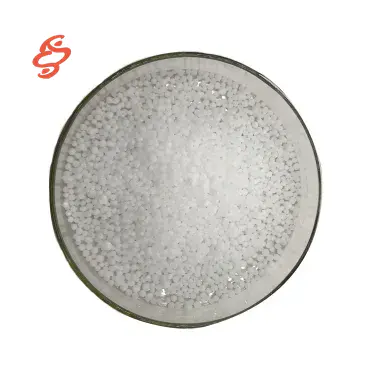
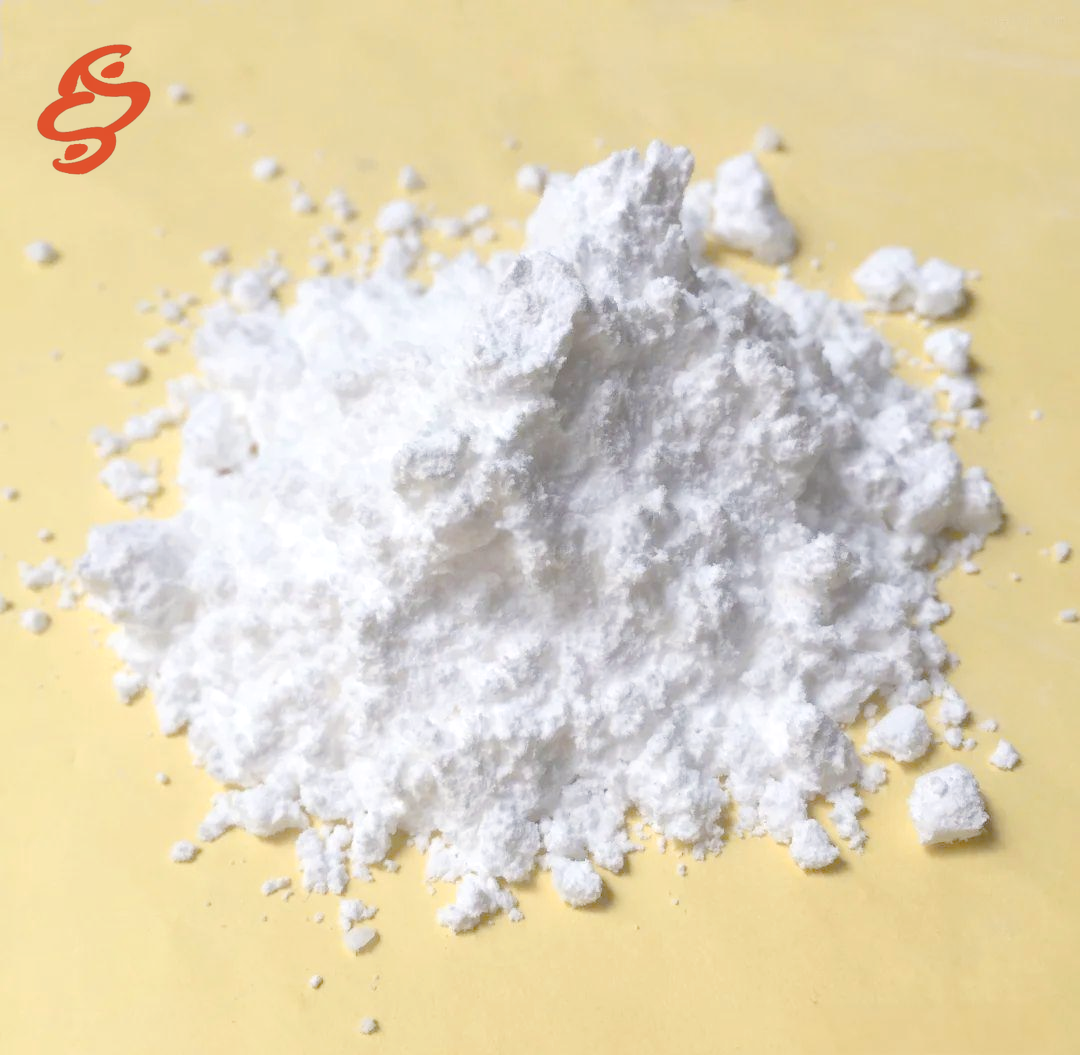
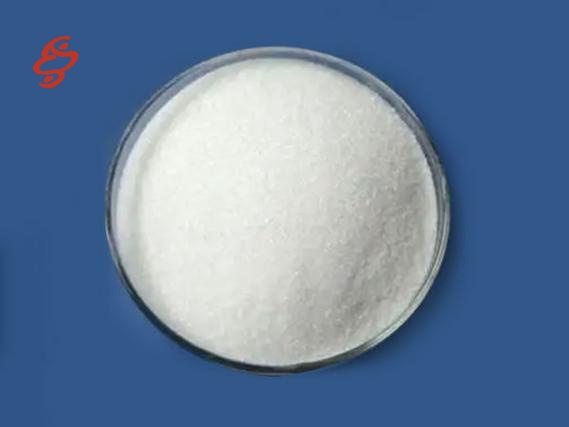
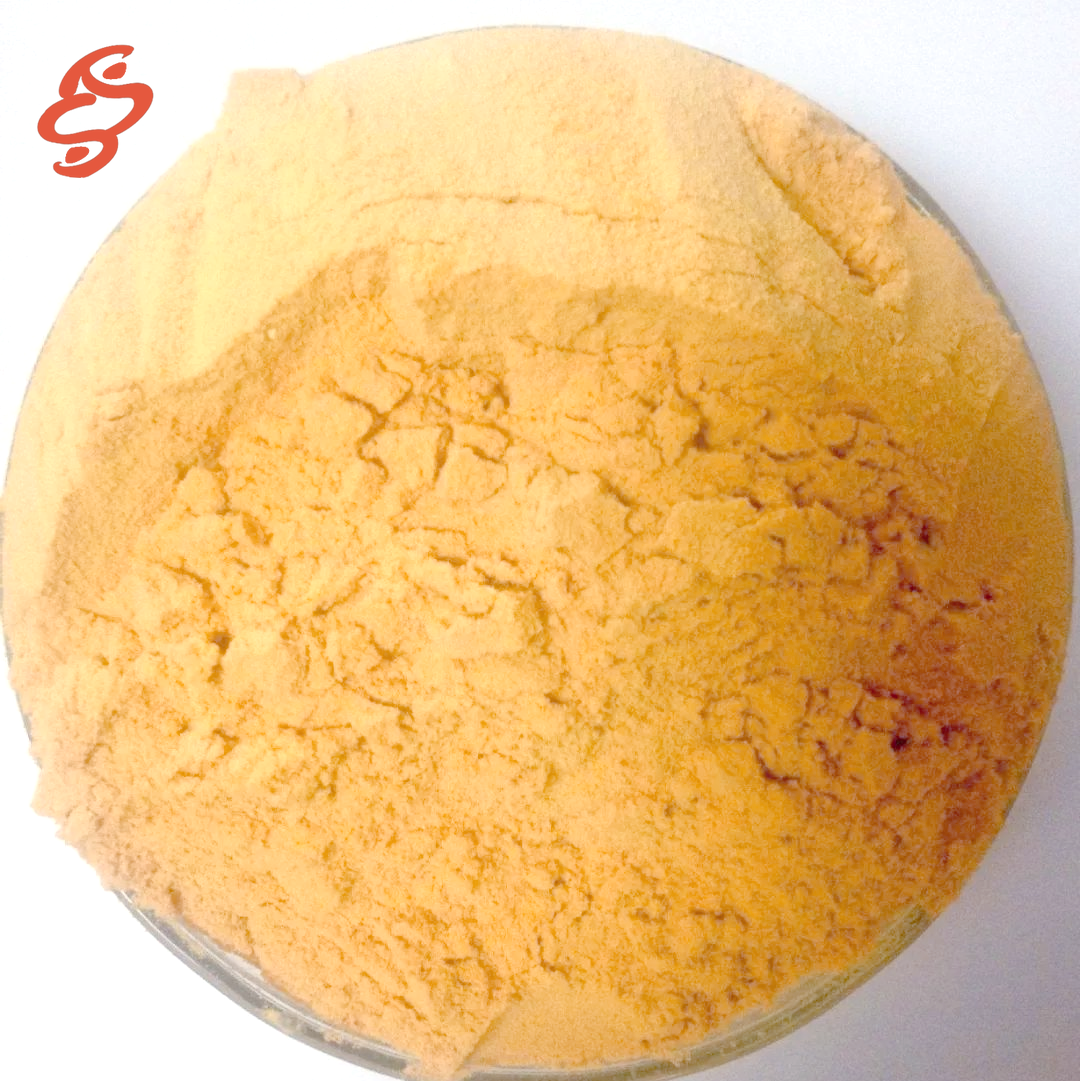
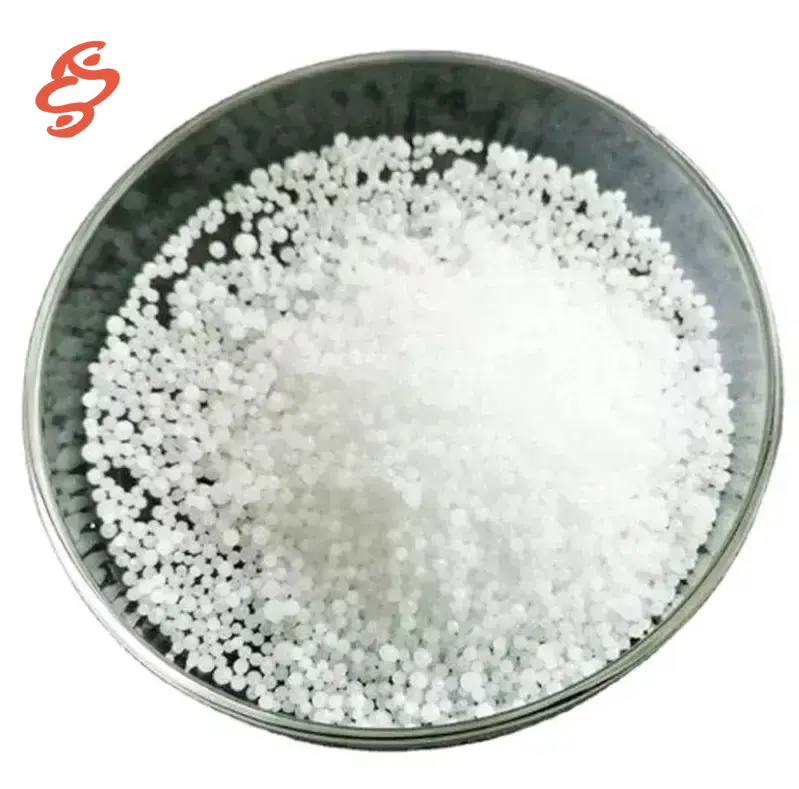
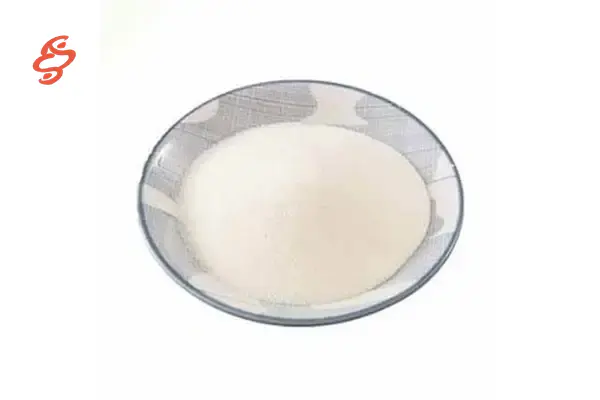
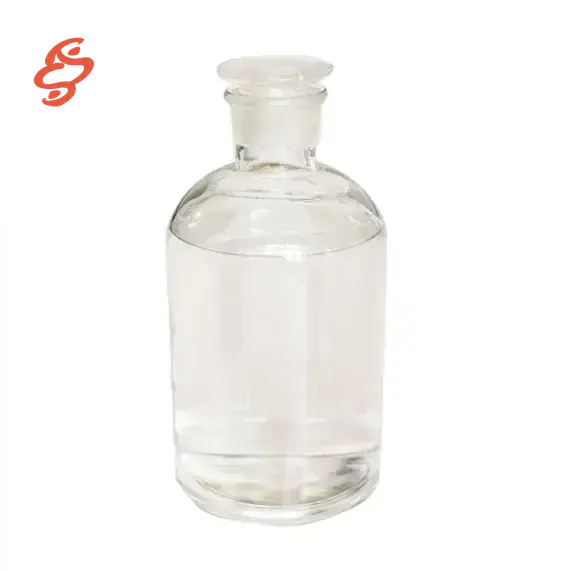
Polyaluminium chloride (PAC), also known as basic aluminum chloride or aluminum hydroxychloride, has the general chemical formula [Al₂(OH)nCl₆-n]m and a molecular weight of 174.45. At room temperature, it is a yellowish-brown, light yellow, dark brown, or dark gray resinous solid, and a colorless to yellowish-brown transparent liquid. In terms of solubility, PAC is readily soluble in water, and its aqueous solution is acidic (1% aqueous solution pH 3.5–5.0). Industrially, PAC is mainly produced through the polymerization reaction of bauxite, aluminum hydroxide, or aluminum chloride with hydrochloric acid, sodium hydroxide, and other raw materials. PAC is a water-soluble inorganic polymer between AlCl₃ and Al(OH)₃, possessing strong bridging adsorption properties. The fundamental difference between polyaluminum chloride and traditional inorganic coagulants (low-molecular-weight crystalline salts) lies in the fact that its structure is composed of polyhydroxy complexes with varying morphologies. This results in rapid flocculation and sedimentation, a wide applicable pH range, and no corrosiveness to pipelines and equipment. These unique physicochemical properties make it widely applicable in the field of water treatment.
Polyaluminum Chloride (PAC) Product Applications CAS#1327-41-9
Polyaluminum chloride (PAC) is an important inorganic polymeric flocculant and water treatment agent, widely used in drinking water purification, industrial water treatment, and wastewater treatment.
In drinking water treatment, PAC is one of the most commonly used coagulants in waterworks. It effectively removes color, suspended solids (SS), COD, BOD, and heavy metal ions such as arsenic and mercury from water. The purified water quality is superior to that of traditional flocculants such as aluminum sulfate, and the water purification cost is 15%–30% lower. Its treatment effect on high-turbidity water is particularly significant, and its purification effect on slightly polluted, algae-containing, low-temperature, and low-turbidity raw water is also outstanding.
In industrial wastewater treatment, PAC is widely used in wastewater treatment in industries such as papermaking, printing and dyeing, leather, electroplating, mining, and chemicals. It effectively removes suspended solids, color, and heavy metal ions from wastewater.
Product Information
Chemical Properties
Safety Information
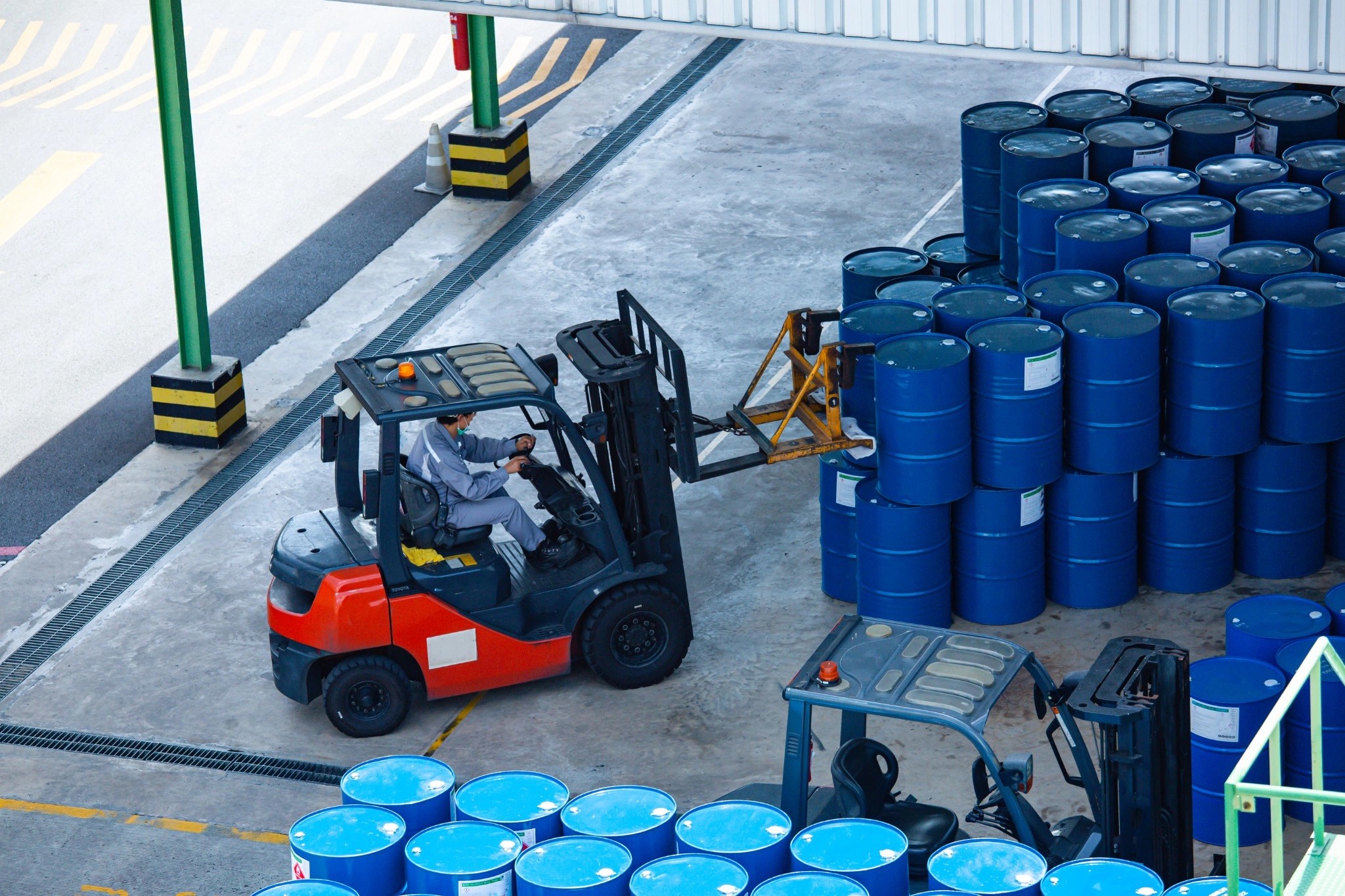
Factory Showcase
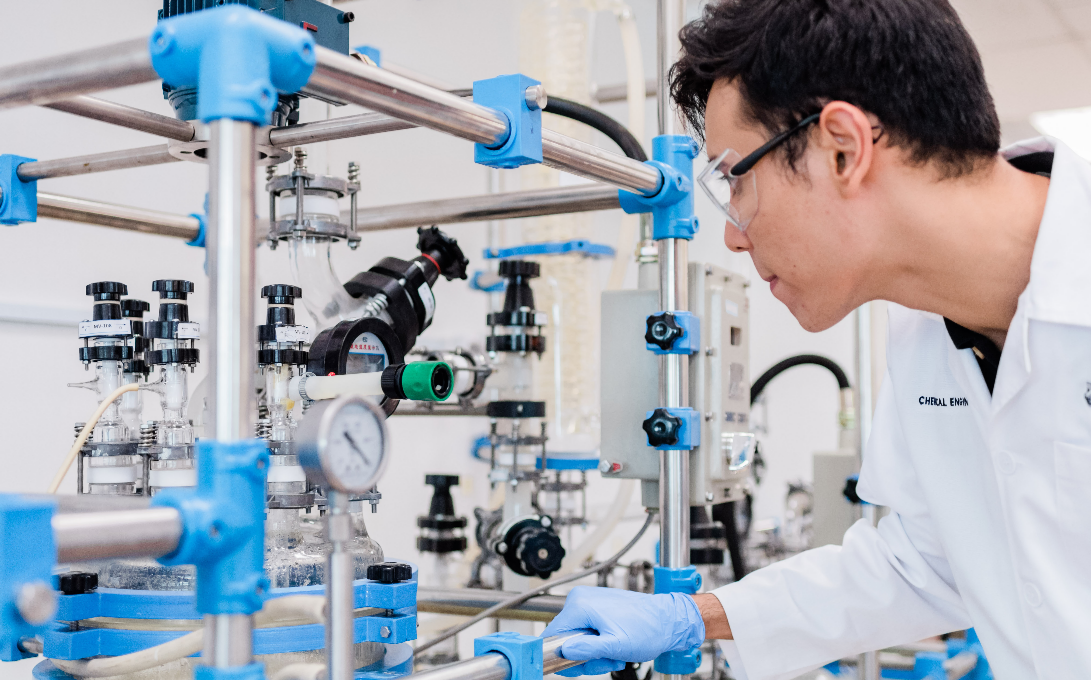
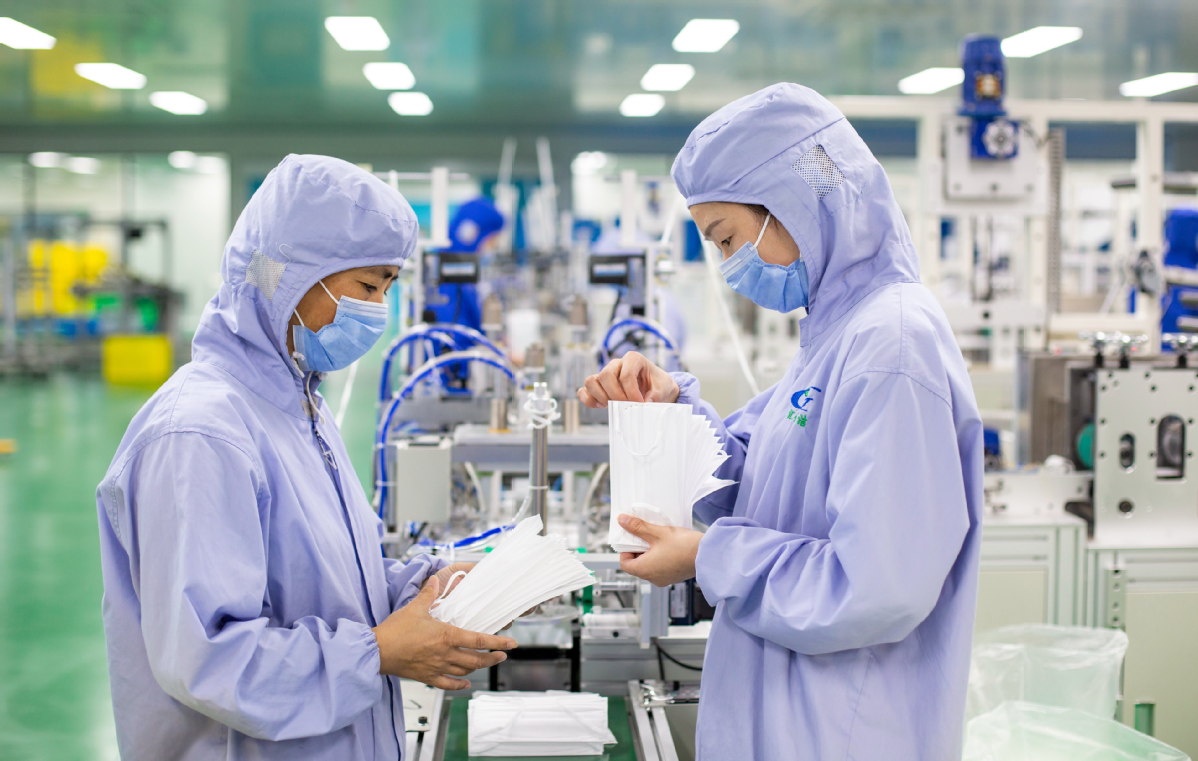
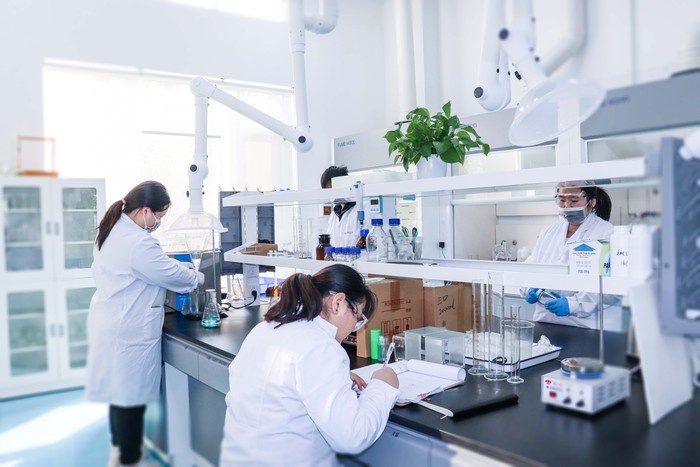
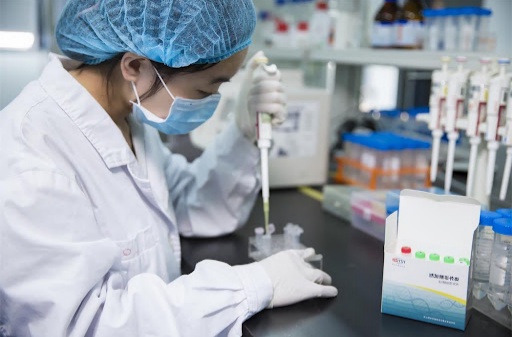
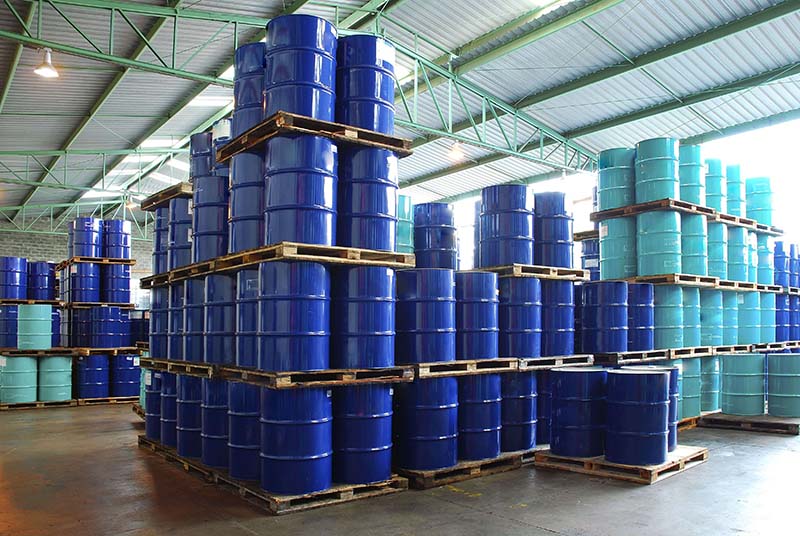
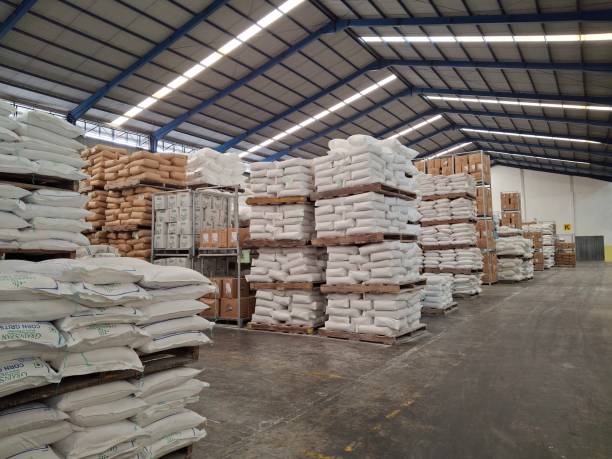
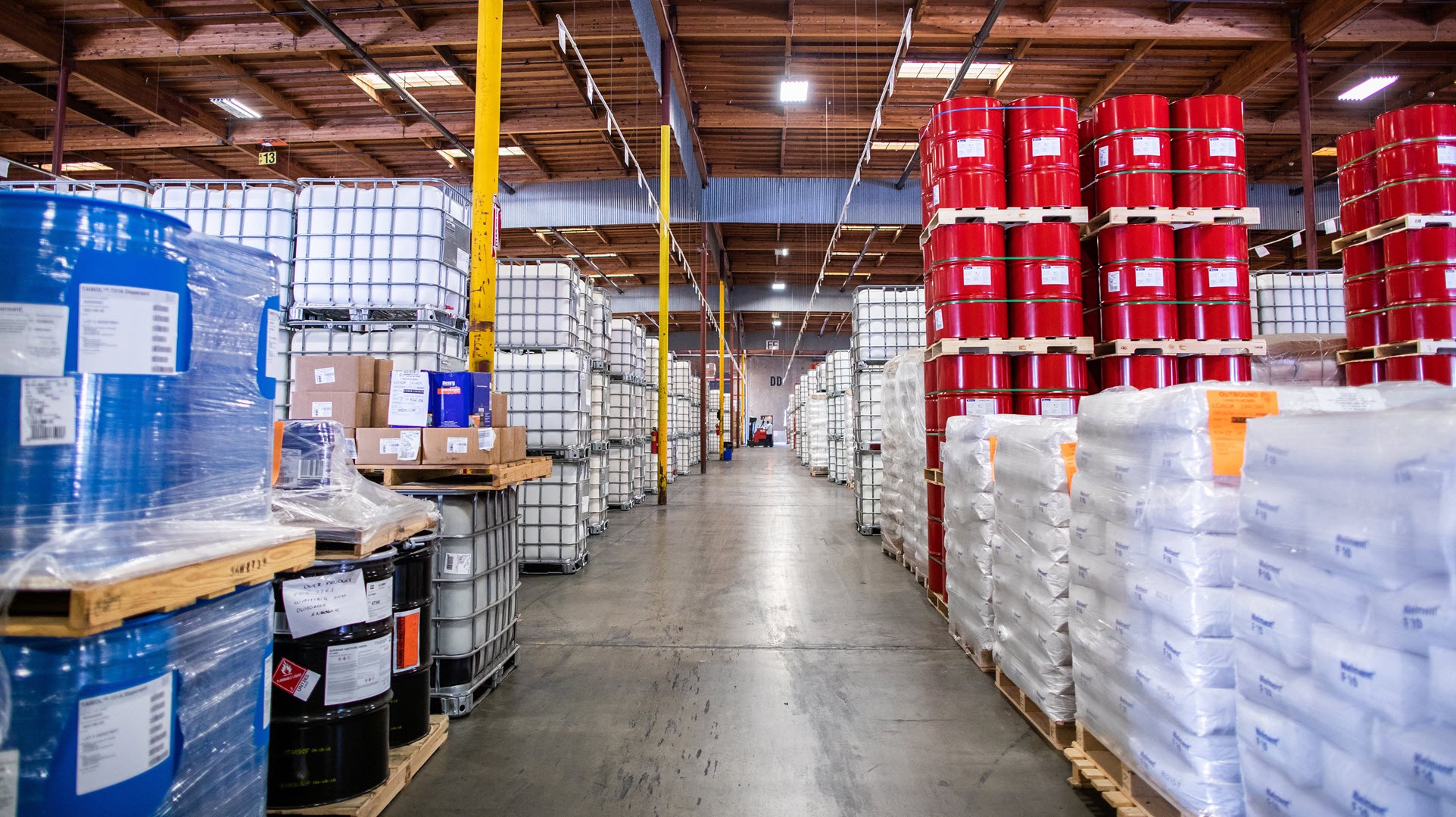
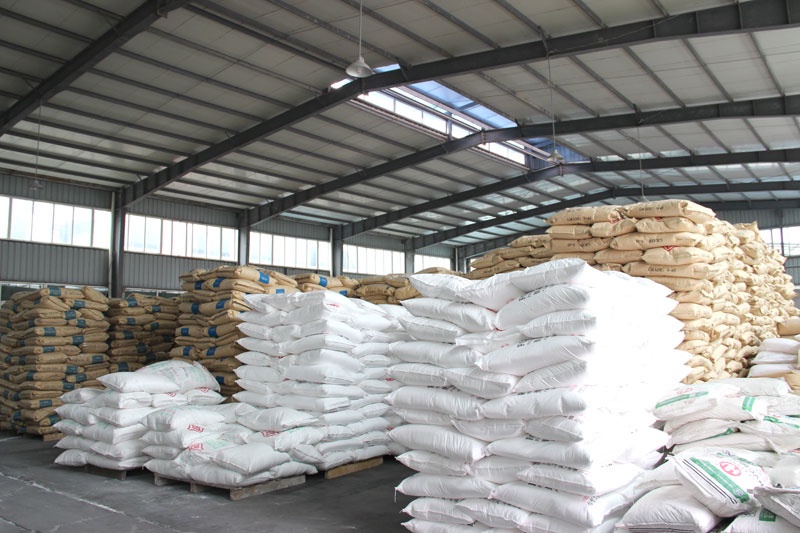
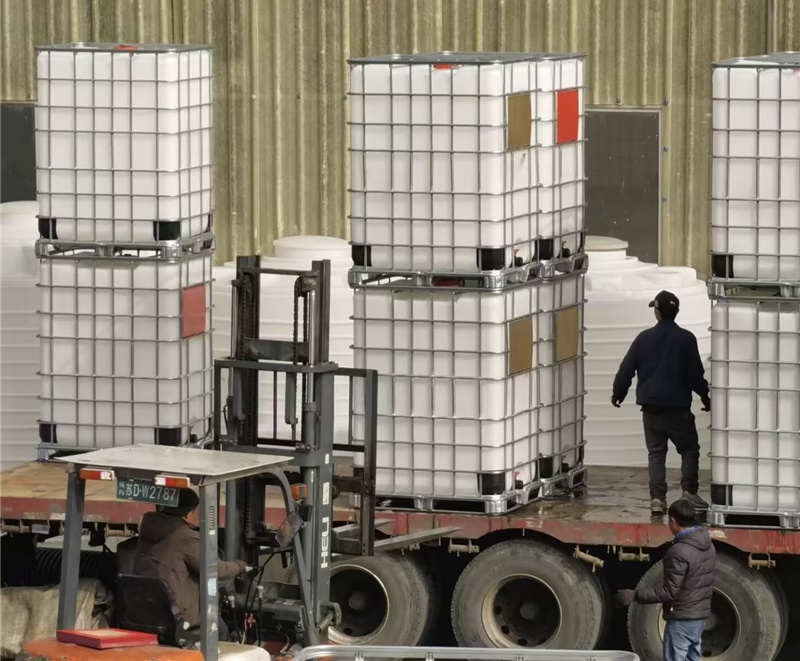
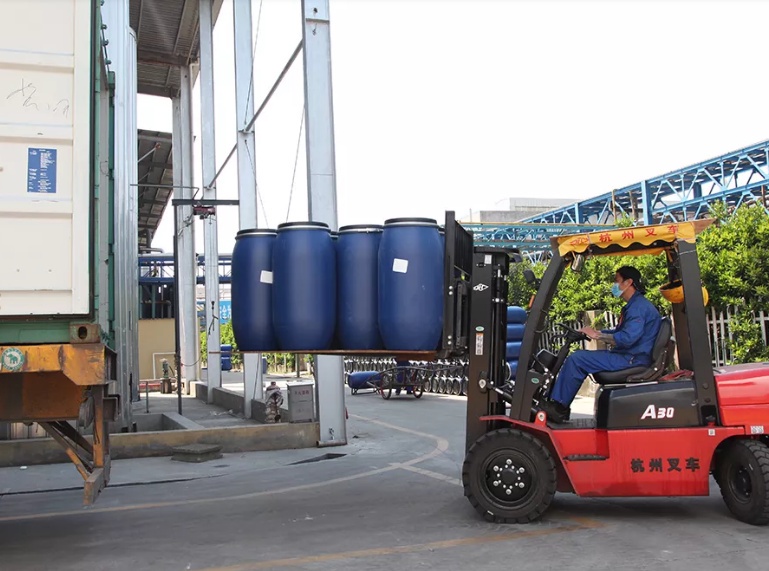
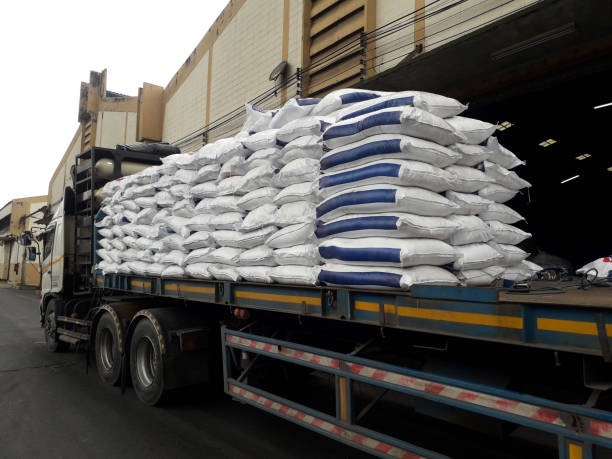
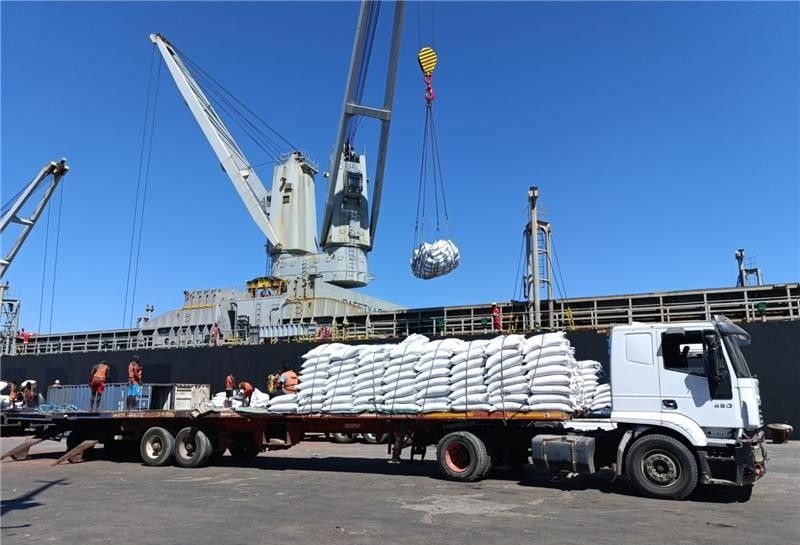
Loading and Transport



Product Inquiry
Product Information
Send Us Your Inquiry Today

Luxi Chemical is a professional chemical product supplier with ample stock of all chemical categories and excellent quality, welcome your purchase inquiry.