










Products
‹
›
‹
›
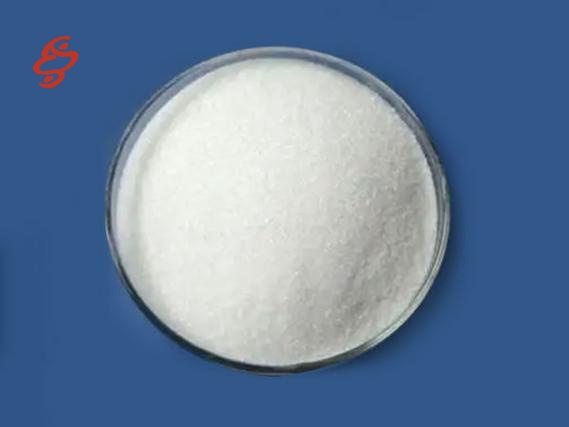
Sodium Chlorite
Highly Effective Disinfectant and Sterilizer: Sodium chlorite, after acidification, produces chlorine dioxide, a high-performance disinfectant that effectively kills bacteria, viruses, fungi, and algae. It is also effective against bioterrorism agents and other contaminants.
No Trihalomethane Formation: Compared to traditional chlorine disinfection, sodium chlorite, after conversion to chlorine dioxide, does not produce harmful byproducts such as trihalomethanes (e.g., chloroform), making disinfection safer.
Powerful Oxidant Capacity: Sodium chlorite is a strong oxidant, used in organic synthesis for various oxidation reactions such as aldehyde oxidation and alkyl furan conversion. Its powerful oxidizing properties make it an effective agent in water purification and hygiene research.
Widely Applicable to Multiple Fields: Sodium chlorite combines the functions of disinfectant, bactericide, bleaching agent, oxidant, and preservative. It is widely used in water treatment, food disinfection, textile bleaching, pulp bleaching, organic synthesis, and pharmaceutical preservation, among other industries.
Product Description
Sodium Chlorite Product Description CAS#7758-19-2
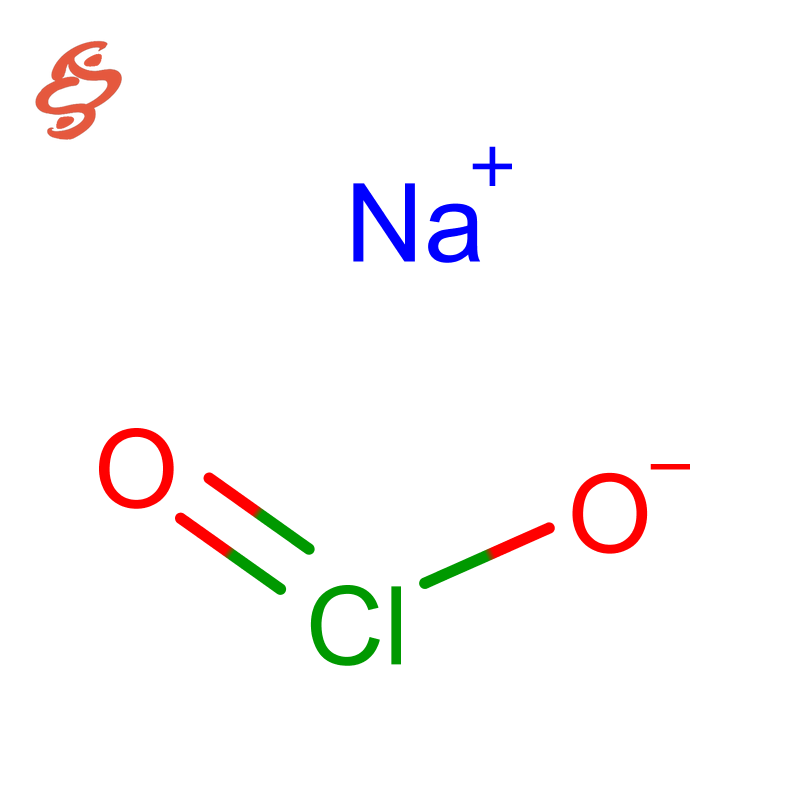
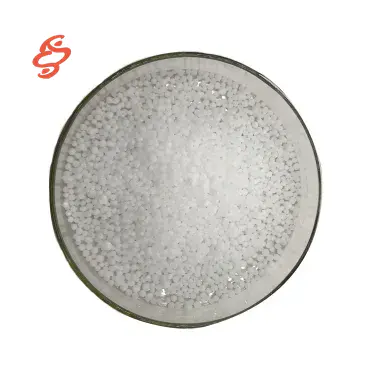
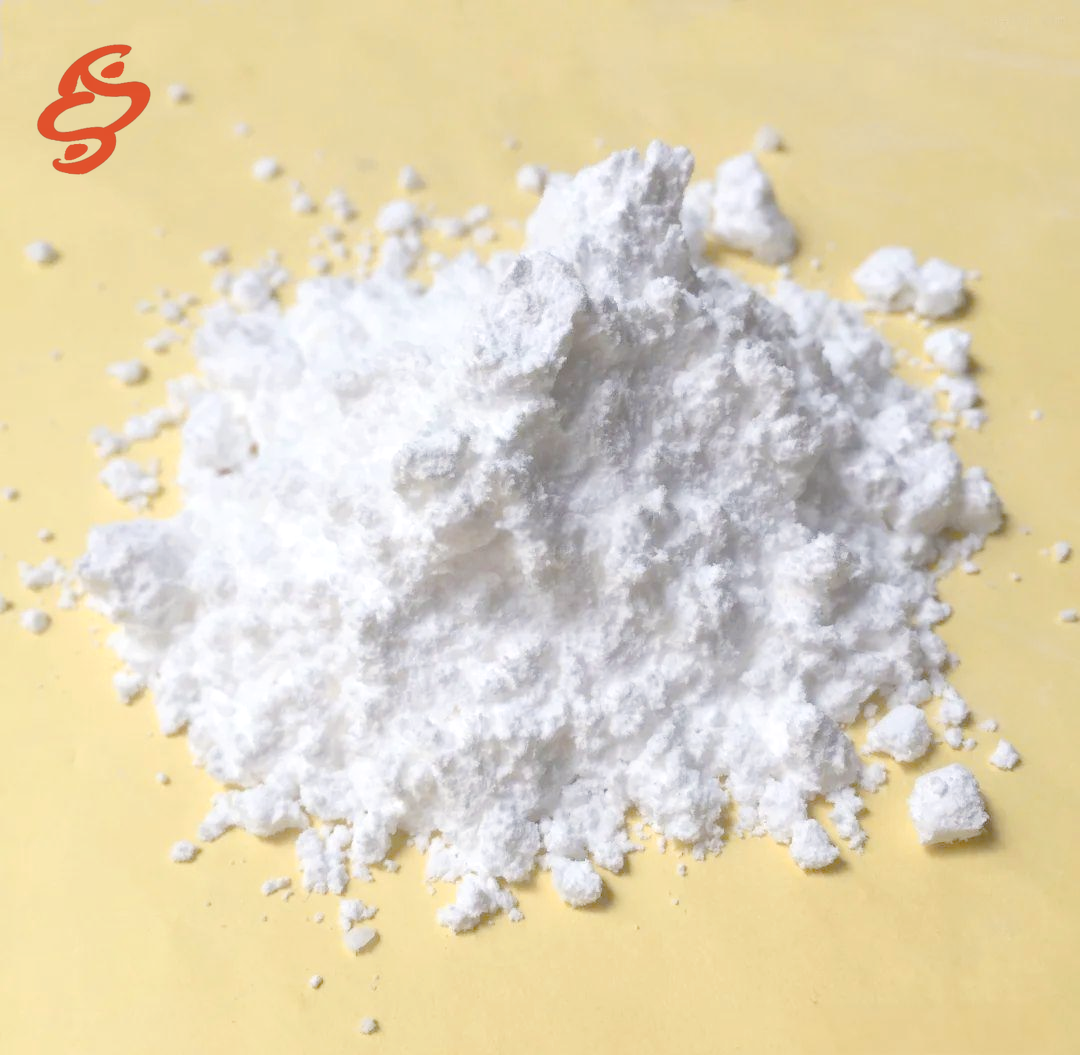
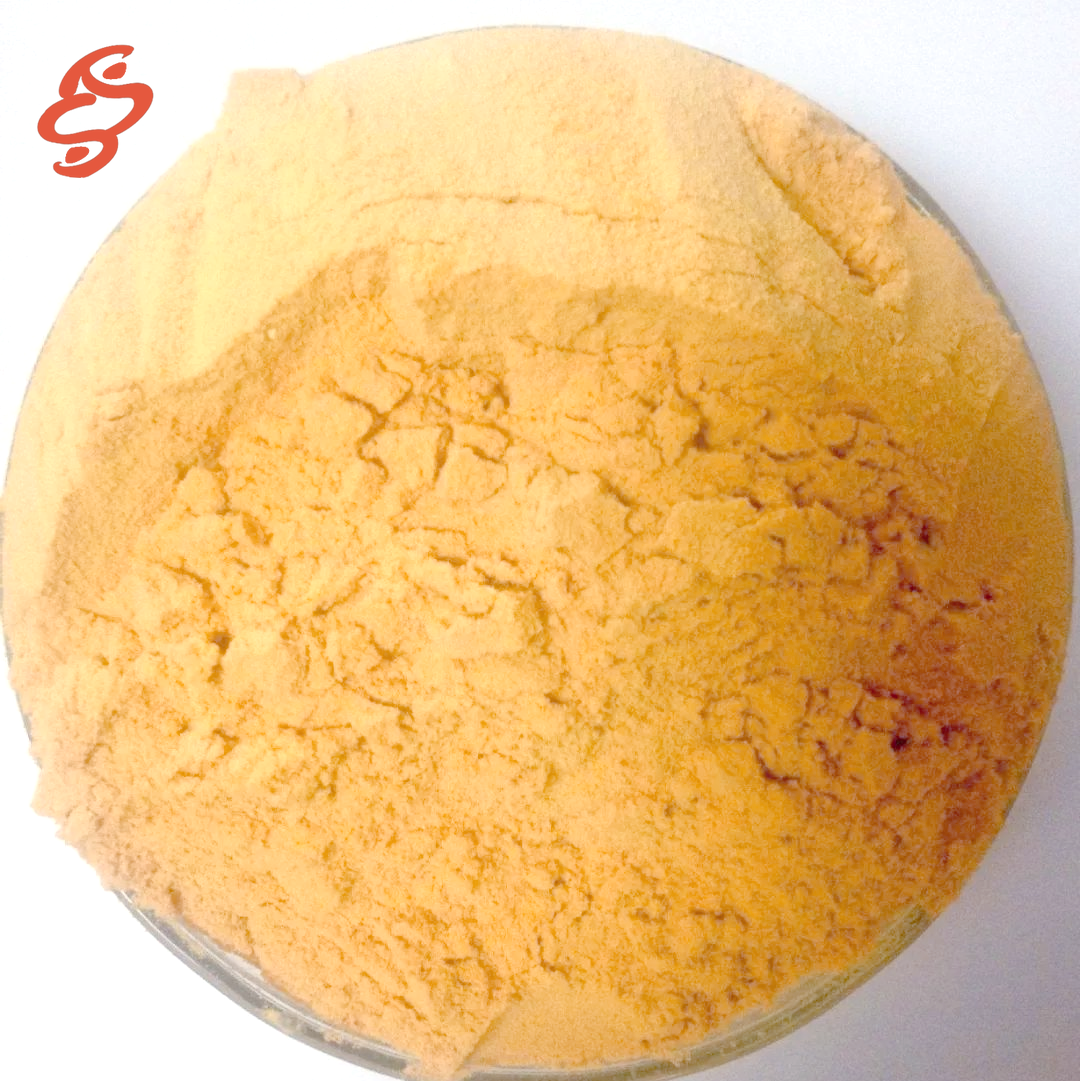
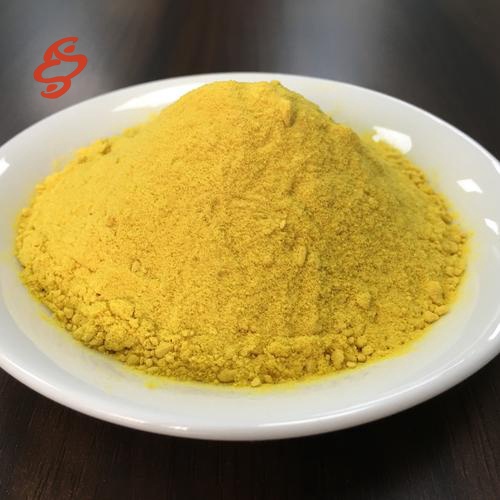
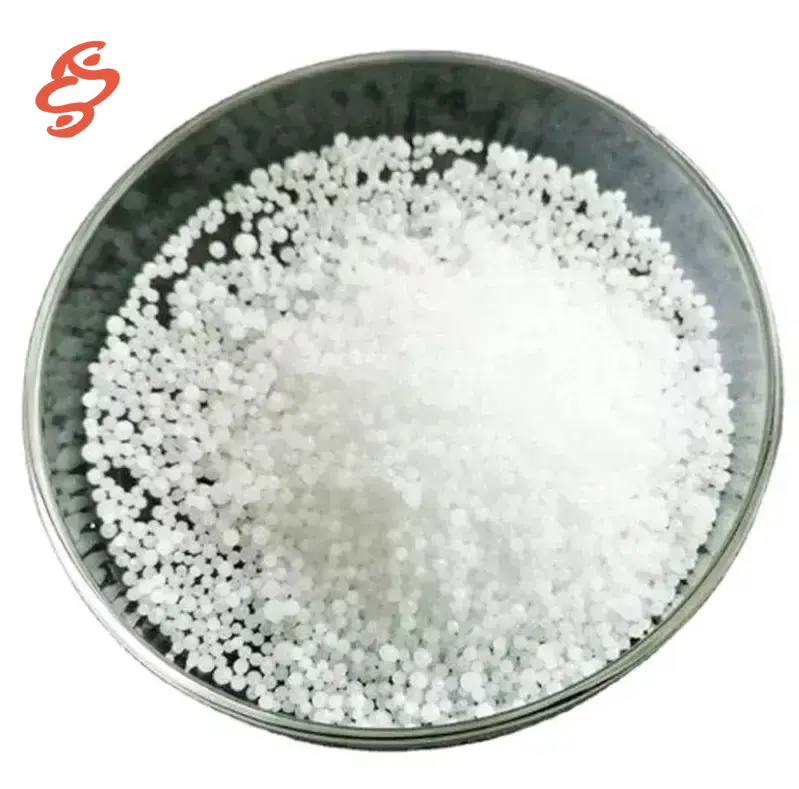
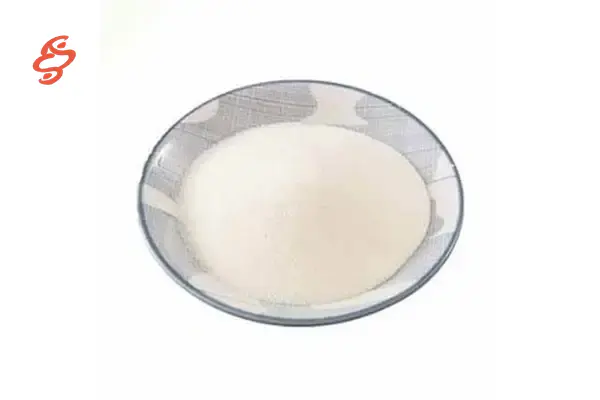
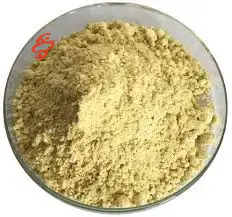
Sodium chlorite, with the chemical formula NaClO₂ and a molecular weight of 90.44, is a white crystalline powder or granules at room temperature. Industrial grade sodium chlorite is typically supplied with an 80% purity. In terms of solubility, sodium chlorite is readily soluble in water, and its aqueous solution is weakly alkaline. Industrially, sodium chlorite is mainly produced by the reaction of chlorine dioxide with hydrogen peroxide and sodium hydroxide. Sodium chlorite is a strong oxidizing agent, and its main application value lies in its ability to generate chlorine dioxide (ClO₂) after acidification, which possesses strong oxidizing and disinfecting capabilities. Compared to traditional chlorine disinfection, sodium chlorite does not produce harmful byproducts such as trihalomethanes (e.g., chloroform) after conversion to chlorine dioxide. These unique chemical properties give it wide application value in water treatment, disinfection, bleaching, and organic synthesis.
Sodium chlorite Product Applications CAS#7758-19-2
Sodium chlorite is an important oxidizing and disinfectant, widely used in water treatment, disinfection, bleaching, and organic synthesis.
In water treatment, sodium chlorite, after acidification, produces chlorine dioxide, used for disinfection in municipal water treatment plants and waterworks. Compared to traditional chlorine disinfection, chlorine dioxide disinfection does not produce harmful byproducts such as trihalomethanes. Sodium chlorite is approved for disinfection of water used for washing fruits, vegetables, and poultry under certain conditions.
In disinfection, acidified sodium chlorite solution (ASC) has highly effective detergency and can be used for hygienic treatment of hard surfaces that come into contact with food, as well as for washing or rinsing red meat, poultry, seafood, fruits, and vegetables. It can also be used for teat disinfection to control mastitis in dairy cows.
Product Information
Chemical Properties
Safety Information
Factory Showcase


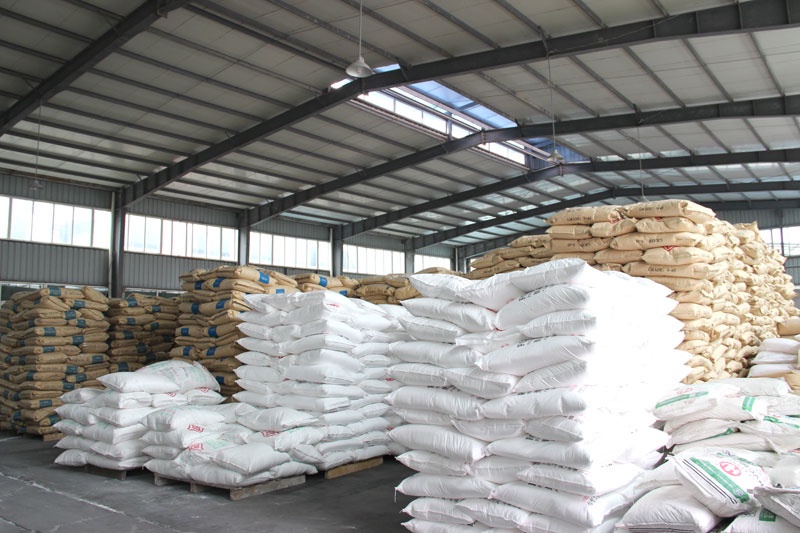
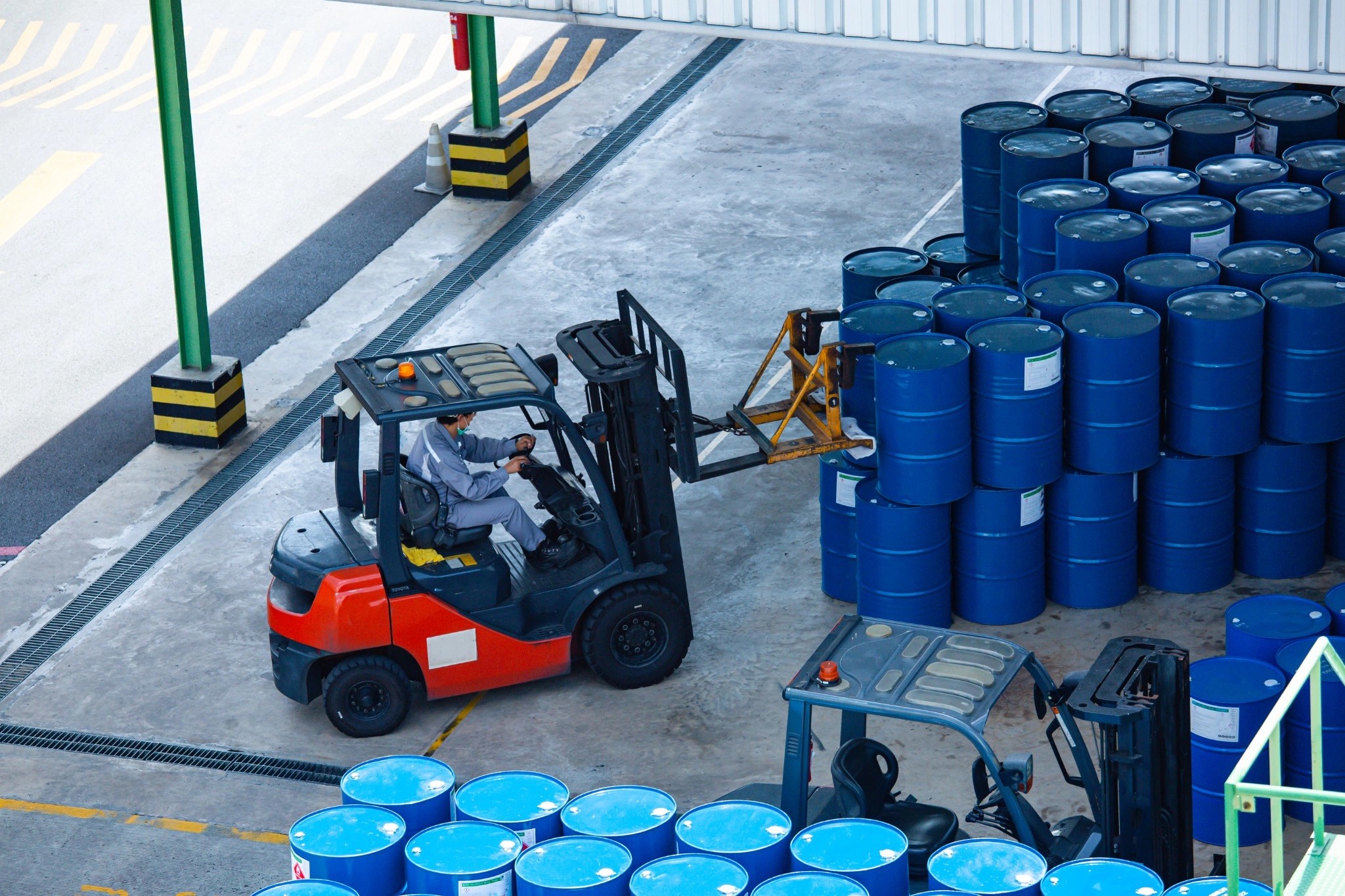
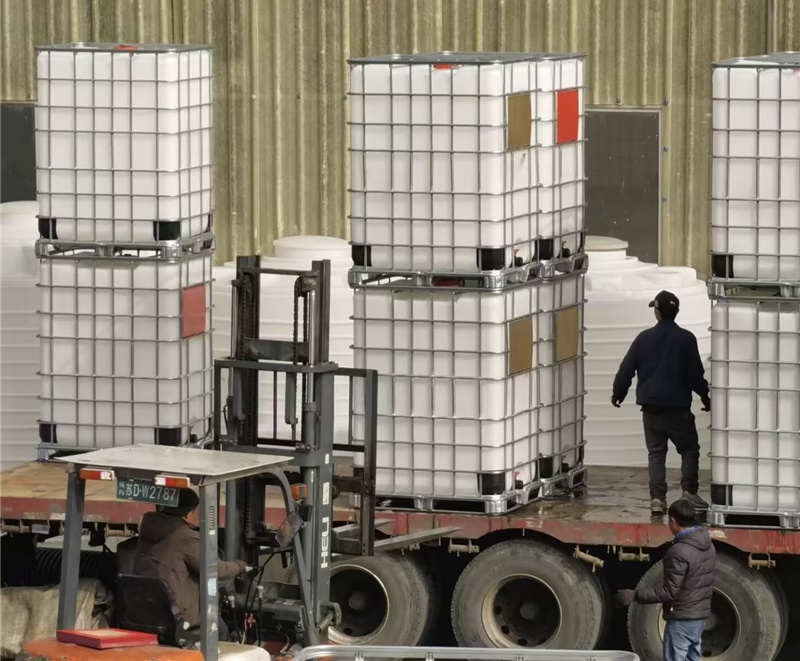
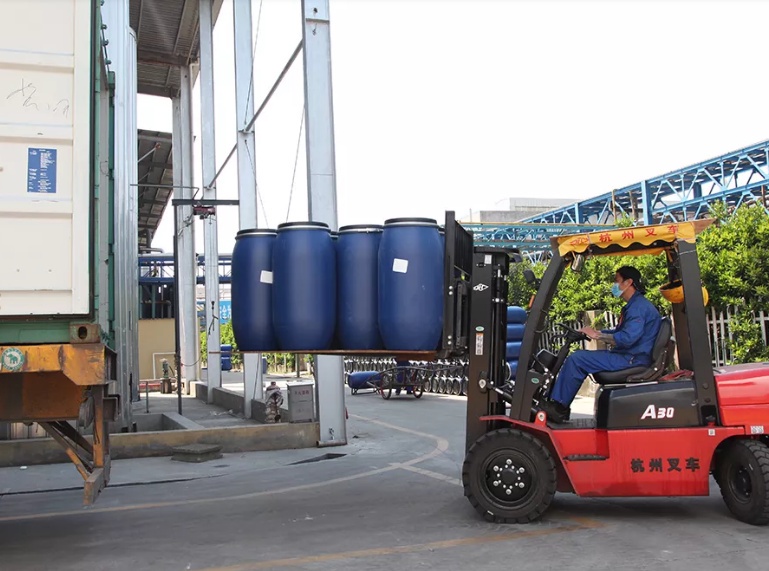
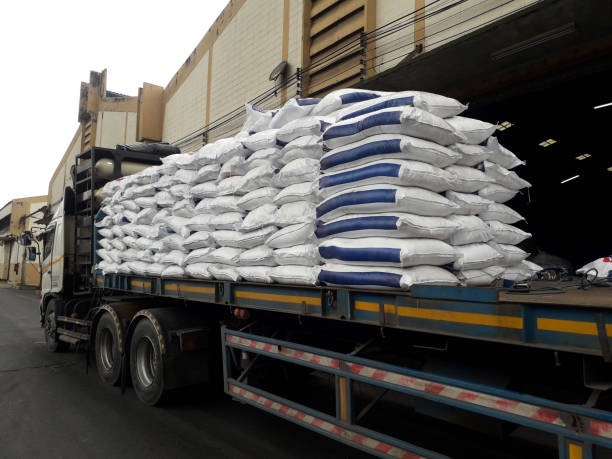
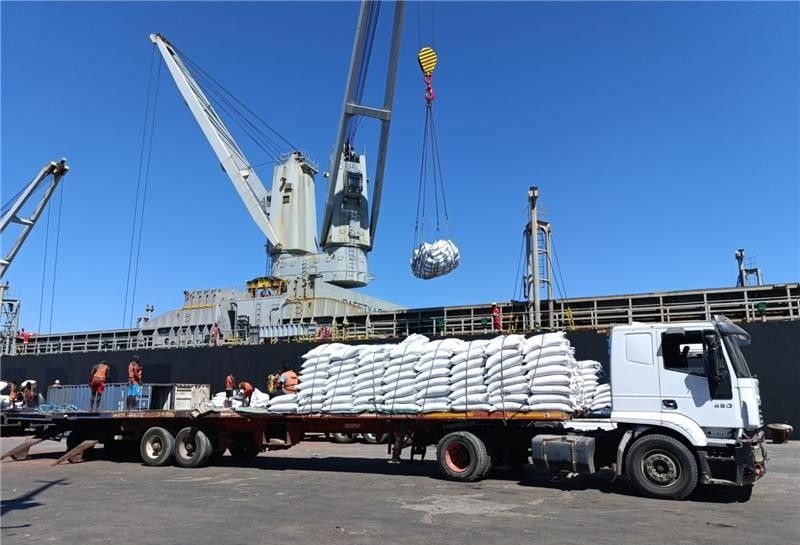
Loading and Transport



Product Inquiry
Product Information
Send Us Your Inquiry Today

Luxi Chemical is a professional chemical product supplier with ample stock of all chemical categories and excellent quality, welcome your purchase inquiry.